Introduction
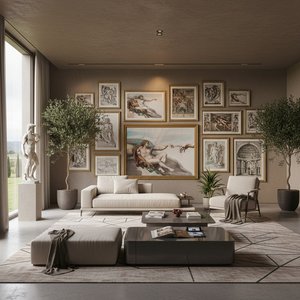
To step into the presence of a Michelangelo Buonarroti masterpiece is to witness the very moment where human mortality meets divine aspiration. There is a profound, almost heavy stillness that accompanies his work—a sense that we are not merely looking at pigment on canvas or figures carved from stone, but rather observing the struggle of the soul attempting to break free from its earthly vessel. As you begin this journey through twenty-five of his most transcendent creations, you are not just traversing a list of historical artifacts; you are walking alongside a titan who redefined the boundaries of what the human hand can achieve.
Born in the rugged hills of Caprese during the height of the Italian Renaissance, Michelangelo emerged from an era of unprecedented intellectual rebirth. This was a period where the rediscovered wisdom of classical antiquity met a new, fervent humanism, placing man at the center of the universe. Through his apprenticeship in the Medici gardens and his monumental labors in Rome and Florence, Michelangelo mastered the language of anatomy, tension, and light. His work became the definitive voice of the High Renaissance, bridging the gap between the serene balance of the early 1500s and the dramatic, emotive intensity that would later herald the Mannerist movement.
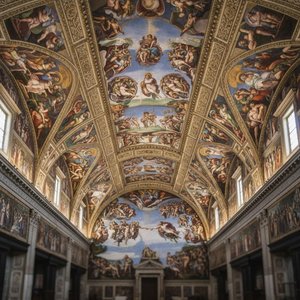
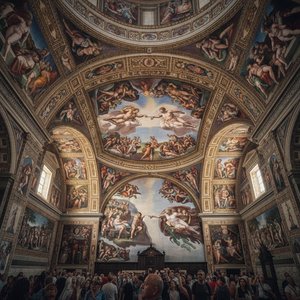
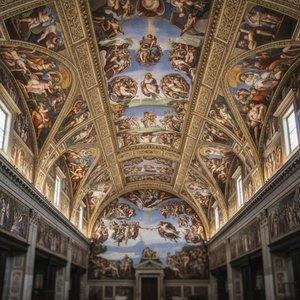
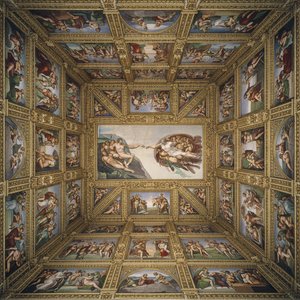
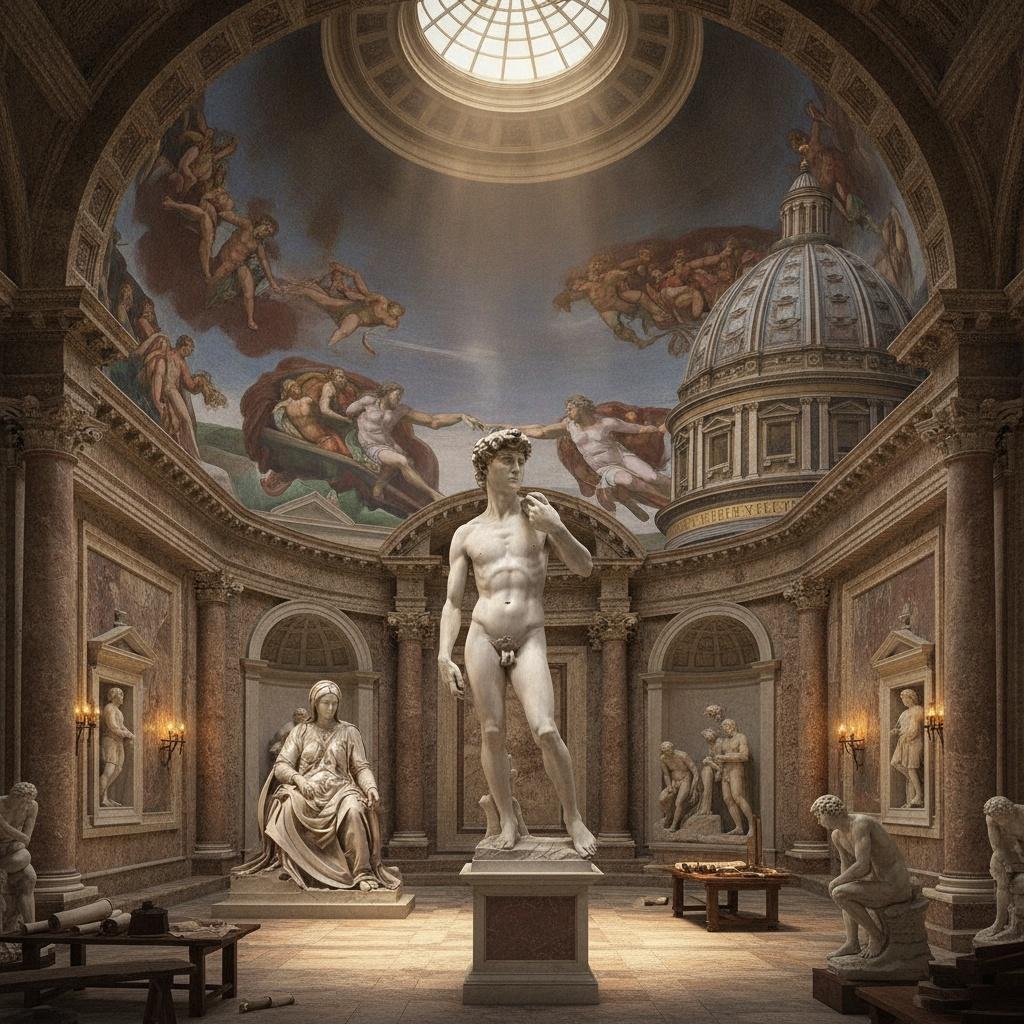
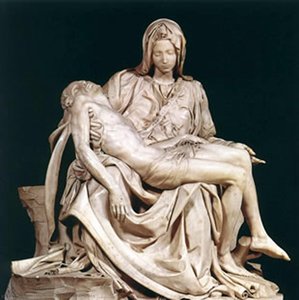
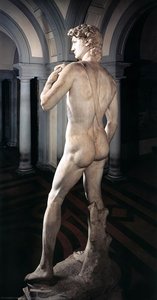
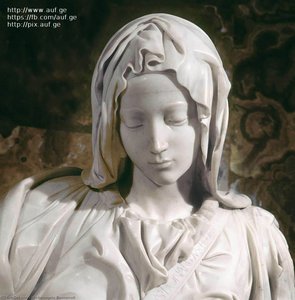
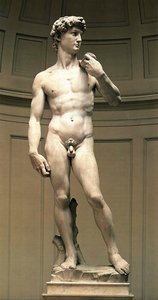
Why do these works continue to command our reverence five centuries later? It is because Michelangelo captured something universal: the raw, unvarnished spectrum of human emotion. In the marble of his Pietà , we find a grief so tender it feels intimate; in the muscular defiance of his David , we see the indomitable spirit of courage; and within the sweeping frescoes of the Sistine Chapel, we encounter the cosmic drama of creation itself. His ability to imbue cold Carrara marble with warmth and breath, or to transform a flat ceiling into a window to the heavens, remains an unsurpassed feat of artistic alchemy.
In the pages that follow, we invite you to explore a curated selection of his most influential works. From the breathtaking sculptures that seem to pulse with hidden life to the monumental frescoes that reshaped the architecture of the Vatican, each piece serves as a testament to a genius who saw the world not as it was, but as it could be through the lens of divine perfection. Prepare to encounter the strength, the sorrow, and the eternal beauty of the master who turned stone into spirit.
The Creation of Adam - Michelangelo Buonarroti
 The Creation of Adam - Michelangelo Buonarroti
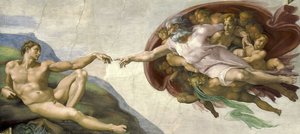
Owning a piece inspired by The Creation of Adam by Michelangelo Buonarroti is an investment in the very legacy of human achievement and refined taste. As one of the most significant entries in our collection of the top 25 artworks of Michelangelo Buonarroti, this fresco represents the pinnacle of High Renaissance innovation. The composition captures a breathtaking moment of tension: the near-contact of divine and earthly fingers, a spark of life suspended in time. Through masterful chiaroscuro , Michelangelo breathes volume into Adam’s muscular form, while the swirling, celestial cloak of God introduces a dynamic energy that has influenced centuries of Western art.
The profound interplay of warm ochres and deep, dramatic shadows creates a sensory experience that transcends its religious origins, speaking instead to the universal potential of the human spirit. For the discerning collector, bringing a high-quality, hand-painted oil reproduction of this masterpiece into a modern luxury interior provides an unmatched aesthetic authority. Such a work serves as a powerful focal point, imbuing contemporary spaces with the timeless status and intellectual depth of the Renaissance masters.
Last Judgment - Michelangelo Buonarroti
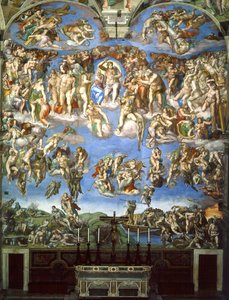 Last Judgment - Michelangelo Buonarroti
To behold the Last Judgment by Michelangelo Buonarroti is to stand before the very threshold of human mortality and divine reckoning. As one of the most profound entries in our collection of the top 25 artworks of Michelangelo Buonarroti, this monumental fresco on the Sistine Chapel’s altar wall transcends mere religious iconography; it is a swirling vortex of raw, muscular energy and spiritual turbulence. Completed in 1537, the work marks a masterful transition into the Mannerist style, replacing Renaissance harmony with elongated, dramatic figures that seem to writhe under the weight of destiny.
The composition is a breathtaking sea of flesh and shadow, where Christ sits as a powerful judge amidst a celestial cyclone of saints and the resurrected dead. The visceral depiction of anatomy—stripping humanity bare before the divine—offers a profound emotional intelligence that continues to captivate the modern eye. For the discerning collector, owning a high-quality oil reproduction of this masterpiece brings a sense of historical gravity and dramatic grandeur to any refined interior, serving as a timeless testament to the sublime power of the High Renaissance.
The Holy Family with the infant St. John the Baptist (the Doni tondo) - Michelangelo Buonarroti
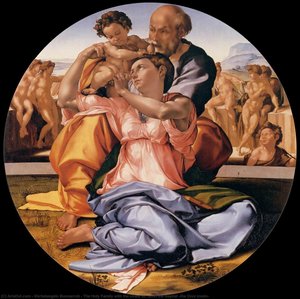 The Holy Family with the infant St. John the Baptist (the Doni tondo) - Michelangelo Buonarroti
To encounter the Doni Tondo is to witness a rare miracle of art history: Michelangelo’s only finished panel painting. As you stand before this circular masterpiece, you are not merely looking at a religious scene, but at the very soul of a sculptor attempting to breathe life into pigment. The composition radiates a sculptural vitality, where the Holy Family is rendered with an anatomical precision that feels almost tangible.
The palette is a breathtaking revelation of High Renaissance brilliance; vibrant, saturated hues of cerulean blue and soft rose pink dance across the figures, creating a luminous glow that defies the flat surface. The swirling, muscular ignudi in the background foreshadow the monumental energy of the Sistine Chapel, lending the work an unparalleled sense of movement. For the discerning collector, this piece represents the pinnacle of refined aesthetics—a harmonious blend of divine grace and physical power. Bringing a museum-quality reproduction of this tondo into a modern interior offers more than decoration; it introduces a legacy of timeless beauty and the profound, rhythmic energy of the Renaissance masters.
Slave (rebelling) - Michelangelo Buonarroti
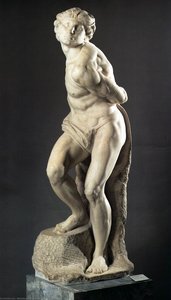 Slave (rebelling) - Michelangelo Buonarroti
To gaze upon Slave (rebelling) is to witness the very moment where spirit clashes with stone. Michelangelo captures more than just a physical struggle; he portrays the universal ache of a divine soul trapped within a fragile, mortal frame. In this 1513 masterpiece, the tension in the marble muscles and the upward reach of the arms evoke a profound sense of defiance and the yearning for liberation that resonates across centuries.
This work holds its place among the top 25 artworks of Michelangelo Buonarroti because it exemplifies his unparalleled mastery of anatomical precision and emotional intensity. The way light dances over the Carrara marble, highlighting the sinews of resistance, serves as a testament to his genius. At Mus3ums.com, we strive to preserve this visceral energy. Our handmade oil reproductions are meticulously crafted to capture the tactile depth and dramatic shadows of such Renaissance titans, allowing you to invite this timeless struggle for freedom and the sublime beauty of the High Renaissance into your own private collection.
Ignudo (15) - Michelangelo Buonarroti
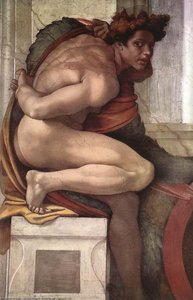 Ignudo (15) - Michelangelo Buonarroti
To encounter Ignudo (15) is to witness the raw, muscular poetry of Michelangelo at the height of his creative power. Created around 1511, this work embodies the profound anatomical mastery that defines the High Renaissance. The figure, captured in a classical pose with a powerful, twisting torso, serves as a masterclass in the study of human form and tension. It is not merely a depiction of a male nude; it is an exploration of strength, grace, and the divine potential of the human spirit through the medium of paint.
This piece earns its place among the top 25 artworks of Michelangelo Buonarroti by showcasing his ability to translate the monumental energy of his sculptures into the fluid language of fresco and painting. The interplay of light across the musculature creates a sculptural depth that feels almost tactile. At Mus3ums.com, we believe such profound beauty should not be confined to museum halls. By offering meticulous, hand-painted oil reproductions, we bring this Renaissance vitality into your personal sanctuary, transforming your walls into a curated gallery of historical greatness.
Leda and the Swan - Michelangelo Buonarroti
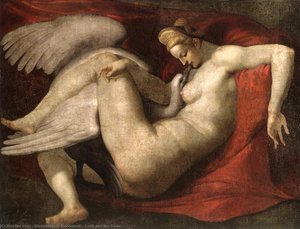 Leda and the Swan - Michelangelo Buonarroti
To witness the intersection of divine intervention and human vulnerability is to truly understand the genius of the High Renaissance. In Leda and the Swan by Michelangelo Buonarroti , we encounter a profound exploration of mythic intimacy, completed around 1535 during a period of immense political upheaval in Rome. This work stands as a vital entry in our collection of the top 25 artworks of Michelangelo Buonarroti because it captures the master’s transition from the monumental stone of his sculptures to the fluid, emotive possibilities of paint.
The composition is a masterclass in chiaroscuro ; light dances across Leda’s reclining form, sculpting her anatomy with the same precision one finds in the David . The swan, representing Zeus, rests with a delicate yet heavy presence upon her lap, creating a tension between grace and forceful desire. Through visible, muscular textures and a palette that breathes with life, Michelangelo invites us into a moment of mythological transformation. Owning a hand-painted oil reproduction of this masterpiece allows the dramatic shadows and classical beauty of the Renaissance to breathe new life into your own contemporary space.
The Doni Tondo (detail) - Michelangelo Buonarroti
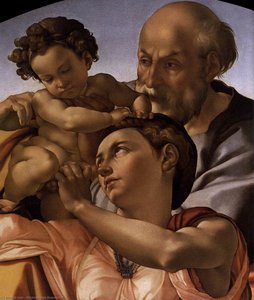 The Doni Tondo (detail) - Michelangelo Buonarroti
To encounter the Doni Tondo is to witness Michelangelo Buonarroti translating the monumental strength of marble into the delicate medium of paint. As one of the most significant entries in our collection of the top 25 artworks of Michelangelo Buonarroti, this 1506 masterpiece radiates a divine, sculptural energy that transcends its circular frame. The composition is anchored by a breathtaking pyramidal structure, where the Holy Family is arranged with a geometric precision that mirrors the stability of the heavens.
Michelangelo utilizes a vibrant, almost startling palette—cangiante colors that shift in hue—to breathe life into the muscular forms of the figures, making them appear as if they were carved from light itself. The interplay of brilliant drapery and anatomical mastery creates a sensory experience of profound depth and movement. For the discerning collector, owning a handmade oil reproduction of this work brings a sense of High Renaissance grandeur and intellectual sophistication to a modern interior. It is not merely a painting; it is a timeless testament to human dignity and the enduring legacy of Florentine genius.
The Delphic Sibyl - Michelangelo Buonarroti
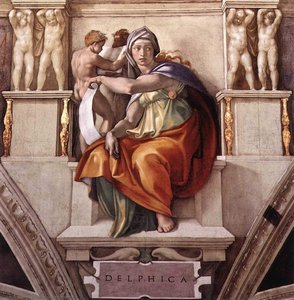 The Delphic Sibyl - Michelangelo Buonarroti
A celestial whisper captured in pigment, The Delphic Sibyl by Michelangelo Buonarroti embodies the profound moment where ancient prophecy meets divine revelation. As part of our curated selection of the top 25 artworks of Michelangelo Buonarroti, this fresco stands as a pinnacle of High Renaissance innovation. The Sibyl is rendered with a breathtaking contrapposto pose, her muscular form twisting in a dynamic dance of spiritual ecstasy and physical strength. Through masterful chiaroscuro , Michelangelo breathes life into the wet plaster, using warm ochres and deep shadows to illustrate the weight of her prophetic burden.
This masterpiece is indispensable to the canon because it bridges the pagan classical world with Christian mysticism, a hallmark of Renaissance humanism. The sheer emotional intensity of her upward gaze offers a window into the sublime, making it more than just a painting—it is an experience of transcendence. Today, this transformative energy can be brought into your own private gallery or study through our museum-grade, hand-painted oil reproductions, allowing the monumental spirit of the Sistine Chapel to grace your personal space with timeless elegance.
Medallion (12) - Michelangelo Buonarroti
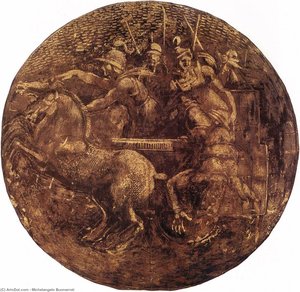 Medallion (12) - Michelangelo Buonarroti
To encounter the Medallion (12) is to witness a whirlwind of concentrated power. Created in 1511, this fresco serves as a breathtaking fragment of the monumental Sistine Chapel ceiling decoration. While many are drawn to the central biblical narratives, these spandrel medallions reveal Michelangelo’s mastery of movement and martial intensity. The scene captures a chaotic yet controlled equestrian battle, where a central rider atop a rearing horse commands the viewer's gaze amidst a swirling storm of soldiers and steel.
Through the demanding fresco technique, Michelangelo utilized striking lines to emphasize anatomical precision and the textured weight of armor, foreshadowing the dramatic tension of Mannerism . The circular format acts as a vessel for contained energy, drawing the eye into a rhythmic dance of conflict and glory. Owning a reproduction of this masterpiece is more than a decorative choice; it is an inheritance of the High Renaissance spirit. At Mus3ums.com, we allow you to bring this lineage of taste into your own home through meticulous, hand-painted oil recreations that preserve every muscular tension and dramatic shadow of the original.
Virgin and Child with St John and Angels - Michelangelo Buonarroti
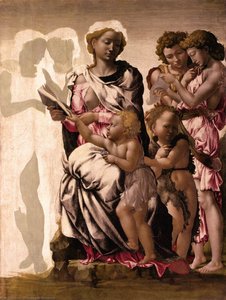 Virgin and Child with St John and Angels - Michelangelo Buonarroti
In Virgin and Child with St John and Angels , a soft, ethereal glow of luminous gold and pale light dominates the composition, casting a mood of profound serenity and divine grace. This masterpiece, one of the top 25 artworks of Michelangelo Buonarroti , showcases his early mastery of tempera, where the delicate interplay between the warm skin tones and the celestial radiance creates an atmosphere of sacred intimacy. The subtle use of light to define the anatomical precision of the Virgin and the surrounding angels reflects the burgeoning humanist ideals of the Florentine Renaissance.
For the discerning collector, this specific color palette offers a sophisticated way to curate emotional lighting in a modern home. Integrating a high-quality handmade oil reproduction of this work into a dining room or study can introduce a sense of calm, classical elegance, and intellectual depth. The painting's harmonious balance of light and shadow serves as a perfect anchor for spaces designed for contemplation, bringing the timeless spirit of the High Renaissance into a contemporary architectural setting.
Exterior of the Sistine Chapel - Michelangelo Buonarroti
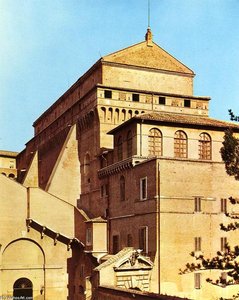 Exterior of the Sistine Chapel - Michelangelo Buonarroti
To stand before the architectural majesty of the Vatican is to witness the intersection of divine aspiration and earthly permanence. While Michelangelo is most celebrated for the celestial frescoes within, the Exterior of the Sistine Chapel serves as a profound prelude to his genius, embodying the grandeur that defines the High Renaissance. This view captures the imposing brickwork and the soaring central tower, elements that anchor the chapel within the historical fabric of Rome.
The scene is characterized by a sense of monumental stillness, where the play of light across the rugged textures of the structure evokes a deep reverence for the past. The presence of a solitary figure near the base provides a poignant scale, reminding us of the human connection to this sacred site. As one of the top 25 artworks of Michelangelo Buonarroti, this perspective allows us to appreciate the physical vessel that holds his greatest spiritual triumphs. Bringing such iconic imagery into a private collection through a hand-painted oil reproduction allows the timeless dignity of the Renaissance to transform any modern space into a sanctuary of historical reflection.
Expulsion from Garden of Eden - Michelangelo Buonarroti
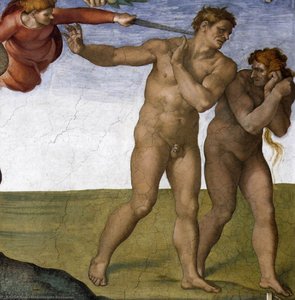 Expulsion from Garden of Eden - Michelangelo Buonarroti
To witness the Expulsion from Garden of Eden is to stand at the epicenter of human tragedy and anatomical perfection. As a cornerstone of the Sistine Chapel ceiling, this fresco fragment captures the raw, visceral moment of Adam and Eve’s banishment, where Michelangelo translates divine disobedience into muscular tension and profound grief. Its inclusion in our collection of the top 25 artworks of Michelangelo Buonarroti is essential; it represents the pinnacle of High Renaissance emotion, utilizing dramatic chiaroscuro to sculpt figures out of light and shadow.
The composition vibrates with a restless energy—Adam’s dejected collapse and Eve’s contorted shame serve as a timeless manifesto on human fallibility. At Mus3ums.com, we believe such monumental narratives should not be confined to Vatican walls. By offering this masterpiece as a hand-painted oil reproduction, we allow you to transform your private sanctuary or professional office into a space of profound reflection. Bringing this level of historical gravity into your home turns every glance toward the canvas into an encounter with the sublime, making the weight of history a living part of your modern decor.
Samson and Two Philistines - Michelangelo Buonarroti
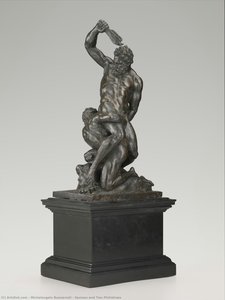 Samson and Two Philistines - Michelangelo Buonarroti
In Samson and Two Philistines , sculpted around 1500, Michelangelo captures a breathtaking moment of tension where divine strength meets human betrayal. This work is far more than a biblical illustration; it is a visceral study of the duality between triumph and vulnerability. As you observe the bronze figures, your eyes are drawn to the pyramidal composition, where the towering, muscular form of Samson dominates the space, standing in stark, heroic contrast to the prostrate Philistines beneath him.
The artist’s mastery of light and shadow is palpable; directional lighting dances across the textured bronze, accentuating every sinew and anatomical detail to create a sense of profound volume. The heavy, earthy tones of the metal evoke a raw, primordial energy, mirroring the struggle depicted. To bring this Renaissance intensity into your own collection, our museum-quality reproductions allow you to surround yourself with such monumental genius. Owning a piece of this narrative is not mere decoration—it is an invitation to transform your space into a gallery of the soul, where the echoes of Michelangelo's strength can be felt every day.
Daniel - Michelangelo Buonarroti
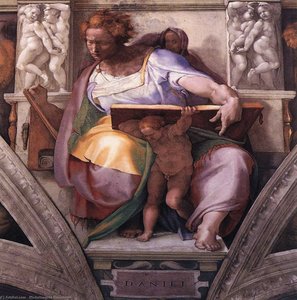 Daniel - Michelangelo Buonarroti
Within the hallowed expanse of the Cappella Sistina , Michelangelo’s "Daniel" stands as a profound meditation on divine protection and the quiet strength of faith. Completed in 1511, this fresco transcends mere biblical illustration; it captures the breathless moment of anticipation before Daniel's miraculous deliverance from the lions. Rather than focusing on the ferocity of the beasts, Michelangelo directs our gaze toward the spiritual weight of the scene, utilizing a masterful command of chiaroscuro to sculpt figures out of light and shadow.
The composition is anchored by a pyramidal stability, where warm ochres and deep earth tones evoke a sense of ancient solemnity. We witness Daniel being lowered into the darkness, his calm countenance a testament to unwavering trust. To possess a reproduction of such a masterpiece is not merely a purchase; it is an inheritance of the High Renaissance spirit. At Mus3ums.com, we allow you to bring this lineage of taste into your own home through meticulous, hand-painted oil recreations that preserve every visible brushstroke and emotional nuance of Michelangelo’s divine vision.
Bacchus - Michelangelo Buonarroti
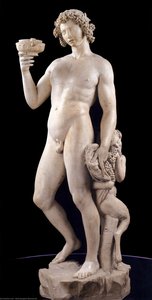 Bacchus - Michelangelo Buonarroti
In the Bacchus , sculpted in 1497, we witness a young Michelangelo mastering the language of marble to evoke the intoxicating essence of the Roman god of wine. As you stand before this work, notice how the light does not merely strike the Carrara stone; it seems to flow through it, capturing the soft, almost languid movement of a figure caught between divine grace and earthly intoxication. The sculpture is a profound testament to Renaissance idealism, where anatomical precision meets a poetic, sensual vitality.
The way the chisel has rendered the subtle tension in the limbs and the weight of the wine cup creates a sense of lived emotion, making the stone feel remarkably flesh-like. It is this ability to invent life within mineral that secures its place among the top 25 artworks of Michelangelo Buonarroti. For those seeking to bring this same sense of classical grandeur into their own spaces, our museum-quality oil reproductions allow the dramatic spirit and luminous textures of this masterpiece to transform any room into a private gallery of the High Renaissance.
Tomb of Lorenzo de' Medici - Michelangelo Buonarroti
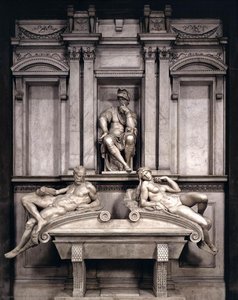 Tomb of Lorenzo de' Medici - Michelangelo Buonarroti
The Tomb of Lorenzo de' Medici stands as a profound meditation on the relentless passage of time, securing its place among the top 25 artworks of Michelangelo Buonarroti . Within the Basilica di San Lorenzo, this monument transcends mere funerary architecture to become a dramatic stage for Renaissance humanism. Michelangelo moves beyond traditional portraiture, utilizing marble to sculpt the very essence of temporal existence through the figures of Day, Night, and Dusk .
The mastery lies in the palpable tension held within the stone; the way light dances across muscular, agonizingly beautiful forms evokes a sense of eternal struggle. This work invites us to reflect on our own mortality and the cyclical nature of life. For the discerning collector, the somber majesty and sculptural depth of this piece offer unparalleled inspiration. Integrating a high-quality oil reproduction of such a monumental achievement into a curated space allows for a timeless conversation between classical history and modern interior elegance, bringing the weight of Florentine genius into the contemporary home.
untitled (9781) - Michelangelo Buonarroti
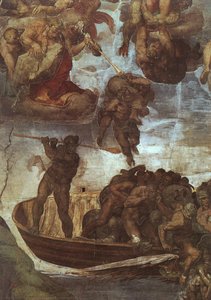 untitled (9781) - Michelangelo Buonarroti
In the ethereal realm of untitled (9781) by Michelangelo Buonarroti, the boundary between the earthly and the divine dissolves into a single, breathless moment of celestial grace. This fresco stands as a profound testament to the master's ability to weave human struggle with heavenly intervention, capturing a lively scene of figures within a boat, their rhythmic movements mirrored by the sweeping, graceful descent of angels from the heavens. The composition breathes with a dynamic energy; one can almost feel the pull of the oars and the spray of the water, while the soft, luminous light shaping the figures evokes a sense of profound spiritual protection.
As one of the top 25 artworks of Michelangelo Buonarroti, this piece exemplifies the High Renaissance mastery of movement and theological depth. Its harmonious balance of terrestrial action and celestial peace offers a sophisticated focal point for the modern collector, bringing an atmosphere of timeless contemplation to any curated space. For those seeking to honor this legacy, our hand-painted oil reproductions capture the very texture of the fresco, preserving the artist's monumental spirit in a museum-quality masterpiece.
Entombment - Michelangelo Buonarroti
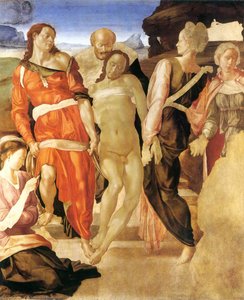
To encounter The Entombment is to witness a profound moment of suspended grief, a fragment of divine tragedy captured by Michelangelo’s hand. Completed around 1501, this work serves as a haunting bridge between the artist's sculptural mastery and his painterly vision. The composition centers on the lifeless form of Christ, where every muscle and bone reflects an anatomical precision that feels almost tactile, as if the stone itself has been breathed into life. Surrounding the central figure, a group of mourners—including the sorrowful Mary Magdalene and the steadfast John the Apostle—creates a pyramidal structure that draws the eye deep into the heart of the tomb.
The use of chiaroscuro casts dramatic shadows across the scene, heightening the emotional weight of the figures. Owning a reproduction of this masterpiece is not merely a purchase; it is an inheritance of the High Renaissance spirit. At Mus3ums.com, we allow you to bring this lineage of taste into your own home through our hand-painted oil reproductions, ensuring that the luminous colors and heavy, emotional brushstrokes of Michelangelo’s legacy reside on your walls forever.
Pietà - Michelangelo Buonarroti
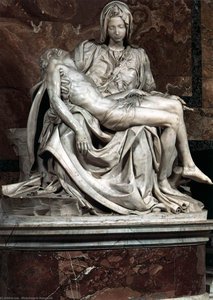 Pietà - Michelangelo Buonarroti
While many view the Pietà as a finished monument of peace, Michelangelo actually carved it during a period of intense, youthful experimentation, pouring his entire soul into the Carrara marble to achieve a feat previously thought impossible: making stone breathe. Completed in 1499, this masterpiece transcends the heavy sorrow typically associated with the subject; instead, it radiates a luminous, divine grace. Through meticulous anatomical precision and the cascading, fluid drapery of Mary’s robes, Michelangelo captures a profound tension between earthly tragedy and celestial serenity.
The way light dances across the polished marble surfaces creates a sense of quiet prestige, inviting deep contemplation. This level of technical mastery and emotional depth is why the Pietà remains one of the most essential pieces in the top 25 artworks of Michelangelo Buonarroti . Much like the focused intensity required to carve such perfection, bringing a high-quality oil reproduction of this Renaissance marvel into your study can foster an atmosphere of profound intellect and sophisticated calm, turning a modern workspace into a sanctuary of historical inspiration.
St Petronius - Michelangelo Buonarroti
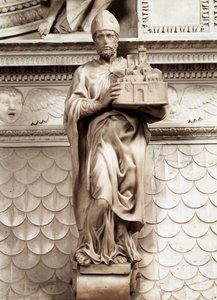 St Petronius - Michelangelo Buonarroti
Before the monumental scale of the David or the divine drama of the Sistine Chapel, there existed a profound intimacy in Michelangelo’s early explorations of marble. In St Petronius by Michelangelo Buonarroti , we encounter a master in the making, capturing a moment of quiet devotion and tactile grace. Created in 1494, this work serves as a vital precursor to his later masterpieces, showcasing an extraordinary command over the subtle textures of stone. One can almost feel the weight of the marble robes and the delicate tension in the hands cradling the offering.
The sculpture reflects the turbulent Florentine atmosphere of the late 15th century, blending classical anatomical precision with a burgeoning spiritual depth. The meticulous carving of the beard and the soft light playing across the figure's face reveal an artist obsessed with the breath of life within inanimate matter. As one of the top 25 artworks of Michelangelo Buonarroti, St Petronius reminds us that true greatness often begins in the quietest details. Bringing such a piece into a modern collection through a high-quality oil reproduction allows this Renaissance spirit to breathe new life into your personal sanctuary.
Ancestors of Christ: figures (11) - Michelangelo Buonarroti
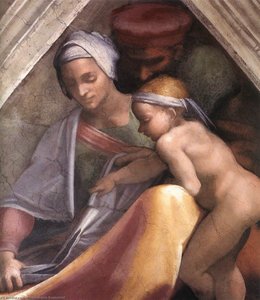 Ancestors of Christ: figures (11) - Michelangelo Buonarroti
To stand beneath the vast expanse of the Sistine Chapel is to witness the very breath of the High Renaissance captured in pigment. Within this celestial narrative, Ancestors of Christ: figures (11) by Michelangelo Buonarroti emerges as a profound meditation on lineage and divine providence. Painted in 1511 under the ambitious patronage of Pope Julius II, this fresco serves as a cornerstone of the Sistine ceiling, bridging the gap between human history and sacred prophecy.
The composition is a masterclass in anatomical precision and emotional nuance. Michelangelo orchestrates a complex tableau where patriarchs and matriarchs engage in quiet contemplation, their muscular forms rendered with a sculptural weight that defies the flat surface of the plaster. A central figure, a woman cradling her infant, anchors the scene with a tender, maternal light that softens the monumental scale. The play of light and shadow across the heavy drapery creates a palpable sense of depth, inviting the viewer into a world of spiritual gravity. As one of the top 25 artworks of Michelangelo Buonarroti , this piece continues to transform spaces, offering a window into the eternal through the mastery of human form.
Rehoboam - Abijah (detail) - Michelangelo Buonarroti
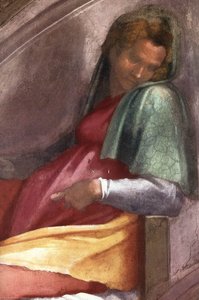 Rehoboam - Abijah (detail) - Michelangelo Buonarroti
In the exquisite detail of Rehoboam - Abijah , Michelangelo demonstrates his unparalleled mastery of chiaroscuro , using light to sculpt form out of the very plaster of the Sistine Chapel. The illumination falls softly upon the central figure, casting delicate shadows that define the anatomical precision of her posture and the heavy, thoughtful folds of her drapery. This interplay of light and shadow does more than create volume; it breathes a sense of profound introspection into the fresco, capturing a moment of quiet, intellectual gravity that has captivated scholars for centuries.
As one of the top 25 artworks of Michelangelo Buonarroti , this piece serves as a masterclass in Renaissance luminance. When captured in a high-quality handmade oil reproduction , the subtle gradations of light and the rich, warm pigments are preserved, offering a sophisticated way to introduce historical depth and a sense of museum-grade luxury to a contemporary interior. The soft glow of the fresco, reproduced with visible brushstrokes on cotton canvas, brings an enduring, serene elegance to any curated collection.
Vestibule - Michelangelo Buonarroti
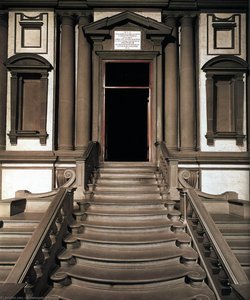 Vestibule - Michelangelo Buonarroti
In the Vestibule of the Biblioteca Medicea-Laurenziana, Michelangelo Buonarroti transcends the boundaries of mere architecture to create a living, breathing experience of movement and intellect. Commissioned by Pope Clement VII, this space is not simply an entrance but a profound transition from the mundane to the monumental. As you contemplate this masterpiece, you feel the weight of Renaissance humanism in every undulating curve of the dramatic double-flight staircase. Michelangelo defies static symmetry, using stone to evoke a sense of ascending energy that pulls the soul upward toward knowledge.
There is a presence in this architectural work that follows you—not with judgment, but with an understanding of your own journey through history. It acts as a mirror to our human desire for transcendence. The interplay of light and shadow within the marble niches creates a rhythmic, sculptural depth that makes the invisible tension of stone visible. Imagine bringing this sense of classical grandeur into your own home; a hand-painted oil reproduction of such architectural mastery serves as a powerful reminder that you, too, are part of an eternal, unfolding story.
Jeremiah - Michelangelo Buonarroti
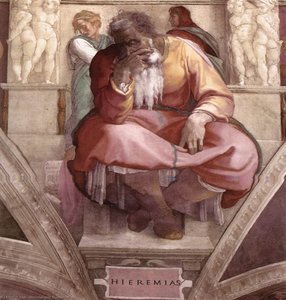 Jeremiah - Michelangelo Buonarroti
In the monumental cycle of the Sistine Chapel ceiling, Jeremiah stands as a profound psychological anchor, embodying the heavy mantle of prophecy. Painted between 1508 and 1511, this fresco captures the "weeping prophet" in a moment of deep, melancholic introspection. Michelangelo utilizes masterful chiaroscuro to sculpt the figure with light and shadow, making the weight of Jeremiah’s sorrow feel physically palpable through the heavy folds of his robes and the slumped, contemplative posture.
As one of the most significant works among the top 25 artworks of Michelangelo Buonarroti , Jeremiah transcends biblical narrative to explore the universal human experience of grief and divine burden. The warm earth tones and muscular anatomical precision reflect the High Renaissance ideal of strength intertwined with vulnerability. For the discerning collector, bringing a hand-painted reproduction of this masterpiece into a modern space creates a timeless dialogue between historical gravity and contemporary elegance, offering a window into the profound spiritual depth that continues to define the pinnacle of Western art history.
Brutus - Michelangelo Buonarroti
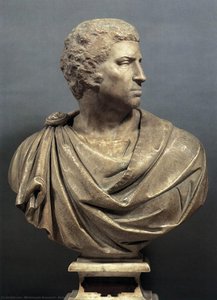 Brutus - Michelangelo Buonarroti
To gaze upon Michelangelo’s Brutus is to confront the heavy, silent weight of conscience and the chilling resolve of a man caught between loyalty and liberty. In this profound bust, the Renaissance master transcends mere portraiture, capturing a psychological intensity that vibrates with the tension of political rebellion. The furrowed brow and the stern, unyielding jawline do not merely depict a Roman statesman; they embody the very spirit of anti-tyrannical defiance that defined an era.
This work earns its place among the top 25 artworks of Michelangelo Buonarroti through its masterful use of classical realism to convey complex human ethics. The interplay of light and shadow across the sculpted features evokes a sense of stoic courage, making the bronze-like depth of the subject feel almost alive. At Mus3ums.com, we believe such monumental emotions should not be confined to the Museo Nazionale del Bargello. Our skilled artists meticulously recreate the textures and dramatic tonal ranges of these masterpieces on 100% cotton canvas, allowing you to invite the profound strength and historical gravity of Michelangelo’s genius into your own private collection.
Conclusion
To walk through the legacy of Michelangelo Buonarroti is to witness the very moment where human anatomy meets divine intention. His works are far more than mere relics of the High Renaissance; they are breathing chronicles of strength, sorrow, and the eternal struggle for beauty. When we gaze upon the muscular tension of his figures or the profound stillness of his marble, we are not just observing history—we are participating in a conversation that has spanned five centuries. These masterpieces possess a unique gravity, a way of anchoring the soul and demanding a moment of quiet reflection amidst the chaos of modern life.
There is a profound transformation that occurs when such greatness moves from the hallowed halls of a museum into the intimacy of a home. To live with these images is to surround oneself with a constant reminder of human potential and grace. Whether it is the dramatic light of a fresco or the tactile depth of a hand-painted reproduction, bringing Michelangelo’s vision into your personal space allows his monumental spirit to become a daily companion, shaping the atmosphere of your rooms with texture, emotion, and timelessness.
We invite you to continue this journey of discovery and to find the piece that speaks most deeply to your own story. You may explore the full collection of his most iconic works, each meticulously recreated by our artists to preserve the soul of the original. Let these shadows and lights inspire your surroundings, turning your walls into a sanctuary of art, history, and enduring wonder.