


The Architecture of Light and Glass
Located in Lens, France, the Louvre-Lens occupies a landscape shaped by the history of coal mining. The structure itself is a modern composition of steel and glass, rising from a twenty-hectare park. It does not attempt to mimic the heavy stone traditions of the past. Instead, the building utilizes transparency to integrate the surrounding greenery into the experience of the interior. The design by SANAA creates a sense of openness, where the light shifts across the surfaces of the works on display.
The site sits near the former ninth pit of the Lens mining area. This connection to the industrial history of the Nord-Pas-de-Calais provides a quiet, contemplative backdrop to the art. The museum functions as a decentralized branch of the Louvre, bringing pieces from the Paris collections to this northern region. It offers a different way to encounter history, moving away from the crowded halls of the capital toward a more manageable, intimate encounter with the past.
The Galerie du Temps
The Galerie du Temps is a 3,000-square-meter space containing 205 works from the Paris collections. These pieces are arranged in a chronological panorama, moving from Antiquity through the Middle Ages to the year 1848. The layout avoids permanent structural walls, using temporary partitions and display units to hold the objects. This arrangement allows different media and eras to be viewed together, without the constraints of fixed architecture. As a decentralized branch of the Paris Louvre, the museum uses this gallery to present a panorama of different techniques and civilizations.
The collection includes these works:
- Joanna of Aragon, 1518 by Raphael
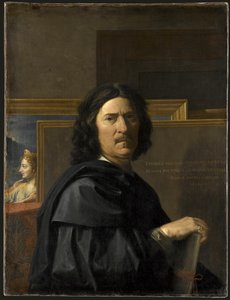
- The Baby Moses Saved from the River by Nicolas Poussin
- Ferdinand Philippe, Louis Charles Henri by Jean-Auguste-Dominique Ingres
- Festive Family Meal, 1674 by Jan Steen
- Madonna and Child by Deodato Orlandi
- The Rest During the Flight into Egypt, 1673 by Pierre Patel
- Jean Francois Champollion by Léon Cogniet
A Quiet Encounter with History
The experience of the museum is defined by a lack of rigid paths. One is free to wander through the chronological panorama, encountering the works as they appear in the light. The scenography avoids the heavy, overwhelming atmosphere often found in larger institutions. Instead, the focus remains on the objects themselves. The presence of the art is felt through the careful selection of pieces that have traveled from the central collections to this satellite location. It is a place of stillness, where the weight of the mining history meets the lightness of the glass pavilion.