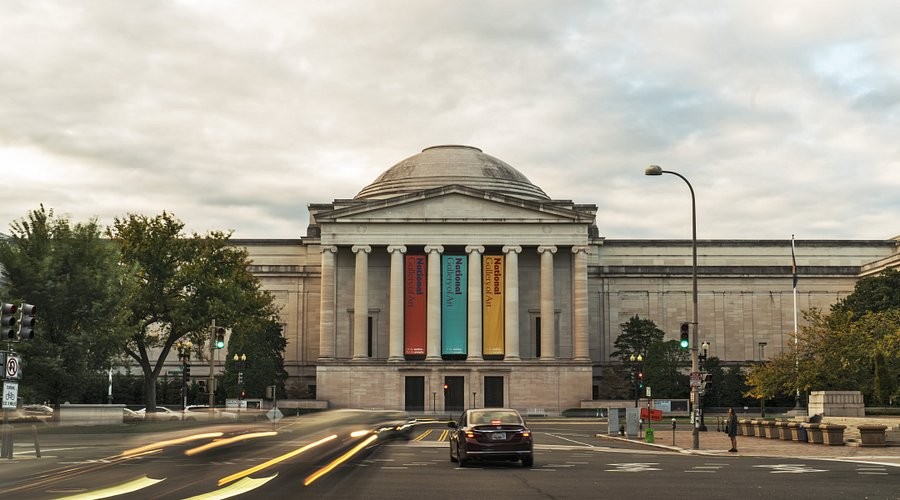
A Sanctuary of Vision: Exploring the National Gallery
Nestled within the heart of Washington, D.C., the National Gallery stands as more than just a repository of artistic treasures; it’s a testament to American ambition and a profound commitment to democratizing access to beauty. Founded in 1937 through the extraordinary generosity of Congress and Andrew W. Mellon, this institution began with a bold vision: to establish a national art museum rivaling the great European collections while remaining open to all. From its initial collection centered around Mellon’s personal holdings – a dazzling array of Italian Renaissance masterpieces, including works by Raphael and Leonardo da Vinci – it rapidly blossomed into a sprawling narrative fueled by philanthropic contributions from families like the Kress and Widener, each adding invaluable pieces that shaped the gallery's identity. Today, stepping through its hallowed halls is akin to embarking on an epic journey through time, traversing epochs from the ethereal beauty of medieval religious scenes depicting serene visions of saints and angels to the daring experimentation of modern masters pushing the boundaries of form and color – all within a space designed to inspire awe and contemplation. The gallery’s architecture itself—a harmonious blend of neoclassical grandeur and modernist innovation—mirrors this journey, inviting visitors to reflect on the evolution of artistic expression.
A Rich and Diverse Collection: A Window Across Centuries
The National Gallery's collection is remarkably diverse, a testament to its ambitious vision and the dedication of generations of curators. Beyond the iconic works already mentioned, the gallery houses an impressive array of drawings, prints, photographs, sculpture, and decorative arts – each piece contributing to a comprehensive understanding of Western artistic development. The gallery’s holdings span numerous periods and styles, offering visitors a truly immersive experience. You'll discover significant Renaissance art—exemplified by Raphael’s “Madonna and Child (The Small Cowper Madonna)” with its tender emotion and harmonious composition, capturing the warmth of familial love; and a robust representation of American painting, sculpture, and decorative arts, reflecting the nation’s evolving artistic identity. Notably, the gallery boasts an exceptional collection of Impressionist and Post-Impressionist masterpieces: Monet's luminous landscapes bathed in dappled sunlight, Renoir's vibrant portraits capturing fleeting moments of Parisian life, Degas’ captivating dancers frozen in graceful motion, and Van Gogh’s emotionally charged brushstrokes conveying a profound sense of inner turmoil. A particular highlight is Henri Matisse’s “La Palme,” a vibrant celebration of nature through bold colors and simplified forms—a quintessential example of Fauvist art that embodies the movement’s spirit of joyous expression and an exuberant embrace of color. The collection also includes significant works by artists like Rembrandt, Caravaggio, El Greco, and Goya, offering visitors a comprehensive overview of Western artistic traditions – from the dramatic chiaroscuro of the Baroque masters to the spiritual intensity of Spanish religious painting.
Architectural Significance & A Dialogue Between Eras
The National Gallery’s architecture is as captivating as its collection, representing a deliberate dialogue between past and present. John Russell Pope’s West Building, completed in 1941, immediately establishes this conversation with its deliberate echo of European palaces – a neoclassical grandeur that speaks to timelessness and reverence for tradition. The interior unfolds as a carefully orchestrated sequence of spaces, each designed to highlight the works within. Here, one encounters Fra Angelico's delicate religious paintings, radiating an almost otherworldly serenity; Raphael’s harmonious compositions, demonstrating mastery of perspective and human form; and, of course, Leonardo da Vinci’s *Portrait of Ginevra de’ Benci*, a singular treasure residing in the Americas – a poignant glimpse into the mind of a Renaissance genius. The building itself isn't merely a container for art; it is an extension of artistic principles—order, balance, and a deep respect for established forms. In stark contrast, I.M. Pei’s East Building, inaugurated in 1978, explodes with geometric forms and the innovative use of natural light, creating a dynamic space perfectly suited to showcase the bold experimentation of artists like Picasso, Matisse, and their contemporaries. This deliberate juxtaposition – the solidity of the West Building versus the fluidity of the East – reflects the evolving nature of art itself, its constant push against boundaries and embrace of new perspectives. The vast Sculpture Garden, connecting the two buildings, offers a tranquil space for contemplation amidst monumental works by artists like Henry Moore and Constantin Brancusi.
Notable Exhibitions & A Commitment to Engagement
Throughout its history, the National Gallery has hosted groundbreaking exhibitions exploring pivotal moments in art history—from Impressionism and Cubism to Pop Art and Contemporary Photography. These events illuminate artistic innovation and engage audiences with challenging ideas. Recent exhibitions have showcased the works of Georgia O'Keeffe, highlighting her unique perspective on American landscapes – capturing the stark beauty of the Southwest with a bold, almost abstract approach; and a retrospective dedicated to the vibrant color palettes of Paul Gauguin, offering new insights into his revolutionary approach to painting and his exploration of Polynesian culture. The gallery’s programming extends far beyond exhibitions, encompassing lectures, tours, concerts, films, and family-friendly activities designed to deepen understanding and inspire creativity. It's a place where scholars can conduct research, students can find inspiration, and casual visitors can discover a newfound passion for art—a sanctuary where vision finds its voice and beauty endures for generations to come. The gallery’s commitment to accessibility is further demonstrated through multilingual resources and programs catering to diverse audiences.
A Hub for Engagement & A Legacy of Vision
What truly distinguishes the National Gallery is its unwavering dedication to public service. The absence of an admission fee remains a cornerstone of its mission, ensuring that art remains a democratic experience accessible to everyone – regardless of background or circumstance. This commitment extends far beyond simply opening the doors; the gallery actively engages with the community through a wealth of educational programs, lectures, tours, and family-friendly activities designed to deepen understanding and inspire creativity. It’s a place where scholars can conduct research, students can find inspiration, and casual visitors can discover a newfound passion for art—a sanctuary where vision finds its voice and beauty endures for generations to come. The gallery's story is inextricably linked to the philanthropic spirit of those who envisioned it. From Mellon’s initial endowment to the subsequent contributions from families like the Kress and Widener, each donation played a vital role in shaping the gallery's identity and expanding its collection.