
A Jewel of Budapest: Unveiling the Szépművészeti Múzeum
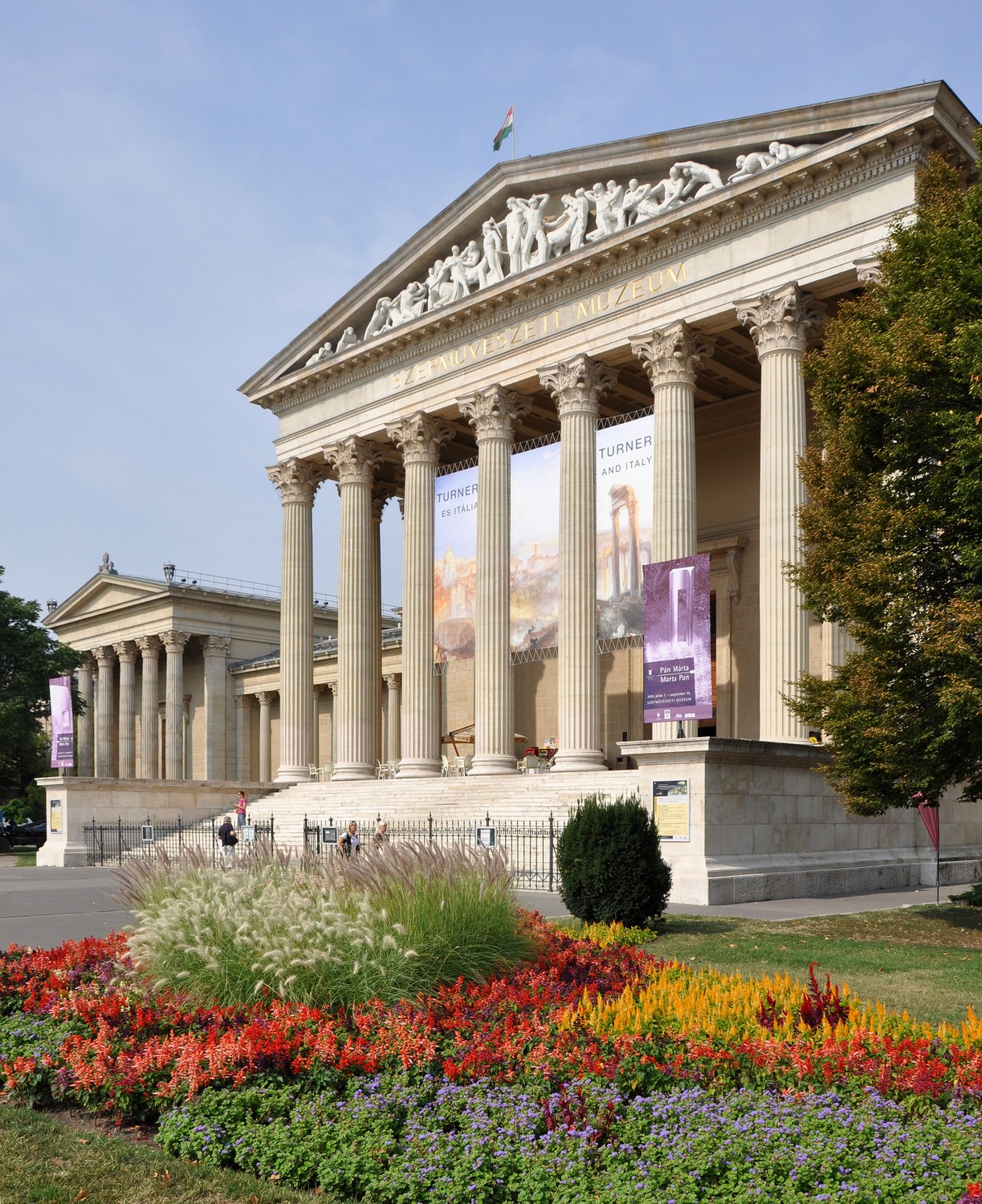
Nestled within the grandeur of Heroes’ Square in Budapest, Hungary, the Szépművészeti Múzeum – often translated as the Museum of Fine Arts – is far more than a mere repository of artistic treasures. It's a vibrant chronicle of European cultural exchange, a testament to architectural ambition, and a living embodiment of a nation’s artistic spirit. Completed in 1906 by the visionary architects Albert Schickedanz and Fülöp Herzog, this imposing structure immediately captivates with its scale – a deliberate statement of grandeur – and the promise of discovery within its richly decorated halls. Stepping through its doors is akin to entering a palatial realm, an immersive journey through time and style that mirrors the museum’s remarkably diverse collection, spanning from ancient Egyptian sarcophagi brimming with hieroglyphs to the evocative sculptures of antiquity and the bold expressions of modern masters.
The building itself is a masterpiece conceived as a deliberate celebration of architectural styles. Designed to evoke a sense of historical progression, it seamlessly blends Romanesque arches – hinting at medieval foundations – with Renaissance halls adorned with vibrant mosaics that shimmer under the light, and Baroque rooms that transport visitors back to an era of opulent grandeur. The façade, a harmonious blend of opulent detail and classical restraint, whispers tales of the Austro-Hungarian Empire’s ambition and its fervent dedication to the arts. It's not merely a museum; it’s a living, breathing architectural statement, a carefully orchestrated visual narrative that reflects both the past and the enduring power of artistic expression.
A Collection Spanning Millennia
The Szépművészeti Múzeum boasts an extraordinary assemblage of artistic treasures spanning millennia. The collection is remarkably broad, offering something to captivate every visitor – from the meticulous detail of ancient Egyptian artifacts to the sweeping narratives of Renaissance paintings and the daring innovations of 20th-century art. Early highlights include the mesmerizing “Budapest Dancer,” a marble figure embodying classical ideals – a poignant reminder of the museum’s commitment to showcasing the pinnacle of human creativity, its graceful form frozen in an eternal moment of movement. The Egyptian collection is particularly impressive, featuring intricately painted sarcophagi and vibrant hieroglyphic inscriptions that offer a glimpse into ancient beliefs and rituals, revealing the profound spirituality of a civilization long past. Roman sculptures, including imposing busts and dynamic reliefs, provide a window into the artistic sensibilities of the empire that shaped Western civilization – their weathered surfaces bearing witness to centuries of history.
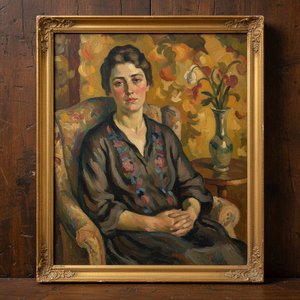
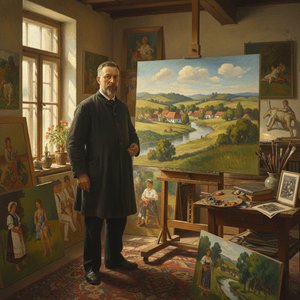
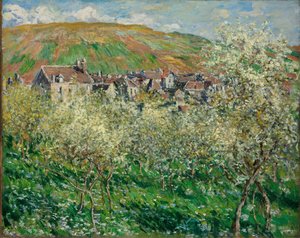
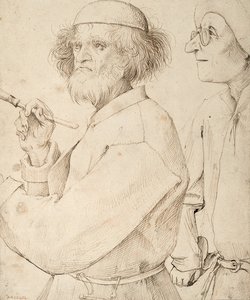
Beyond these iconic pieces, the collection extends through the Renaissance, Baroque, and Neoclassical periods, culminating in significant works from the 19th and 20th centuries. Notably, the museum’s Modern Collection showcases artistic achievements from the late 19th century to the present day, presenting visitors with an opportunity to explore diverse styles and perspectives – a testament to art's capacity for adaptation and innovation. The collection also houses a significant array of decorative arts, including exquisite ceramics by Eva Amália Stricker, whose innovative designs blend abstract forms with natural motifs, creating a harmonious dialogue between form and nature. Hungarian masters like Ferenc Salgó and József Vilmos Szabó are prominently featured, offering insights into the unique artistic vision that flourished within Hungary’s cultural landscape.
A Historical Narrative Rooted in Cultural Exchange
The museum’s origins lie in the burgeoning artistic spirit of Budapest during the Austro-Hungarian period. A conscious decision was made to champion international art rather than solely focusing on Hungarian creations – a strategic move that resulted in a collection deeply rooted in European masterpieces and fostered a dialogue between cultures. This deliberate approach shaped the museum's identity, transforming it into a vital hub for artistic exchange within Central Europe. The building itself reflects this commitment, housing works from across the continent, showcasing diverse traditions and perspectives. The museum’s location on Heroes’ Square – a symbolic space representing Hungary’s history and national identity – further underscores its role as a bridge between cultures.
A pivotal moment arrived in the late 1990s when a comprehensive restoration project painstakingly reversed earlier alterations – driven by evolving museum needs – returning the building to its original splendor. This meticulous undertaking, overseen by architect István Mányi and executed by Magyar Építő Zrt., underscored the enduring value of architectural heritage, ensuring that future generations could appreciate the Szépművészeti Múzeum’s historical integrity. The project involved careful attention to detail, preserving the unique character of each era represented within the building's design – from the Romanesque arches to the opulent Baroque interiors. It was a testament to the belief that preserving architectural history is not merely about maintaining buildings but also about safeguarding cultural memory.
Notable Exhibitions and Contemporary Appeal
The museum actively engages with contemporary artistic trends through rotating exhibitions featuring works by internationally acclaimed artists such as Gustav Klimt, Egon Schiele, and Alfred Gaudier-Brzeska. These displays illuminate the ongoing evolution of art and inspire visitors to contemplate its enduring relevance. Currently, the museum hosts a captivating exhibition exploring the work of Ferenc Salgó, offering insights into his unique artistic vision and contribution to Hungarian art history – a celebration of a master whose legacy continues to resonate today. Beyond its impressive collection and architectural grandeur, what truly distinguishes the Szépművészeti Múzeum is its unwavering commitment to community engagement. Guided tours, educational workshops, and special events contribute to a vibrant cultural landscape within Budapest, making it accessible to audiences of all ages and backgrounds. The museum’s dedication extends beyond simply displaying art; it actively seeks to foster appreciation for the arts within the broader community, ensuring that the beauty and wisdom of artistic expression are shared with everyone.