
A Sanctuary of Light and Stone: The Soul of MUDO
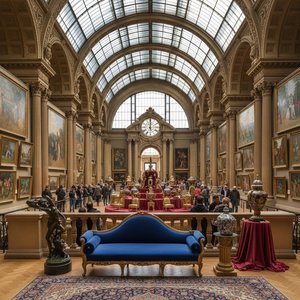
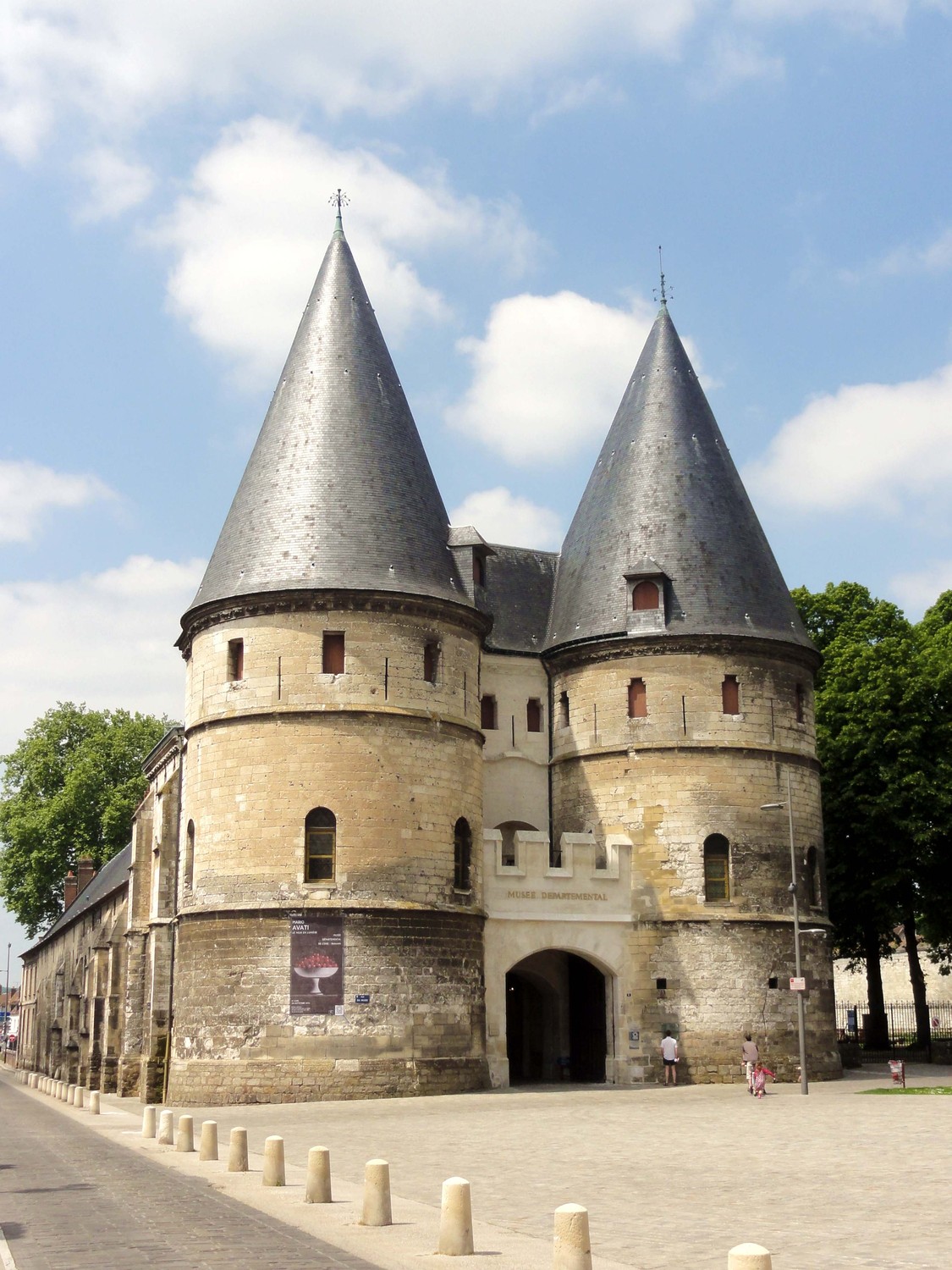
Nestled within the historic Bishop’s Palace of Beauvais, France—a structure that stands as a profound testament to centuries of ecclesiastical grandeur—lies the Musée Départementale de l'Oise . To enter this museum is to step through a portal where the weight of medieval history meets the ethereal lightness of the Impressionist spirit. The palace itself, built upon ancient Gallo-Roman walls, offers an architectural dialogue between eras; its 12th-century foundations and fortified towers speak of a time when Beauvais was a stronghold of power, while the Renaissance flourishes added by Bishop Louis Villiers de l’Isle Adam lend a refined elegance to the halls. For the art lover, this setting is not merely a backdrop but an active participant in the viewing experience, where the soaring vaulted ceilings and the play of light through historic windows prepare the soul for the masterpieces within.
The museum's architectural journey is one of continuous transformation, reflecting the very history of the Picardy region. The original palace was established by Henry of France, a figure of royal lineage, and later fortified with defensive towers following 14th-century unrest. This blend of Gothic decoration and Renaissance reconstruction creates a space where every corridor tells a story of resilience and rebirth. For those seeking inspiration in texture and historical depth, the museum provides an immersive encounter with the very essence of French artistry, preserved within the evocative embrace of a palace that has watched history unfold for nearly a millennium.
A Journey Through Masterful Brushstrokes and Decorative Splendor
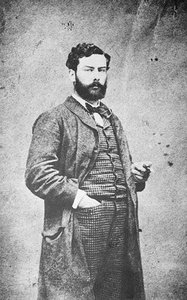
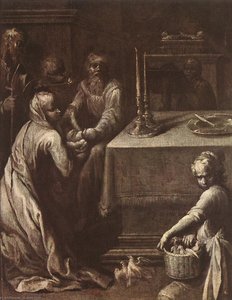
The heart of the collection beats with the rhythmic brushstrokes of the 19th-century French masters. Visitors find themselves wandering through a landscape of memory, dominated by the evocative works of the Barbizon and Impressionist schools. The canvases of Camille Corot and Alfred Sisley emerge from the galleries like morning mist, capturing the delicate, fleeting atmospheres of the French countryside with a precision that feels both intimate and eternal. These paintings do more than depict scenery; they invite the viewer to inhabit a specific moment of light and shadow. Alongside these pastoral meditations, the museum presents the powerful presence of Rosa Bonheur and the classical rigor of Jean-Auguste-Dominique Ingres , creating a curated journey through the evolution of French perception.
Beyond the sweeping landscapes, MUDO offers a tactile encounter with the exquisite beauty of the decorative arts. The museum serves as a premier destination for those captivated by the Art Nouveau movement, particularly through its remarkable ceramics. A true jewel of the recent renovations is the Cheminée aux paons , an extraordinary fireplace constructed between 1923 and 1927. After decades in reserve, its return to public view allows collectors and designers alike to witness the seamless integration of sculpture and functional art, where fire and clay meet in a spectacular display of craftsmanship. The museum's ability to weave together diverse disciplines—from the vibrant ‘flambé’ glazes of Félix-Auguste Delaherche to medieval relics—makes it a unique destination for anyone seeking the intersection of fine art and historical ornament.