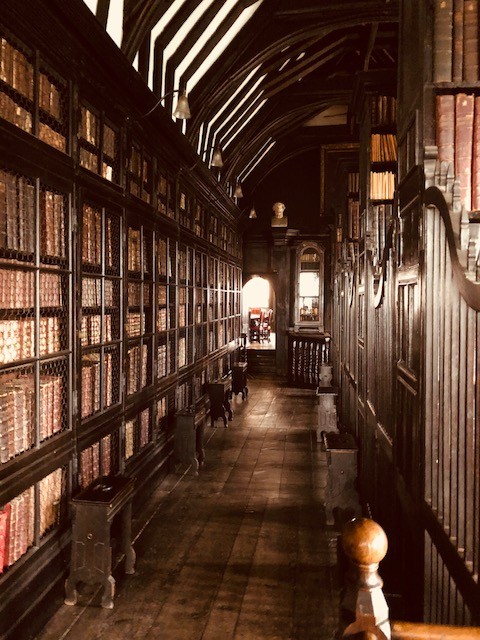
Sadržaj
Osnovne informacije
- Location: Manchester, United Kingdom
- Historical periods: early modern
- Works on APS: 4
- Mediums: oil on canvas
- Prikaži više…
- Movements: rococo
- Featured artists:
- George Romney
- John Hanson Walker
- George Henry Wimpenny
- Alternate names:
- Chethams Hospital and Attached Wall
- Chethams Library
- Art types: wallart
Umetnici u zbirci

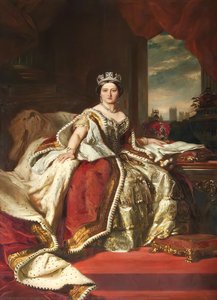
Џорџ Ромејн
George Romney je jedan od najpoznatijih britanskih slikara XVIII stoljeća koji je poznat po svojim elegantnim portretima i dubokom psihološkom uvidu. Njegova umjetnička ostvarenja uključuju slike poznatih ljudi poput Emme Hamilton, koje su inspiracije za njegov stil i prikazivanje klasičkih mitova. Ova umetnost je vredna istorijskog konteksta i nastavlja da fascininjuje publiku danas!

John Hanson Walker
Discover the evocative landscapes of John Hanson Walker (1844-1933), a Mus3ums painter known for his detailed depictions of nature & American scenes. Explore his legacy!

George Henry Wimpenny
Explore the captivating works of George Henry Wimpenny (1857-1939), a Mus3ums artist known for his evocative portraits & scenes, reflecting Victorian era life and American identity.
Kviz o umetnosti
Svako pitanje ima samo jedan tačan odgovor.
Pitanje 1:
What is Chetham’s Library renowned for being?
Pitanje 2:
Approximately how many books printed before 1851 are housed within Chetham’s Library?
Pitanje 3:
Who famously conducted research for The Communist Manifesto at Chetham’s Library?
Pitanje 4:
What architectural style characterizes the Reading Room of Chetham’s Library?
Pitanje 5:
Chetham's Library was originally housed within which building?
Povezani članci

From Private Collections to Public Treasures: The Evolution of the Museum and the Democratization of Art History
Explore the fascinating evolution of museums from private aristocratic galleries to public treasures. Discover how art history has been democratized through cultural preservation and modern accessibility for collectors and enthusiasts worldwide.
The Luminous Legacy of Oil on Copper: Unveiling the Rare Medium of Renaissance Brilliance
Discover the breathtaking brilliance of oil on copper. Explore how this rare Renaissance medium creates unmatched luminosity and depth, perfect for collectors seeking timeless elegance and museum-quality mastery in their home decor.
Od Kabineta Retkosti do Javnih Institucija: Uspon Modernih Muzeja i Evolucija Kulturnog Nasleđa
Istražite evoluciju modernih muzeja od kabineta retkosti do javnih institucija. Dubinski uvid u istoriju, kolekcionarstvo i digitalizaciju kulturnog nasleđa uz primer Narodnog Muzeja u Beogradu.
Spisak umetničkih dela
Nema pronađenih umetničkih dela.
© 2026 mus3ums.com