A Florentine Heartbeat: The Basilica di San Lorenzo
The Basilica di San Lorenzo in Florence isn’t merely a church; it's a palimpsest of Florentine history, ambition, and artistic genius etched into stone and marble. Situated within the vibrant pulse of the city’s market district, its weathered façade hints at centuries of stories—a narrative interwoven with papal patronage, familial piety, and groundbreaking innovation. To approach San Lorenzo is to step into the very crucible of the Renaissance, a place where the humanist revival of antiquity found breathtaking expression in architecture, sculpture, and design. The basilica's unassuming exterior belies the treasures held within, a testament to the Medici family’s enduring legacy and their profound impact on the cultural landscape of Florence. It stands as a powerful reminder that even the most austere structures can hold immense beauty and complex narratives.
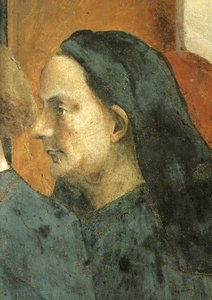
The story of San Lorenzo begins long before the Renaissance, with its consecration in 393 AD, making it arguably the oldest church in Florence. Initially a modest structure, it was Giovanni di Bicci de' Medici who envisioned a grander edifice, one worthy of his family’s burgeoning power and influence. He commissioned Filippo Brunelleschi, already celebrated for his revolutionary dome on the Duomo, to undertake this monumental task. Brunelleschi’s design wasn’t about ostentatious display; it was an exercise in harmonious proportion and classical restraint. Utilizing a modular system based on the square aisle bay, he created a nave space of remarkable clarity and balance – a testament to his mastery of geometry and a foundational element for much of Florentine architecture that followed. The columns, arches, and entablatures meticulously modeled after Roman ideals contribute to a sense of grandeur that feels both timeless and profoundly human; it’s as if you're walking through the echoes of ancient Rome itself. Walking through the basilica is akin to entering a living geometry lesson, where mathematical precision translates into an experience of serene beauty – a space designed for contemplation and awe.
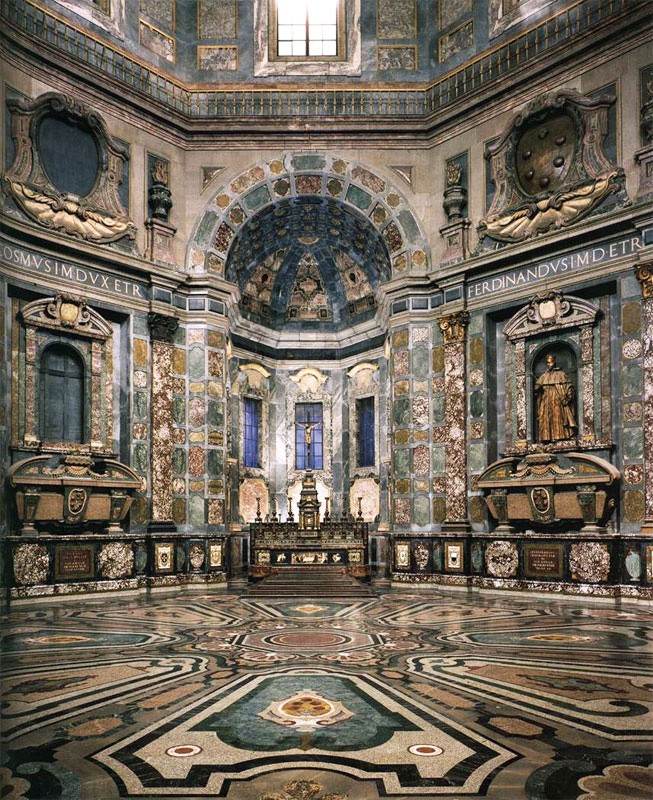
Within these walls lies not just a place of worship but also a sprawling complex brimming with artistic treasures. The Medici Chapels are undoubtedly the most spectacular feature, a dazzling display of Baroque excess that stands in stark contrast to the basilica’s restrained elegance. Here, within the Cappella dei Principi, the sheer scale of marble inlay and semi-precious stone work is overwhelming – a testament to the Medici family's immense wealth and power. The intricate details, shimmering with gold leaf and reflecting light in mesmerizing patterns, speak volumes about their ambition and desire for immortality. Beyond the chapels, the New Sacristy, conceived by Michelangelo, represents a different kind of artistic endeavor. Though never fully completed as he envisioned, it showcases his innovative approach to sculpture and architecture – hinting at unrealized grandeur and demonstrating his restless creative spirit. The Laurentian Library, also designed by Michelangelo, is a sanctuary for scholars and book lovers alike, its soaring ceilings and harmonious proportions creating an atmosphere conducive to contemplation and intellectual pursuit. It’s a space where the echoes of Renaissance learning still resonate.
Don't miss the Old Sacristy, housing sculptures by Donatello that offer a glimpse into early Renaissance artistry – capturing grace and emotion with masterful technique. These works, particularly the pulpits, are considered among Donatello’s finest achievements, showcasing his ability to imbue stone with life and movement. The basilica also hosts regular exhibitions focusing on Michelangelo's sculptural contributions, exploring his evolving style and artistic vision—a chance to delve deeper into the mind of one of history’s greatest artists. Furthermore, displays showcasing Florentine Renaissance painting – particularly Fra Angelico’s frescoes – have captivated audiences worldwide, offering a vibrant window into the era’s artistic flourishing.
San Lorenzo's enduring appeal lies in its multifaceted narrative—a chronicle of papal ambition, familial devotion, and artistic innovation spanning centuries. It's a place where the ghosts of Renaissance masters seem to linger, inspiring awe and wonder in all who enter. Recent exhibitions have focused on Michelangelo’s sculptural contributions, exploring his evolving style and artistic vision, while displays showcasing Florentine Renaissance painting—particularly Fra Angelico’s frescoes—have captivated audiences worldwide. A visit to Basilica di San Lorenzo is more than just sightseeing; it's a pilgrimage into the heart of Florentine history and art—a chance to connect with the creative spirit that shaped Western civilization. It is, in essence, an encounter with the soul of Florence itself.
Exploring the Museum’s Treasures
The museum attached to the Basilica di San Lorenzo offers a curated journey through its most significant collections. A key highlight is undoubtedly the Medici Chapels, a breathtaking display of Baroque extravagance that showcases the family's wealth and power. The intricate marble work, shimmering gold leaf, and elaborate sculptures are a testament to their ambition and desire for immortality. Visitors can spend hours marveling at the sheer scale and detail of this opulent space.
The Laurentian Library is another must-see, housing an impressive collection of manuscripts illuminated with vibrant colors and adorned with classical motifs. The soaring ceilings and harmonious proportions create an atmosphere conducive to contemplation and intellectual pursuit – a true sanctuary for scholars and book lovers. Don’t miss the opportunity to examine the sculptures within the Old Sacristy, offering a glimpse into early Renaissance artistry and Donatello's masterful technique.
The museum also hosts rotating exhibitions that delve deeper into specific aspects of the basilica’s history and art. These events often feature newly discovered artifacts or provide fresh perspectives on existing works. Check the museum’s website for current exhibition schedules before your visit.
Architectural Significance
Beyond its artistic treasures, the Basilica di San Lorenzo is a remarkable architectural achievement. Brunelleschi's design represents a pivotal moment in Renaissance architecture, demonstrating his mastery of proportion, geometry, and classical principles. The basilica’s modular system, based on the square aisle bay, created a nave space of remarkable clarity and balance – a testament to his innovative approach.
The New Sacristy, designed by Michelangelo, showcases his experimental use of space and materials, pushing the boundaries of architectural design. Even the exterior façade, deliberately left unfinished, is a significant element of the basilica’s story—a reminder of the ambitions that were never fully realized.
A Journey Through Time
The Basilica di San Lorenzo offers visitors a unique opportunity to step back in time and experience the heart of Florence's Renaissance heritage. From its origins as a humble church to its transformation into a Medici mausoleum, the basilica’s history is intertwined with the rise and fall of one of Italy’s most powerful families. A visit here isn’t just about admiring beautiful art; it’s about connecting with the people, ideas, and events that shaped Western civilization.