
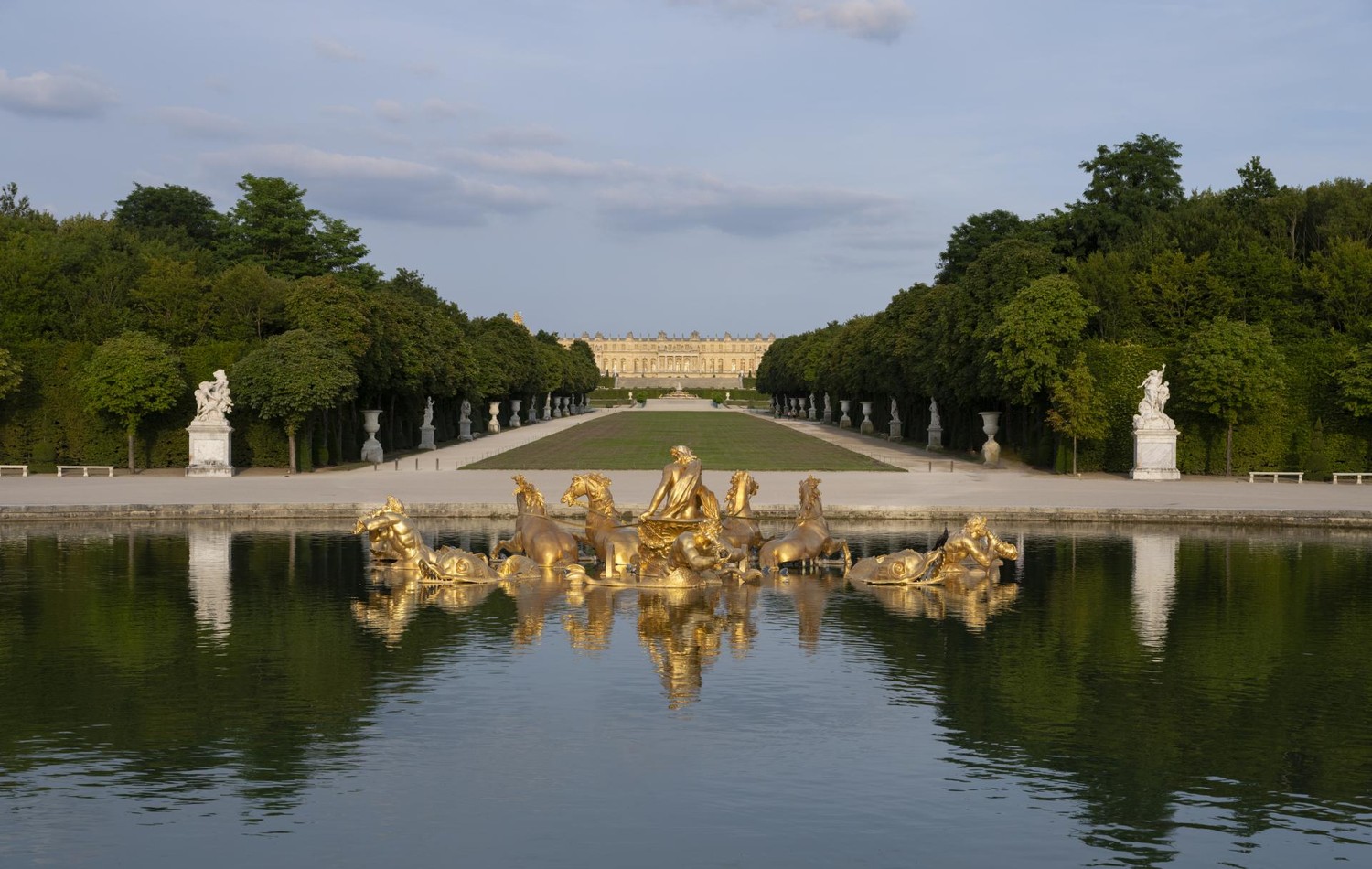



A Royal Legacy Forged in Stone and Green
Stepping into the Garden of the Château at Versailles is akin to entering a living tapestry woven with centuries of ambition, artistry, and royal decree. It’s more than just an outdoor space; it's a meticulously orchestrated symphony of nature and design—a tangible embodiment of French grandeur that continues to captivate visitors today. Born from humble hunting grounds under Louis XIV, the garden underwent a dramatic transformation, fueled by a desire to rival the splendor of Rome and establish a potent symbol of his absolute authority. André Le Nôtre, a name synonymous with formal garden design, wasn’t merely arranging plants; he was sculpting entire vistas, manipulating perspective, and harnessing the power of water to create an illusion of boundless space—a subtle reinforcement of the château's commanding presence. The sheer scale is humbling, yet it’s the *details* – the precise geometry mirroring each other in perfect balance, the strategic placement of trees framing views with breathtaking depth, and, most importantly, the intricate network of water features – that truly reveal Le Nôtre’s genius. These aren't mere embellishments; they are integral to the garden’s very soul, contributing to a dynamic interplay of light, sound, and movement—a carefully orchestrated spectacle designed to reflect the absolute power and refined sensibilities of the French monarchy.
A Cascade of Innovation: The Fountains of Versailles
At the heart of this magnificent landscape lies the breathtaking spectacle of Versailles’ fountains. These aren't simply decorative elements; they are technological marvels, a testament to Louis XIV’s commitment to innovation and his desire to exert control over nature itself. An ingenious hydraulic system—incorporating many original mechanisms—feeds a dazzling array of cascades, playful jets, and dramatic displays. From the colossal Apollo’s Fountain, a breathtaking spectacle of sculpted figures and cascading water embodying classical mythology and royal power, to the more intimate Dragon and Neptune Fountains, each element contributes to a dynamic interplay of light, sound, and movement – transforming the gardens into a living work of art that shifts with the seasons and the changing light. The fountains were not merely functional; they were meticulously designed to impress, demonstrating the king’s mastery over both nature and engineering. The painstaking planning and execution involved countless laborers and engineers, representing a significant investment in royal prestige—a visible declaration of power and ingenuity.
A Chronicle in Landscape: Royalty, Artistic Evolution, and Shifting Sensibilities
The genesis of Versailles’ garden under Louis XIV laid the foundation for centuries of refinement and adaptation. Subsequent monarchs continued this tradition, subtly adjusting the style to reflect evolving sensibilities while maintaining the core principles of symmetry, perspective, and geometric precision. Consider Marie Antoinette’s Petit Trianon, a deliberate contrast to the formality of Versailles. Nestled within the gardens, this secluded retreat represents a shift towards a more pastoral aesthetic—a desire for respite from courtly life and a celebration of nature's tranquility. The Petit Trianon, with its informal layout and lush vegetation, offers a poignant glimpse into the personal preferences of a queen who sought solace in simplicity. Each corner of the estate whispers tales of French history – the ambitious vision of Louis XIV, the romantic retreat of Marie Antoinette, and the evolving tastes that shaped this extraordinary place are all reflected in the garden’s design and layout. The transformation from a hunting ground to a meticulously planned landscape mirrors the changing priorities of the monarchy—from military power to courtly elegance, and finally, to a more intimate and personal expression of royal life. The gardens themselves serve as a living chronicle, offering a tangible connection to the past.
Notable Exhibitions & Ongoing Research
Throughout the year, the Château de Versailles hosts a diverse range of exhibitions that delve into various aspects of the garden’s history and design. Currently, “Le Jardin de Versailles: Une Histoire Géométrique” offers a fascinating exploration of André Le Nôtre's techniques and the mathematical principles underpinning the garden’s layout – revealing the intricate geometry hidden within its seemingly effortless beauty. Another engaging exhibition, "Marie Antoinette’s Retreat: The Petit Trianon Revisited," examines this idyllic space as a sanctuary for the queen, highlighting its unique design elements and reflecting on the shift in aesthetic sensibilities during her reign. These exhibitions are complemented by ongoing research projects that utilize cutting-edge technology – including 3D modeling and digital mapping – to reconstruct lost sections of the garden and illuminate previously unknown details. The museum’s commitment to preserving this historical treasure is evident through these innovative approaches, ensuring future generations can appreciate the full scope of Versailles' legacy.
Bringing Versailles Home: Artful Reproductions – A Touch of Royal Grandeur
Explore our collection today and bring a touch of Versailles into your world. We offer a curated selection of hand-painted watercolors capturing delicate details, large-scale oil paintings displaying panoramic views, and sculptural elements inspired by the iconic fountain designs. These reproductions are meticulously crafted to evoke the grandeur and elegance of the original gardens, allowing you to experience a piece of French history in your own home. Whether you’re drawn to the intricate floral patterns of the parterres or the dramatic spectacle of the fountains, our collection offers a way to connect with this extraordinary legacy.
- Hand-Painted Watercolors Capturing Delicate Details: Intricate depictions of flowerbeds, fountains, and statuary.
- Large-Scale Oil Paintings Displaying Panoramic Views: Dramatic landscapes showcasing the vastness and beauty of the gardens.
- Sculptural Elements Inspired by Fountain Designs: Miniature replicas of iconic fountains, perfect for adding a touch of Versailles to your décor.
For more information and visiting hours, please visit: https://en.chateauversailles.fr/