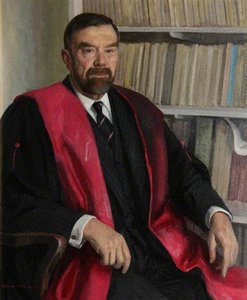
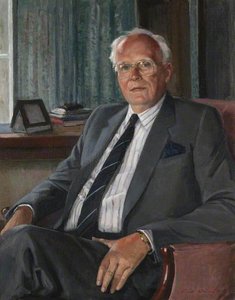
Carl Cheek (1927–2011): A Pioneer of Color Field Abstraction
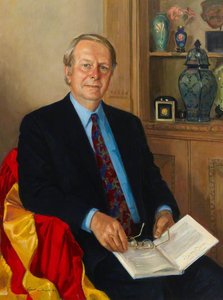
Carl Cheek (1927–2011) emerged as a significant figure in mid-century modern art, primarily recognized for his distinctive approach to color field painting—a movement that sought to express emotion and spirituality through expansive canvases dominated by solid blocks of pigment. Born in Sydney, Australia, Cheek’s artistic journey began with an early fascination for watercolor landscapes, influenced heavily by the Impressionists and particularly Eugène Boudin, whose atmospheric depictions captivated young Cheek's imagination. This formative experience instilled a deep appreciation for capturing fleeting moments of light and color, principles that would underpin his later explorations into abstraction.- Early Influences: Boudin’s Impressionistic techniques served as a cornerstone for Cheek’s artistic vision.
- Watercolor Landscapes: His initial works showcased meticulous detail and tonal subtlety—a departure from purely representational art.
- National Art School Training: Formal education solidified Cheek’s technical proficiency.
- Newman & Albers Influence: He adopted the minimalist aesthetic of Newman and Albers, prioritizing color as the primary vehicle for artistic communication.
- Geometric Shapes: Rectangles and squares were integral components of Cheek’s paintings.
- Color Harmony & Balance: His compositions prioritized visual equilibrium and created contemplative spaces for observation.
- Art UK: https://artuk.org/discover/artists/cheek-carl-19272011
- Carl Haag: /en/articles/carl-haag-orientalist-visions-victorian-spirituality-in-watercolor-en/
- Carl Newman: /en/articles/carl-newman-exploring-abstraction-s-spiritual-resonance-through-color-field-painting-en/
Soru & Cevap
Carl Cheek hangi dönem sanatçısıdır?
Carl Cheek, Modern döneminde eserlerini vermiştir. Bu dönem, sanatçının çalışmalarını tarihsel bir bağlama oturtur.