
A Portal to Etrusary Splendor
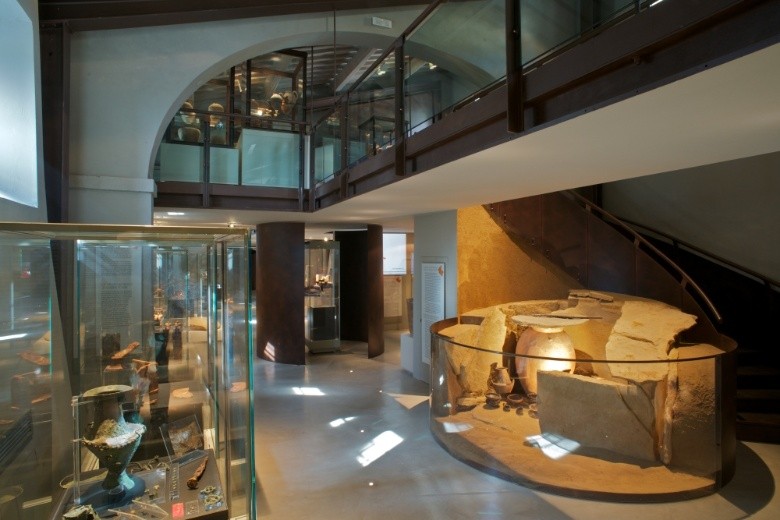
Nestled within the sun-drenched, rolling hills of Tuscany, where the scent of ancient cypress trees and silvered olive groves hangs heavy in the air, the Artimino Archaeological Museum offers far more than a mere glimpse into antiquity. It is an immersive odyssey, a sensory journey that transports the visitor back to the very heart of the Etruscan civilization—a culture that flourished between 800 and 27 BCE and left an indelible mark on the soul of Roman art and thought. Founded in 1993 by Francesco Nicosia, the museum is strategically positioned near the sacred necropolises of Prato Rosello and Montefortini, creating a profound connection between the artifacts on display and the very earth from which they were unearthed. The architecture itself honors this historical continuity, utilizing natural light to create a serene, contemplative atmosphere that invites collectors and art lovers to lose themselves in the whispers of a lost world.
The Mastery of Bronze and Bone
To wander through the museum's halls is to witness the profound technical sophistication of a civilization that mastered the elements long before the Roman shadow fell upon Italy. The collection is anchored by the monumental Warrior’s Tomb, a site of breathtaking archaeological significance. Within this reconstructed space, visitors encounter intricate frescoes depicting scenes of ancient warfare; the vibrant pigments employed here are a testament to an advanced understanding of color theory and a remarkable level of artistic skill. This visceral energy is balanced by the museum's exceptional assemblage of bronze works. Among these, ‘The Etruscan Horse’ stands as a triumph of metalworking, its surface treatment revealing subtle nuances of texture and patina that capture the raw essence of power and prestige. The collection further unfolds through the discovery of funerary urns adorned with geometric patterns and delicate gold and silver jewelry, each piece serving as a silent witness to the Etruscans' penchant for opulent ornamentation and their complex beliefs regarding the afterlife.
A Tapestry of Timeless Artistry
What truly distinguishes Artimino is its ability to weave disparate eras into a single, cohesive historical tapestry, acting as a bridge between the ancient and the Renaissance. The museum’s significance extends beyond the Etruscan era, serving as a subtle conduit to the Florentine Renaissance through the presence of frescoes by masters such as Filippo Lippi and Fra Bartolomeo . These works, which recount the storied history of Prato, demonstrate how the artistic principles of the past continued to breathe life into subsequent generations of painters. For the interior designer or the connoisseur of historical narratives, Artimino offers a rare opportunity to experience a dialogue between the primitive strength of terracotta figurines and the lyrical elegance of Renaissance brushwork. It remains a beacon of cultural excellence, an essential destination for anyone seeking to understand the enduring layers of Italian heritage.