

The History of Csontváry Museum
Located in Pécs, Hungary, the Csontváry Museum occupies a Neoreneszance building that has hosted a dedicated exhibition since 1973. This space functions as a specialized part of the Janus Pannonius Museum, providing a permanent setting for the study of a singular artistic vision. The architecture itself carries the weight of the city's history, offering a structured environment for the presence of these specific works.
The collection focuses on the life and output of Tivadar Csontváry Kosztka (1853-1919). The museum provides a space where his particular approach to painting can be observed in situ. The exhibition was established to ensure that his unique perspective remained accessible within the regional cultural landscape of Baranya County. It remains a significant site for those seeking to encounter the actual canvases produced by the artist.
The Art Collection of Tivadar Csontváry Kosztka
The collection begins with the artist's early explorations, specifically his study drawings and portraits. These foundational works precede a transformative period between 1902 and 1903. During these years, the canvases were shaped by experiences in Jajce, Mostar, Castellamare, Selmecbánya, Szigetvár, and the Hortobágy. This era marks a shift toward the distinct visual language that defines his later output.
Certain works possess a physical presence that demands attention. The large-scale Taorminai görög színház romjai occupies significant space within the museum. Nearby, the painting Nagy Tarpatak a Tátrában and Jajcei vízesés offer glimpses into his specific topographical interests. The collection also holds Zarándoklás a cédrusokhoz Libanonban, a work that reflects a deep preoccupation with the landscapes of the Middle East.
The museum is home to Baalbek, a work recognized as the world's largest plein air painting. This piece exists alongside Mária kútja in Nazareth, a painting created during a period of intense search for an individual style. These works represent the culmination of a life spent translating internal visions into tangible form.
- Baalbek
- Mária kútja
- Jajcei vízesés
- Nagy Tarpatak a Tátrában
- Taorminai görög színház romjai
- Zarándoklás a cédrusokhoz Libanonban
Major Loans and Long-term Agreements
The presence of Tivadar Csontváry Kosztka’s work in Pécs is strengthened by a significant long-term loan agreement. This arrangement, established between dr. László Baán and dr. Gábor Bertók, ensures that the museum's holdings are supplemented by works from the Szépművészeti Múzeum – Magyar Nemzeti Galéria. This collaboration allows for a deeper encounter with the artist's vision through pieces that are not part of the permanent local collection.
Through this agreement, thirty-three paintings from the Szépművészeti Múzeum – Magyar Nemzeti Galéria will remain on display at the Csontváry Museum until the end of 2033. These works bring a specific weight to the galleries, allowing for a continuous study of the artist's evolving style. Among these loaned pieces are several significant canvases that invite close observation:
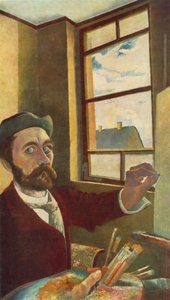
- Önarcképe
- Magányos cédrusa
- Taorminai görög színház romjai
The inclusion of these specific works, such as the ruins of the Greek theater in Taormina, provides a sense of scale and historical depth to the exhibition. The presence of these paintings transforms the space into a site of sustained dialogue between the collections of Budapest and Pécs.
Visiting Information and Opening Hours
The museum maintains regular hours from Tuesday through Sunday, between 10:00 and 18:00. On Mondays, the doors remain closed. For those seeking to secure entry in advance, tickets are available for purchase online. This allows for a quiet arrival at the Janus Pannonius utca 11 location in Pécs, Hungary.
Admission costs 1,000 Ft for adults. A reduced rate of 500 Ft is provided for students and pensioners. These specific prices apply to the permanent exhibition held within the Neoreneszance building. The space remains open to the public during the stated midday and afternoon hours, providing a steady rhythm for those who wish to observe the works in person.


