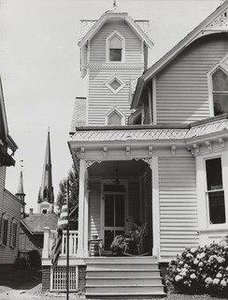
Early Life and Education
- Born: John Felix Vachon was born on May 19, 1914, in St. Paul, Minnesota.
- Family Background: He was the son of Ann Marie (O'Hara) and Harry Parnell Vachon.
- Education: Vachon graduated from Cretin High School (now Cretin-Derham Hall High School). He then earned a bachelor’s degree in 1934 from the University of St. Thomas, formerly known as the College of St. Thomas, and continued his studies at the Catholic University of America in Washington D.C. between 1935 and 1936.
Career with the Farm Security Administration (FSA)
- Early Role: In 1937, Vachon began his career at the Farm Security Administration as an assistant messenger. He initially had no intention of becoming a photographer.
- Transition to Photography: As he took on responsibilities maintaining the FSA photographic file, his interest in photography grew. With encouragement from Ben Shahn and guidance from Walker Evans and Arthur Rothstein, he began taking photographs himself.
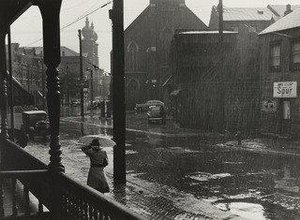
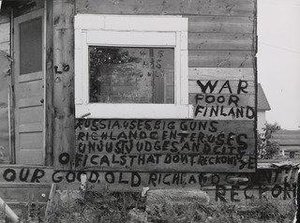
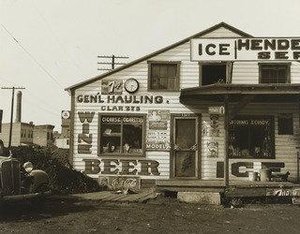
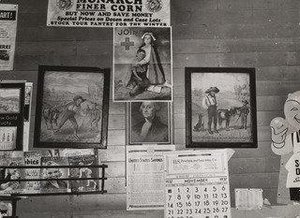
- Documentary Work: Vachon became a member of the regular FSA photographic staff, documenting the conditions of rural poverty during the Great Depression. He traveled extensively, capturing poignant scenes in the Plains states, including Nebraska and Omaha.
- Photographic Style: His work was characterized by its candid and unembellished portrayal of people and places, avoiding artificial beautification often found in commercial photography.
Post-War Career and Diverse Assignments
- Office of War Information & Standard Oil: During World War II, Vachon worked as a photographer for the Office of War Information (1942-1943) and then for Standard Oil Company of New Jersey (1943-1944).
- Photo League Involvement: After serving in the U.S. Army in 1945, he joined the Photo League, contributing book reviews to *Photo Notes* and participating in exhibitions.
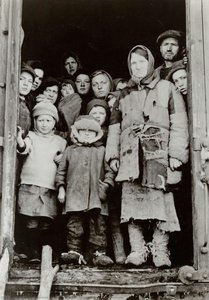
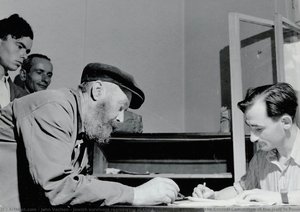
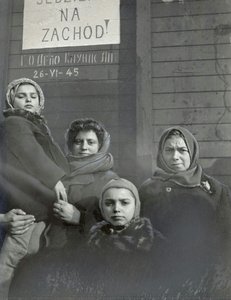
- International Assignments: Between 1945 and 1947, Vachon photographed New Jersey and Venezuela for Standard Oil, and Poland for the United Nations Relief and Rehabilitation Administration.
- Magazine Work: He became a staff photographer for *Life* magazine (1947-1949) and then worked at *Look* magazine for over twenty-five years beginning in 1947. During his time with these magazines, he covered a wide range of subjects.
- Notable Assignments: In 1953, Vachon took the first photographs of Marilyn Monroe and Joe DiMaggio near Banff, Canada.
Later Life and Legacy
- Freelance Work & Guggenheim Fellowship: After *Look* magazine closed in 1971, Vachon became a freelance photographer. In 1973, he received a Guggenheim fellowship.
- Teaching Position: In 1975, he was a visiting professor at the Minneapolis Institute of Arts.
- Death: John Vachon died on April 20, 1975, in New York City at the age of 60.
- Family Legacy: His daughter, Christine Vachon, is a prominent independent film producer.
- Historical Significance: John Vachon’s work is recognized for its honest and compassionate portrayal of American life during the Depression era and beyond. He left behind a significant body of documentary photography that continues to be studied and appreciated today.
问答详情
John Vachon 还有哪些别名?
John Vachon 也被称为 John Felix Vachon。
John Vachon 出生于哪个国家和城市?
John Vachon 出生于 United States of America 的 St. Paul。
John Vachon 的创作时期属于哪个历史阶段?
John Vachon 的创作活跃于 Modern 时期,这一时期确立了艺术家在艺术史上的地位。