The Death of the Subject: Why Pure Abstraction is the Ultimate Power Move
 Abstract art
Abstract art uses visual language of shape, form, color, and line to create a composition which may exist with a degree of independence from visual references in the world. Abstract art, non-figurative art, non-objective art, and non-representational...
Forget everything you think you know about looking at a painting. For centuries, art was a mirror, a desperate attempt to replicate the world through the lens of perspective and recognizable figures. But as technology and science began to rewrite the rules of reality, the masters realized that a literal depiction was no longer enough. The real revolution happened when artists decided to stop painting
what they saw and started painting
how it felt. This is the core of abstraction: a total departure from the safety of recognizable forms in favor of a visual language composed purely of shape, form, color, and line.
When you strip away the landscape, the portrait, and the still life, you are left with something far more potent. You are left with raw energy. This isn't just about "messy" paint; it is about an intentional independence from visual references. Whether it is the total abstraction that leaves no trace of the physical world or a partial abstraction that distorts reality to reveal a deeper truth, the goal remains the same: to create a composition that exists on its own terms. In a world saturated with literal imagery and digital noise, choosing abstraction is the ultimate power move—it is an invitation to stop identifying and start experiencing.
Visual High-Voltage: Decoding Color, Texture, and Geometric Energy
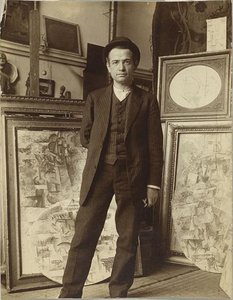 Auguste Herbin
A Pioneer of Geometric Abstraction: The Life and Art of Auguste Herbin Auguste Herbin, born in the quiet northern French town of Quiévy in 1882, emerged as a pivotal figure in the evolution of abstract art. His journey was not one of immediate revela...
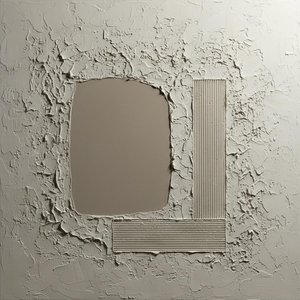
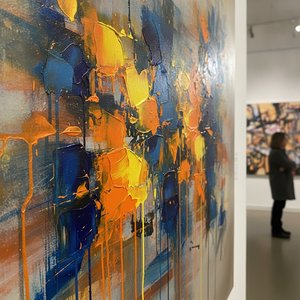
To truly engage with high-impact abstract art, you have to look past the surface and feel the rhythm of the composition. It is a sensory encounter where color and texture serve as the primary protagonists. Think of it as the visual equivalent of a heavy bassline in a track; it hits you before your brain even processes the melody. In works like those of
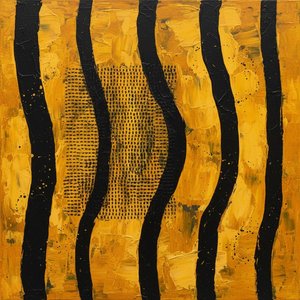
Christian Noiret, the dialogue between light and matter becomes visceral. You aren't just observing a canvas; you are witnessing a sculptural manipulation of pigment where the weight of a brushstroke and the luminous depth of layered textures create a living, breathing entity.
The energy of an abstract piece often resides in its structural tension. Geometric abstraction, pioneered by figures like
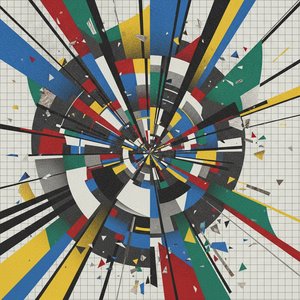
Auguste Herbin, uses the precision of lines and shapes to command the space. There is a calculated, architectural strength in these works that can anchor an entire room. Conversely, lyrical or gestural abstraction relies on spontaneity—the fluid, energetic movement found in
Wassily Kandinsky’s early watercolors. Here, the interplay of organic shapes and vibrant, high-contrast hues creates a sense of motion that is impossible to ignore. When you master the balance between the rigid geometry of a line and the raw, impasto texture of a thick paint application, you achieve a visual high-voltage that transforms a wall into an experience.
From Kandinsky to Noiret: The Evolution of the Abstract Vibe
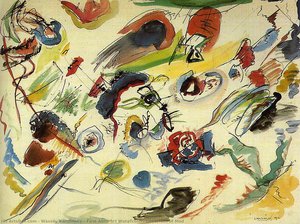 First Abstract Watercolor, Collection of Mad
Vibrant Abstraction: A Pioneering Work of Modern Art Wassily Kandinsky's *First Abstract Watercolor* is a landmark piece in the history of modern art, marking his transition into pure abstraction. Created in 1910, this dynamic composition embodies th...
The lineage of abstraction is a journey from spiritual revelation to contemporary sensory immersion. It began with pioneers like
Kandinsky, who sought to convey profound spirituality and universal emotions through a dance of color and form, moving away from the objective world toward an inner vision. This movement paved the way for the mid-20th century explosion of Abstract Expressionism, where artists in the New York School turned the canvas into an arena of action, emphasizing the physical act of painting itself.
As we moved through the decades, the "vibe" evolved from the heavy, emotional weight of post-war movements to a more refined, modern exploration of materiality. We see this evolution in the transition from the fragmented Cubist explorations that influenced early modernists to the contemporary mastery seen in artists like
Gusti Agung Mangu Putra or Noiret. Today, the focus has shifted toward a sophisticated interplay of chromatic harmony and structural tension. The modern abstract artist doesn't just want to express an emotion; they want to manipulate the very atmosphere of the space they inhabit, using light and texture to create sanctuaries of stillness or pulses of pure, unadulterated energy.
Trend Forecast: Integrating High-Impact Abstraction into Modern Urban Interiors
![Abstract Composition [triptych]](/media/artworks/images-thumb/08/3c/083c0675045645fd42d4e6c6d63f1ced.jpg) Abstract Composition [triptych]
Abstract Composition [triptych]Abstract Composition [Triptych] by Vaclav Vytlacil (1937). Explore this dynamic black & white triptych featuring bold lines, textures & geometric shapes. A key example of American modernism.
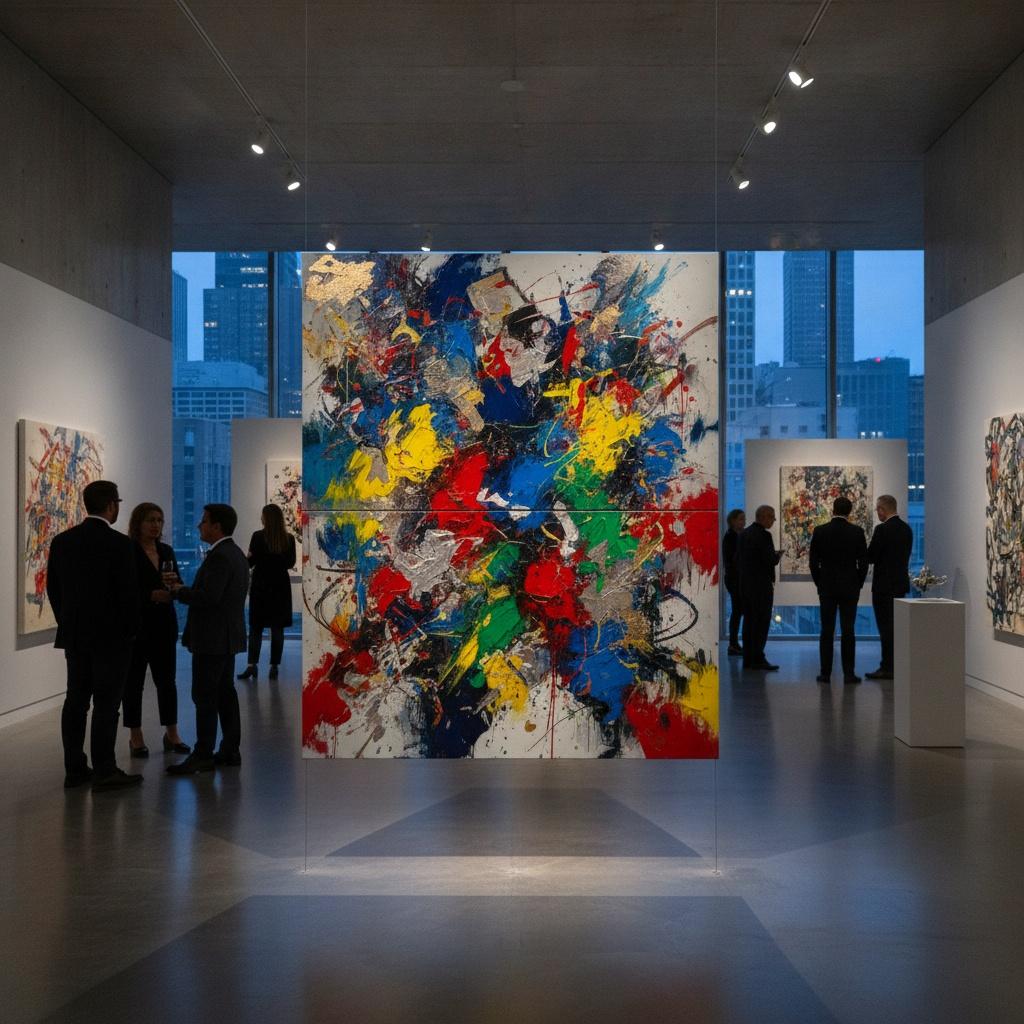
In the world of high-end urban design, abstraction is the ultimate trendsetter. It is the "statement piece" that requires no explanation but demands total attention. For the design-conscious professional, integrating abstract art is about creating a focal point that transcends seasonal decor. We are seeing a massive shift toward large-format works—think multi-panel triptychs or expansive murals that wrap around architectural features like staircases or wide, minimalist walls. These pieces don's just decorate a room; they define its architecture.
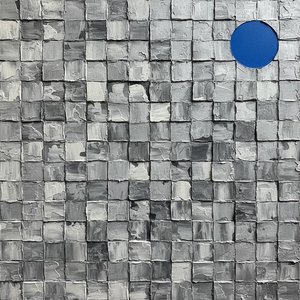
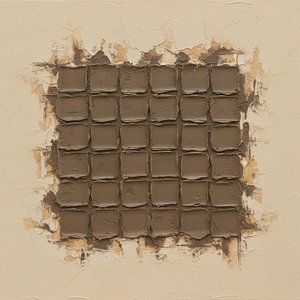
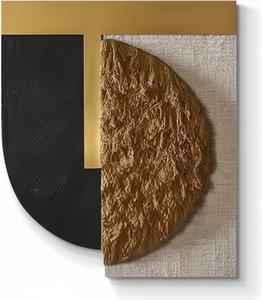
The current trend forecast points toward a "texture-first" approach. While flat prints have their place, the real impact comes from works with physical depth—pieces where you can see the ridges of the impasto and the way light catches a heavy brushstroke. Whether it is a monochrome geometric piece that provides a sophisticated, quiet backdrop or a vibrant, multi-colored explosion that serves as the room's heartbeat, abstraction allows for a level of customization that figurative art cannot match. It allows you to align your space with your personal color palette, using art to bridge the gap between structural design and emotional resonance.
Beyond the Canvas: Customizing Your Own Abstract Legacy
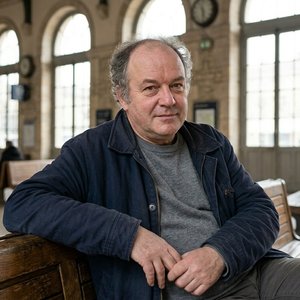 Christian Noiret
The Essence of Abstraction Born in 1964, Christian Noiret has emerged as a profound voice in the contemporary landscape, rooted in the rich cultural heritage of Lyon, France. His practice is defined by a rigorous modern non-representational visual ex...
The beauty of contemporary abstraction lies in its infinite capacity for remixing. At
Mus3ums.com, we believe that art should be as unique as your own identity. This is why we offer the ability to go beyond the original, allowing you to "remix" history through our professional services. Imagine taking a personal photograph—a milestone, a portrait, or a memory—and having it reimagined through the lens of an abstract master. Our
AI Masterpiece Transformation tool can reconstruct your images into Cubist or Pop Art styles, which can then be commissioned as a hand-painted oil masterpiece on 100% cotton canvas.
This is not just about decoration; it is about creating a lasting legacy. Through our custom reproduction process, you can request specific stylistic shifts—transforming a modern moment into something with the textured, light-drenched soul of an Impressionist work or the bold, graphic punch of a contemporary street art piece. With our
Professional Digital Mockup Service, you can see exactly how these colors and textures will interact with your walls before a single drop of paint touches the canvas. Whether it is a large-scale multi-panel set for a hotel lobby or a bespoke portrait that captures a loved one in an abstract, ethereal light, the goal is to move beyond the subject and create something truly high-impact.
For more on how to transform your space with bold, contemporary works, explore our collections at Mus3ums.com.