


The Eternal Canvas: Art as a Vessel for Human History
To gaze upon a masterpiece is to engage in a silent dialogue with the past, an encounter that transcends the mere observation of pigment on canvas. Throughout the centuries, art has functioned as much more than aesthetic decoration; it has served as the primary vessel for our collective human memory. When we stand before the sweeping landscapes or the profound portraits of antiquity, we are not simply viewing a depiction of a moment, but rather witnessing the preservation of an era’s soul. Every brushstroke carries the weight of historical context, capturing the triumphs, the tragedies, and the subtle shifts in societal values that define our species.
The endurance of these works lies in their ability to freeze time, offering a window into worlds that have long since vanished. A single portrait can encapsulate the political tensions of a Renaissance court, while a vast seascape might whisper the maritime ambitions of an age of discovery. This continuity allows us to trace the evolution of human thought and emotion across generations. By preserving these visual narratives, we ensure that the triumphs of our ancestors remain palpable, preventing the erosion of identity that often accompanies the relentless march of time.
Echoes of the Old Masters: Preserving Technique and Tradition
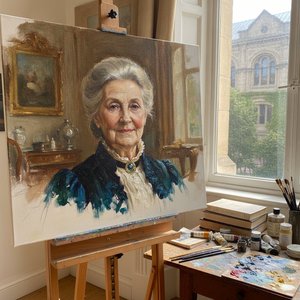
The true magic of classical art resides in the meticulous mastery of technique—a sacred lineage of skill passed down through centuries of academic excellence. The Old Masters did not merely paint; they engineered light, texture, and depth through a disciplined application of science and artistry. Consider the profound impact of chiaroscuro, where the dramatic interplay between shadow and illumination creates a sense of three-dimensional reality that breathes life into the subject. This technical rigor, characterized by the patient layering of glazes and the careful preparation of heavy-duty cotton canvases, forms the backbone of our artistic heritage.
Preserving these traditions requires more than just keeping old canvases in climate-controlled vaults; it demands a commitment to the revival of the methods themselves. The use of premium pigments with high lightfastness and the application of multiple layers of oil paint to build tactile, impasto textures are practices that honor the original intent of the masters. When we celebrate these techniques, we are celebrating the human capacity for precision and devotion. It is through this dedication to craftsmanship—ensuring that the visible, tactile brushstrokes remain as vibrant today as they were centuries ago—that the spirit of the masters continues to resonate in the modern era.
Cultural Continuity: How Masterpieces Bridge Eras and Borders
Art possesses a unique, borderless language that allows it to act as a bridge between disparate cultures and eras. A masterpiece born in the vibrant traditions of Mexican folk art or the refined landscapes of East Asia carries with it a cultural DNA that can be understood far beyond its geographic origin. These works serve as ambassadors of identity, fostering a sense of global interconnectedness. When we encounter the rich textures of regional traditions, we are invited to participate in a shared human experience that defies linguistic and political boundaries.
This continuity is vital for maintaining a sense of stability in an increasingly fragmented world. As societies evolve, the presence of classical motifs and historical styles provides a cultural anchor. The ability to recognize the light-drenched essence of Impressionism or the structured grandeur of Baroque art allows individuals from different backgrounds to find common ground. In this way, masterpieces do not merely represent the past; they actively participate in the construction of a global heritage, weaving together the disparate threads of human history into a single, magnificent tapestry.
The Living Archive: Modern Interpretations of Classical Legacies
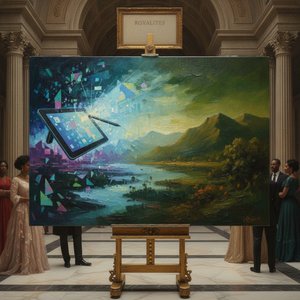
While we revere the antiquity of the masters, the legacy of art is not a static relic; it is a living, breathing archive that continues to expand through modern interpretation. Today, we find ourselves at a fascinating intersection where technology and tradition converge. The ability to reimagine historical styles—transforming contemporary imagery into the light-drenched aesthetics of Monet or the dramatic intensity of Rembrandt—allows us to keep the classical spirit relevant in a digital age. This is not an act of imitation, but one of evolution, ensuring that the vocabulary of the Old Masters remains part of our current visual lexicon.
Modernity offers us tools to bridge the gap between the museum and the home, allowing for the democratization of beauty. Through advanced printing sciences like Giclée, which utilizes 12-color pigment-based inks for incredible longevity, and the creative potential of digital restructuring, we can bring the grandeur of the Sistine Chapel or the intimacy of a Dutch portrait into contemporary living spaces. This ongoing dialogue between the old and the new ensures that art remains a dynamic force, capable of absorbing modern perspectives while remaining rooted in the profound foundations of historical excellence.
Beyond the Frame: The Role of Art in Sustaining Global Identity
Ultimately, the significance of masterpiece artworks extends far beyond the physical confines of their frames. They are the pillars upon which our global identity is built. To curate a collection of art, whether through large-scale architectural murals or intimate custom commissions, is to participate in the ongoing act of cultural preservation. Art challenges us to look deeper, to find meaning in the shadows, and to recognize ourselves in the faces of those painted long ago.
As we move into a future defined by rapid change, the role of art as a stabilizer becomes even more critical. By valuing the craftsmanship of the past and embracing the creative possibilities of the present, we protect the essence of what it means to be human. The preservation of these legacies is a collective responsibility—a commitment to ensuring that the beauty, the wisdom, and the profound emotions captured by the masters continue to inspire, educate, and unite the world for generations to come.
For those seeking to bring this enduring legacy into their own lives, Mus3ums.com offers an unparalleled gateway to art history. From meticulously handcrafted oil reproductions that capture the very soul of the Old Masters to museum-quality Giclée prints and bespoke custom commissions, we specialize in making the world's greatest treasures accessible to all. Whether you wish to transform a personal memory into a masterpiece or adorn your space with the grandeur of classical landscapes, our dedication to academic excellence and technical precision ensures that every piece is a timeless investment in culture.