Francisco José de Goya y Lucientes

1746 - 1828

{# No brand feature-page sidebar (Commission/Spectral Index/Chronicle/ Mood Room/Palette Genome/3D Museum/Subject Atlas) here: none of these exist in mus3ums's scope — see DOC_MISC_SITES.md §3. #}

Kurzbiografie

  • Creative periods: mature period
  • Room fit: wohnbereich
  • Copyright status: Public domain
  • Works on APS: 1216
  • Vibe:
    • dramatisch
    • romantisch
  • Topics explored:
    • goya
    • spanish art
    • people
    • romanticism
    • portraiture
  • Nationality: Spanien
  • Museums on APS:
    • Museum of Fine Arts
    • National Gallery
    • Hispanisches Gesellschafts-Museum – Bibliothek
    • Kimbell Art Museum
    • Louvre
  • Born: 1746, Fuendetodos, Spanien
  • Corpus themes:
    • social critique
    • human suffering
    • psychological depth
    • goya’s romantic vision
    • social commentary
  • Mediums:
    • acryl auf leinwand
    • öl auf leinwand
  • Mehr Details anzeigen
  • Also known as: Goya
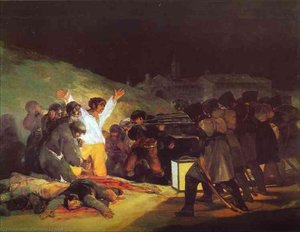
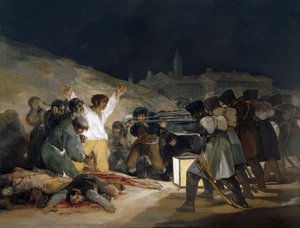
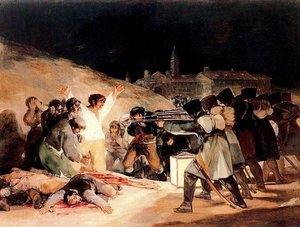
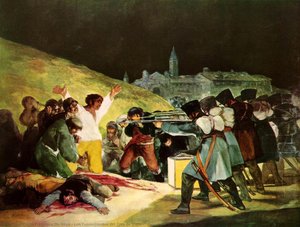
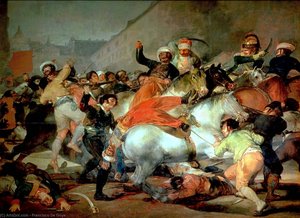
  • Top-ranked work: Die Dreizehnte von Mai 1808 – Die Hinrichtung der Verteidiger Madrids
  • Art period: Frühe Neuzeit
  • Died: 1828
  • Movements: romanticism
  • Best occasions:
    • akzentuierung
    • statement-piece
  • Lifespan: 82 years
  • Gift suitability: sonstige/keine
  • Typical colors: erdig
  • Color intensity:
    • ausgewogen
    • monochrom
  • Emotional tone: melancholisch

Kunst-Quiz

Jede Frage hat nur eine richtige Antwort.

Frage 1:
In welchem spanischen Stadt wurde Francisco Goya geboren?
Frage 2:
Was bedeutete die Krankheit von 1793 für Goya und seine künstlerische Entwicklung?
Frage 3:
Welche Serie von Kupferstichen ist bekannt für ihre satirischen Darstellungen der spanischen Gesellschaft?
Frage 4:
Wie wird Goya oft beschrieben, um seine Bedeutung in der Kunstgeschichte hervorzuheben?
Frage 5:
Welches Thema wurde besonders intensiv von Goyas Gemälden untersucht?

Francisco José de Goya y Lucientes

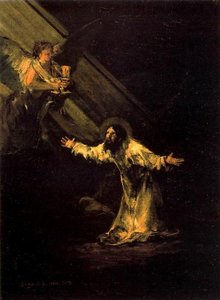
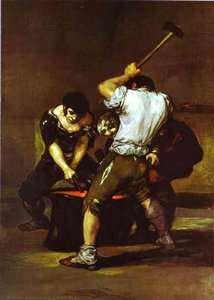
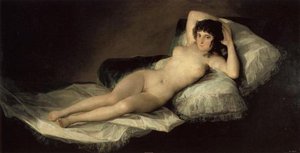
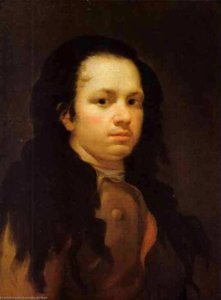
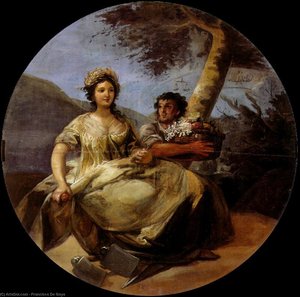
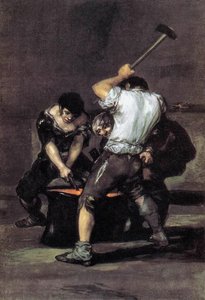
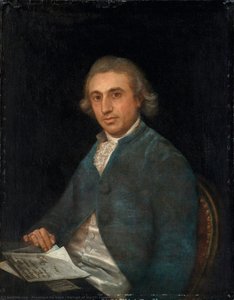
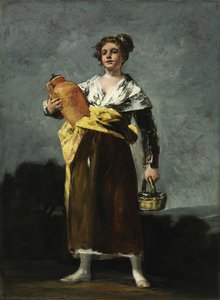
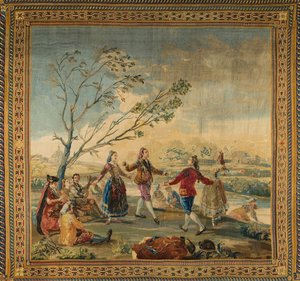
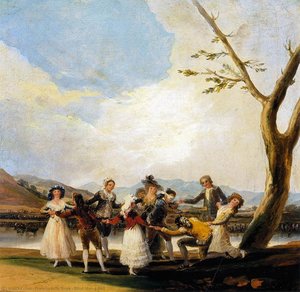
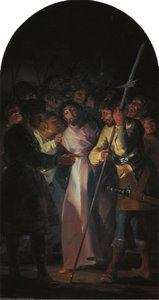
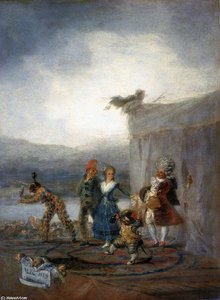
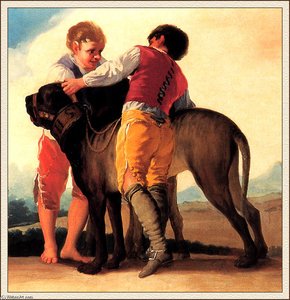
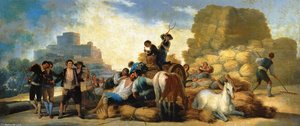
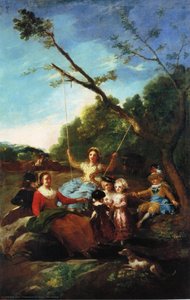
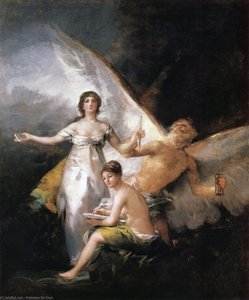
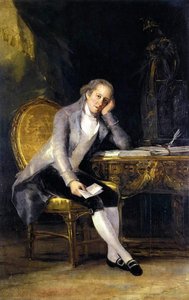
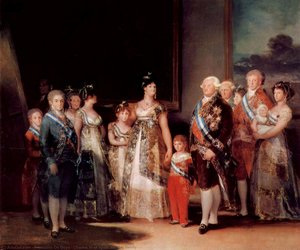
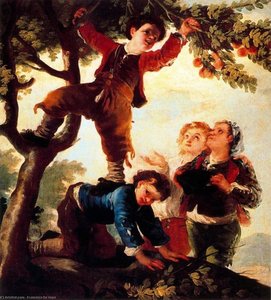
Francisco José de Goya y Lucientes, a name synonymous with both the grandeur of Old Master tradition and the unsettling premonitions of modern art, remains one of history’s most compelling and enigmatic figures. Born in 1746 in Fuendetodos, Spain, his journey from aspiring provincial artist to court painter, and ultimately, to a visionary chronicler of human suffering and societal decay, is a testament to both his extraordinary talent and the turbulent times he inhabited. Goya’s early training began at age fourteen under José Luzán y Martinez, laying a foundation in traditional techniques before he moved to Madrid and refined his skills with Anton Raphael Mengs, then the dominant artistic force at the Spanish court. This initial period instilled in him a mastery of form and composition, evident in his early commissions – designs for tapestries that showcased lively scenes of everyday life, reflecting a Rococo sensibility tempered by a distinctly Spanish realism. Marriage to Josefa Bayeu, sister of another painter within the royal circle, further cemented his position within the artistic establishment. These early works, while charming and skillfully executed, offered little hint of the profound emotional depth and unsettling darkness that would come to define his later oeuvre.

Early Training and Career

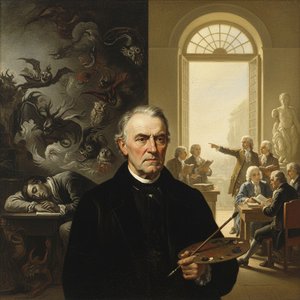
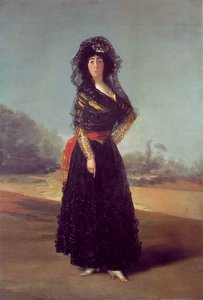
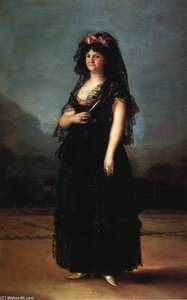
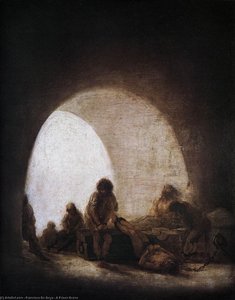
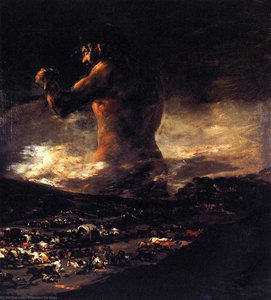
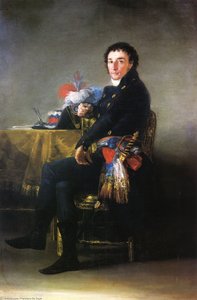
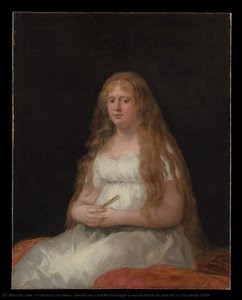
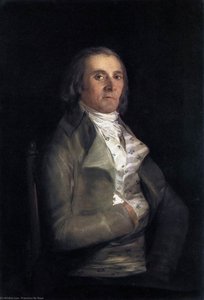
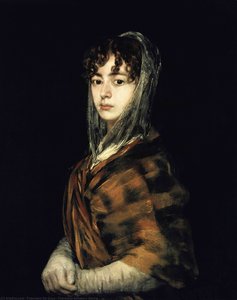
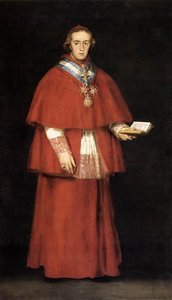
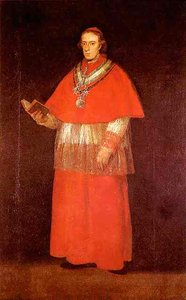
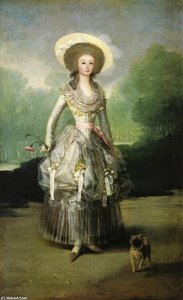
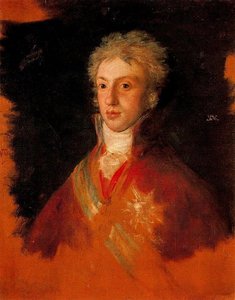
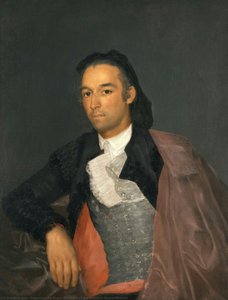
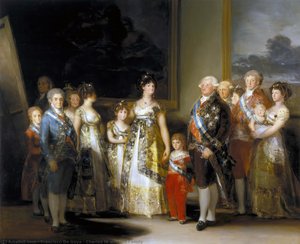
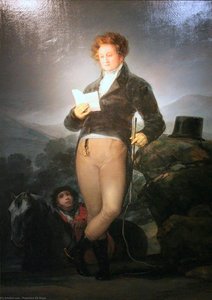
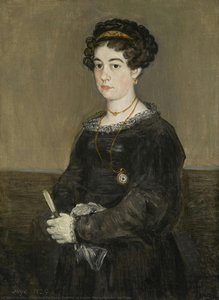
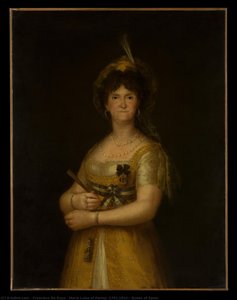
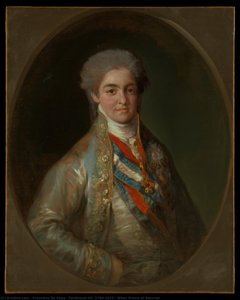
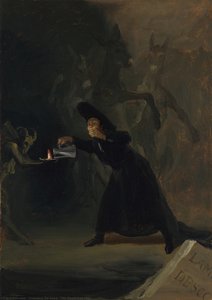
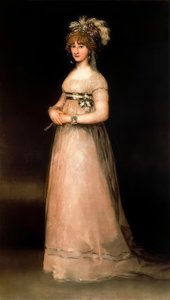
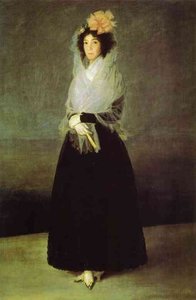
Goya’s ascent through the ranks of the Spanish court was steady. He became a painter to the Royal Chamber in 1786, securing a stream of portrait commissions from the aristocracy and royalty. These portraits are remarkable not merely for their technical brilliance – Goya possessed an uncanny ability to capture likeness with unflinching honesty – but also for their psychological insight. He didn’t simply paint what his sitters *looked* like; he revealed something of their character, their vulnerabilities, and even their hidden anxieties. However, beneath the veneer of courtly success, a transformation was brewing within Goya. In 1793, a severe illness left him profoundly deaf, an event that irrevocably altered his perception of the world and, consequently, his art. This affliction plunged him into a period of intense introspection and isolation, severing his connection to the social life he once enjoyed and forcing him inward, towards a darker, more subjective reality. The shift in his artistic style was dramatic. Gone were the bright colors and cheerful scenes; in their place emerged a brooding palette, loose brushwork, and compositions charged with emotional intensity. He began to explore themes of madness, violence, and the irrational, foreshadowing the anxieties that would grip Europe in the coming decades.

Los Caprichos, Disasters, and Black Paintings: A Descent into Darkness

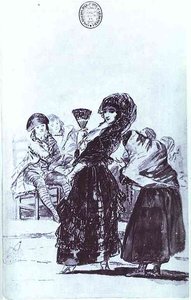
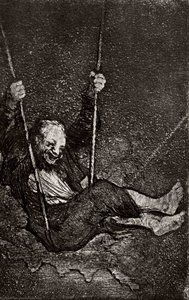
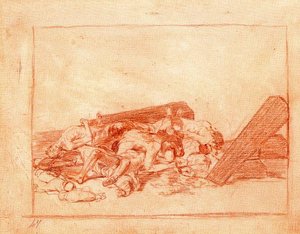
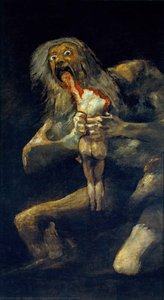
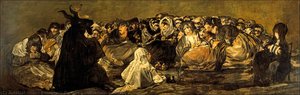
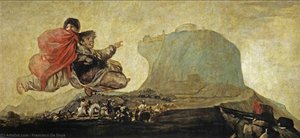
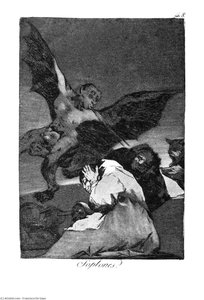
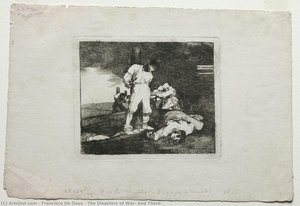
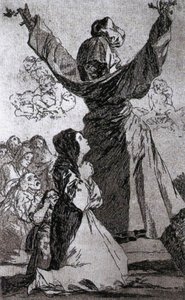
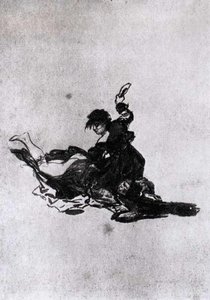
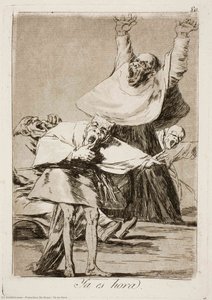
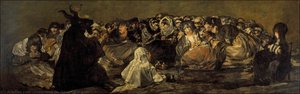
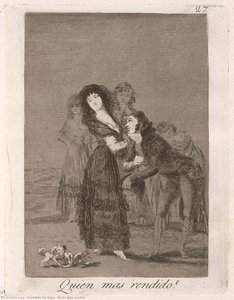
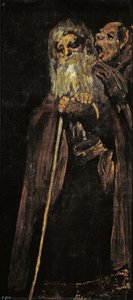
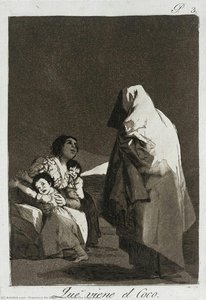
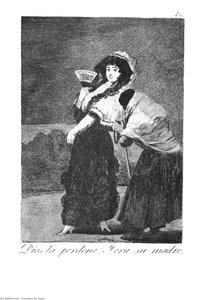
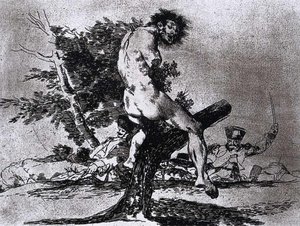
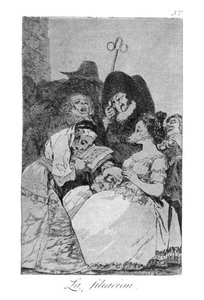
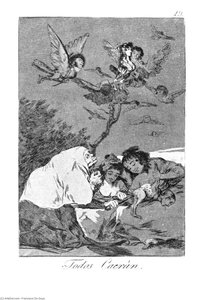
This period of artistic ferment culminated in some of Goya’s most iconic works. Los Caprichos, a series of eighty etchings published in 1799, are a scathing satire of Spanish society – its follies, superstitions, and moral corruption laid bare with unflinching wit and biting irony. The images are grotesque yet captivating, populated by witches, monsters, and caricatures of the aristocracy, all rendered with a masterful command of etching techniques. They are not heroic depictions of battle; they are unflinching portrayals of its horrors, devoid of any romanticism or glorification. Perhaps most unsettling of all were The Black Paintings, a series of fourteen murals Goya painted directly onto the walls of his house, “Quinta del Sordo” (the Deaf Man’s Villa), between 1819 and 1823. These works – including the terrifying *Saturn Devouring His Son* and the haunting *Asmodea* – are a descent into the darkest recesses of the human psyche, expressing themes of despair, madness, and existential dread with unparalleled intensity.
Legacy: A Bridge Between Worlds

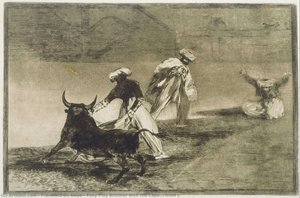
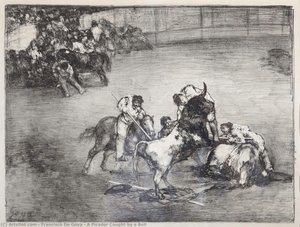
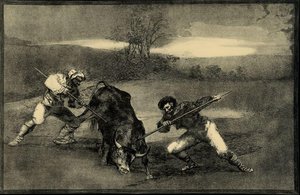
In 1824, disillusioned by political unrest in Spain, Goya sought exile in Bordeaux, France, where he continued to work until his death in 1828. His final years were marked by a renewed focus on printmaking, culminating in the *La Tauromaquia* series, which explored the spectacle and brutality of bullfighting. Francisco Goya’s legacy is immense and far-reaching. He stands as a pivotal figure in art history, bridging the gap between the Old Masters and the modern movement. His influence can be seen in the works of countless artists who followed – from Édouard Manet and Pablo Picasso to Francis Bacon – all drawn to his expressive brushwork, psychological depth, and willingness to confront uncomfortable truths. He challenged artistic conventions, embraced innovation, and dared to explore the darker aspects of human experience, leaving behind a body of work that continues to resonate with audiences today. Goya wasn’t merely painting pictures; he was holding up a mirror to society, forcing us to confront our own flaws and vulnerabilities, and reminding us of the enduring power – and fragility – of the human spirit.


© 2026 mus3ums.com