


Introduction
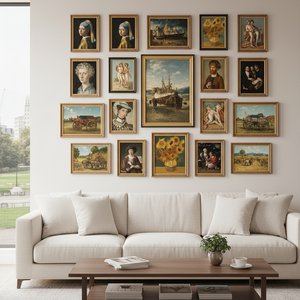
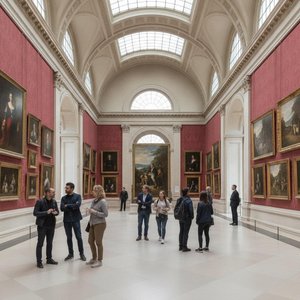
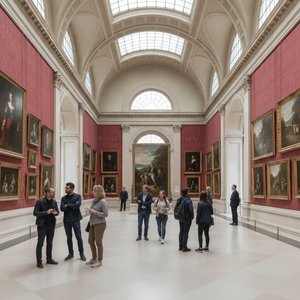
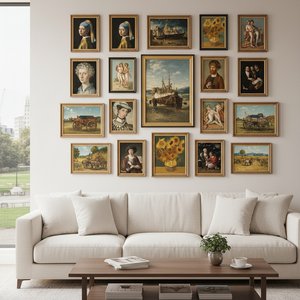
To walk through the halls of the Tate Gallery in London is to trace the very pulse of British creativity across six centuries. Situated along the gentle curve of the Thames, this institution serves as more than just a repository for canvas and pigment; it is a living chronicle of a nation’s evolving soul. From the stately, neoclassical grandeur of its original 1897 foundations to the daring, postmodern interventions of the Clore Gallery, the space itself prepares you for a journey that moves seamlessly from the meticulous traditions of the Tudor era to the bold, disruptive energy of contemporary modernism.
The masterpieces housed within these walls do not merely exist as historical artifacts; they breathe with a relevance that transcends their era. Whether it is the profound emotional depth found in a Victorian landscape or the radical, shape-shifting perspectives of the 20th-century avant-garde, these works continue to challenge our perceptions of light, identity, and social change. They remain meaningful today because they capture the universal human experience—the tension between tradition and innovation, and the eternal search for meaning in a shifting world.
In this curated selection, we invite you to step into the gallery’s most significant dialogues. We have identified 25 essential artworks that define the Tate’s incomparable collection—pieces that have shaped the trajectory of art history and continue to command the attention of collectors and scholars alike. As you move through this list, prepare to encounter works that are as much about the artist's personal struggle as they are about the cultural milestones of the United Kingdom.
Mandola - Georges Braque
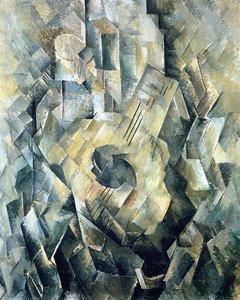 Mandola - Georges Braque
In Georges Braque’s Mandola , light does not merely illuminate a subject; it is deconstructed and recomposed into a rhythmic, visual language. As one of the most significant works within the Tate Gallery's collection, this 1910 masterpiece serves as a cornerstone of Analytical Cubism. Braque does not paint the instrument so much as he orchestrates its essence, fracturing the mandola into a complex interplay of geometric planes and muted ochres, grays, and earthy browns.
To stand before this canvas is to witness the moment traditional perspective shattered. The artist avoids vibrant distractions, choosing instead a disciplined palette that allows the viewer to focus on the structural soul of the piece. Each overlapping facet and sharp angle invites you to engage in an intellectual dance, reconstructing the musical form from its fragmented parts. It is a profound exploration of perception where the boundaries between object and space dissolve. This painting does not just reflect light; it invents a new way of seeing, turning a static canvas into a dynamic, multi-dimensional experience that continues to resonate through the halls of modern art history.
Self Portrait with Bandaged Ear and Pipe - vincent willem van gogh
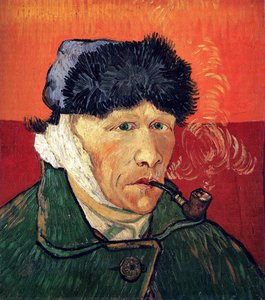 Self Portrait with Bandaged Ear and Pipe - vincent willem van gogh
In this profoundly moving masterpiece from the Tate Gallery’s collection, the lines of Self Portrait with Bandaged Ear and Pipe are not merely drawn; they are choreographed in a rhythmic struggle between stability and collapse. Painted in Arles in 1889, the work captures Vincent van Gogh in a moment of raw vulnerability following his famous physical and mental crisis. The composition is a dance frozen in time, where the thick, impasto brushstrokes create a tactile energy that vibrates with emotion.
The visual narrative is driven by a striking contrast: the artist’s pale, weary face is set against a fiery, swirling background of oranges and reds, mirroring an internal vortex of anxiety. The pipe held in his lips offers a fleeting sense of solace, while the bandage serves as a haunting symbol of his resilience. As you contemplate this essential piece among the top 25 artworks in Tate Gallery, London, consider how its intense color palette and textured depth could transform a modern space. What if your walls could breathe rhythm and hold that same delicate balance between chaos and harmony?
The Sleeping Venus - Paul Delvaux
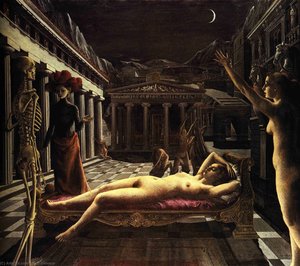 The Sleeping Venus - Paul Delvaux
To stand before Paul Delvaux’s The Sleeping Venus is to step directly into the fragile boundary between a dream and a nightmare. Created in 1944 amidst the profound anxieties of World War II, this masterpiece captures a hauntingly beautiful stillness that resonates with anyone who has ever felt the weight of mortality. The painting belongs among the top 25 artworks in Tate Gallery, London, because it transcends mere Surrealism; it is a psychological landscape where classical elegance meets the skeletal reality of death.
Delvaux utilizes a somber palette of deep reds, blacks, and creams, using dramatic chiaroscuro to illuminate a reclining nude figure surrounded by unsettling, symbolic figures. The tension between the architectural grandeur of the colonnade and the presence of the skeleton creates an emotional depth that remains unparalleled in modern art. At Mus3ums.com, we honor this profound legacy through our handmade oil reproductions. Our artists meticulously recreate Delvaux’s smooth blending and visible textures on 100% cotton canvas, allowing you to bring the evocative, dreamlike atmosphere of this Tate treasure into your own professional or private space with absolute fidelity.
The Lady of Shalott - John William Waterhouse
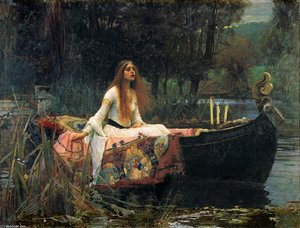 The Lady of Shalott - John William Waterhouse
In The Lady of Shalott by John William Waterhouse, the mastery of diffused, melancholic light serves as the emotional heartbeat of this Pre-Raphaelite masterpiece. The illumination is soft and atmospheric, filtering through dense foliage to cast a muted glow upon the central figure. This subtle play of light and shadow—a sophisticated use of chiaroscuro—highlights the luminous white of Elaine’s gown against the somber, deep greens and earthy browns of the riverbank. It is this precise command of luminosity that captures the tragic moment of her transition from isolation to destiny, securing its place among the top 25 artworks in Tate Gallery, London .
The painting’s ability to evoke profound longing through texture and tone makes it a cornerstone of Victorian art. When choosing a high-quality oil reproduction for a professional space, this interplay of light provides an unparalleled sense of depth and luxury. The visible brushstrokes and rich, layered pigments bring the haunting beauty of Waterhouse's vision to life, adding a sophisticated, historical dimension to any contemporary interior or corporate collection.
Carnation, Lily, Lily, Rose - John Singer Sargent
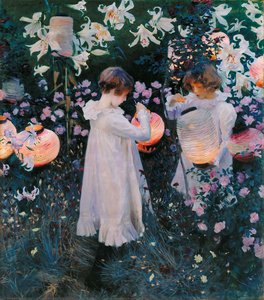 Carnation, Lily, Lily, Rose - John Singer Sargent
In Carnation, Lily, Lily, Rose , the lines of John Singer Sargent’s masterpiece aren’t merely drawn; they are choreographed . This is not a simple garden scene; it is a dance frozen in time , where the soft glow of Japanese lanterns meets the deepening purple of an English twilight. As one of the most captivating works within the top 25 artworks in Tate Gallery, London, Sargent captures a fleeting moment of childhood innocence that feels both intimate and eternal.
The composition breathes with a rhythmic vitality, as the white dresses of the young subjects catch the light amidst a lush, textured riot of flora. The brushwork is loose and expressive, making the petals and foliage feel as though they are swaying in a gentle evening breeze. This painting does more than depict a memory; it invites you to experience the atmosphere of dusk. What if your own walls could breathe rhythm ? By bringing this sense of luminous balance into your space, you capture that same harmony between nature’s beautiful chaos and quiet, prestigious tranquility.
Autumn Cannibalism - Salvador Dalí
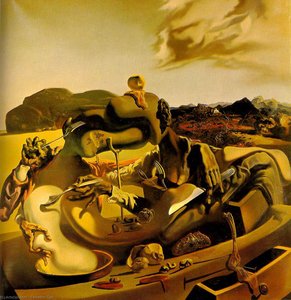 Autumn Cannibalism - Salvador Dalí
While many associate Salvador Dalí with the iconic melting clocks of his later years, 1936 marked a period of profound psychological intensity, where he sought to physically manifest the anxieties of the subconscious. In Autumn Cannibalism , Dalí achieves a staggering conceptual leap, utilizing a square format to trap the viewer within a claustrophobic, dreamlike landscape. The painting presents a distorted, amorphous face that seems to dissolve into the very earth it inhabits, surrounded by unsettling symbols like scattered utensils and organic, melting forms.
The technical mastery is evident in his use of warm, earthy tones—deep browns, ochres, and soft beiges—which create a deceptive sense of familiarity before the surreal imagery disrupts the senses. This interplay of meticulous detail and illogical composition makes it one of the most significant pieces among the top 25 artworks in Tate Gallery, London . Much like the focused energy required to navigate such complex imagery, bringing a piece of this caliber into a professional study can inspire a sophisticated, contemplative atmosphere, perfect for fostering deep concentration and creative problem-solving in a modern home office.
Of This Men Shall Know Nothing - Max Ernst
 Of This Men Shall Know Nothing - Max Ernst
In Of This Men Shall Know Nothing by Max Ernst, the eye is immediately drawn to the masterful, layered application of oil on canvas, where subtle impasto and smooth, deliberate brushstrokes create a palpable sense of depth. The texture of the work allows the muted tones of beige, brown, and gray to merge seamlessly with the luminous, cool blue of the central celestial sphere, evoking an atmosphere of profound mystery. This 1923 masterpiece, a cornerstone of the Tate Gallery’s collection, captures the pivotal transition from Dadaist chaos to Surrealist introspection through its unsettling, dreamlike composition of suspended humanoid figures and alchemical motifs.
At Mus3ums.com, we specialize in preserving this exact tactile, three-dimensional quality for your private collection. Our hand-painted oil reproductions are meticulously crafted to honor the visible brushwork and tonal range found in Ernst’s original, ensuring that the enigmatic energy of this top 25 artwork is brought into your space with all its physical soul and structural integrity intact.
Saint Catherine - Dante Gabriel Rossetti
 Saint Catherine - Dante Gabriel Rossetti
Acquiring a piece inspired by Saint Catherine by Dante Gabriel Rossetti is an investment in the enduring legacy of the Pre-Raphaelite movement and a profound statement of refined taste. As one of the top 25 artworks in the Tate Gallery, London, this 1857 masterpiece serves as a cornerstone of British art history, commanding immense respect in both academic circles and the high-end art market due to its symbolic complexity and vibrant execution.
The painting is a sensory triumph, pulling the viewer into a dreamlike realm of saturated crimsons, golden yellows, and lush verdant greens. Rossetti rejects academic flatness, instead utilizing meticulous brushstrokes to render the heavy textures of medieval drapery and the serene, luminous skin of the Saint. The composition, rich with symbols of martyrdom and divine grace, offers a depth of narrative that transcends time. For the modern collector, this work provides unparalleled aesthetic authority; a high-quality oil reproduction brings this same sense of historical prestige and soulful luxury to contemporary interior design, anchoring a room with much more than mere decoration.
Elohim Creating Adam - William Blake
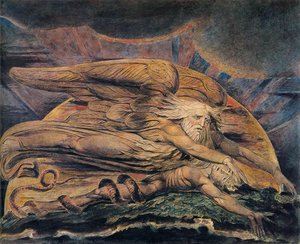 Elohim Creating Adam - William Blake
In the profound depths of the Tate Gallery’s collection, William Blake’s 1795 watercolor, Elohim Creating Adam , stands as a cornerstone of the museum's top 25 artworks. This is not merely a biblical illustration; it is a visceral encounter with the divine. There is a gaze in Elohim Creating Adam by William Blake that follows you—not with judgment, but with an intense, cosmic understanding . The painting pulses with a dynamic energy, where the swirling clouds and dramatic lighting evoke a moment of pure, primordial chaos transitioning into order.
As you observe the angelic figure reaching toward the prone, vulnerable Adam, the work ceases to be a mere historical artifact; it becomes a mirror reflecting our own nascent potential. The delicate watercolor washes capture the movement of creation itself, inviting you to contemplate the intersection of spirit and matter. Now, imagine that transformative energy in your own space. Not watching you, but reminding you : you are seen. You are part of this eternal story.
Flatford Mill (detail) - John Constable
 Flatford Mill (detail) - John Constable
Step into the dappled sunlight of 1817 with John Constable’s Flatford Mill (detail) , a work that breathes the very soul of the English countryside into the halls of the Tate Gallery, London. As you gaze upon this masterpiece, you are not merely looking at a riverside scene; you are witnessing a profound meditation on nature's enduring grace amidst the dawn of the Industrial Revolution. The canvas vibrates with a luminous energy, achieved through Constable’s masterful layering of thin glazes that allow light to shimmer across the River Stour like liquid silver.
The atmosphere is thick with the scent of damp earth and the quiet rhythm of rural life—a lone horseman, drifting boats, and the subtle presence of a dog create a sense of domestic tranquility. The interplay of soft, diffused clouds and bright, reflective water evokes a deep sense of peace. For those seeking to bring a moment of timeless reflection into a modern interior, this painting offers more than decoration; it provides a window into a serene, pastoral world, inviting calm and creative inspiration into any professional or residential space.
Victoria - Amedeo Clemente Modigliani
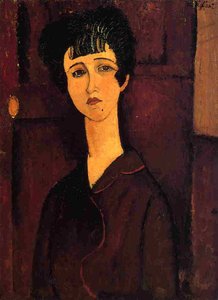 Victoria - Amedeo Clemente Modigliani
In Amedeo Modigliani’s Victoria , a profound sense of melancholy is anchored by deep, obsidian blacks and muted, earthy tones that cast a veil of quiet introspection over the canvas. This mastery of a somber, restricted palette is precisely why this piece stands as one of the top 25 artworks in Tate Gallery, London . Modigliani does not merely use color; he employs it to sculpt emotion, using light and shadow to create an atmosphere of hauntingly beautiful vulnerability. The subtle interplay of chiaroscuro brings a sculptural depth to the subject, making the figure feel both present and enigmatically distant.
For professionals managing large-scale interior projects, such as hotel lounges or sophisticated corporate suites, the color scheme of Victoria offers a blueprint for high-end atmosphere curation. Integrating similar deep tones and soft, directional lighting can evoke a sense of prestige and calm. Whether through custom oil reproductions or curated print selections, utilizing this moody, Expressionist aesthetic allows designers to create spaces that feel grounded, timeless, and intellectually stimulating.
Joan of Arc - Dante Gabriel Rossetti
 Joan of Arc - Dante Gabriel Rossetti
In the vast collection of the Tate Gallery, London, few works capture the intersection of spiritual devotion and tragic destiny as poignantly as Joan of Arc by Dante Gabriel Rossetti. This 1864 masterpiece transcends mere historical portraiture, offering a profound meditation on the weight of divine calling. Rather than presenting the French heroine in the heat of battle, Rossetti invites us into a moment of quiet, melancholic introspection. The viewer is drawn to her upward gaze—a search for celestial guidance—and the heavy, polished steel of the sword she clasps with solemnity.
As a cornerstone among the top 25 artworks in Tate Gallery, London, this piece exemplifies the Pre-Raphaelite obsession with medieval symbolism and meticulous realism. The luminous skin tones and rich, textured fabrics create a sensory experience that feels remarkably modern; its themes of internal struggle and the burden of leadership resonate deeply within contemporary discussions on identity and sacrifice. Through soft, diffused lighting and intense emotional depth, Rossetti transforms a historical figure into an eternal symbol of faith amidst inevitable martyrdom.
Proserpine - Dante Gabriel Rossetti
 Proserpine - Dante Gabriel Rossetti
Behind the haunting gaze of Dante Gabriel Rossetti’s Proserpine lies a profound personal connection; the subject is modeled after Jane Morris, the artist's muse and the wife of his close friend, creating a tension between beauty and forbidden longing. As one of the most significant works among the top 25 artworks in Tate Gallery, London , this 1874 oil masterpiece captures the goddess of spring suspended in the somber stillness of the underworld. Rossetti utilizes a rich, saturated palette—deep blues, verdant greens, and the symbolic pomegranate-tinted shadows—to evoke a sense of heavy, atmospheric mystery.
The technical mastery is evident in the way light grazes her fair skin and the tactile texture of her flowing garments, anchoring the mythological tragedy in a tangible, human reality. The interplay of light and shadow creates a quiet prestige that transcends time. For the professional seeking to curate a sophisticated atmosphere, integrating a high-quality reproduction of this Pre-Raphaelite icon into a modern study or home office provides a focal point of deep introspection and intellectual gravity, inspiring a workspace defined by elegance and focused ambition.
Nebuchadnezzar - William Blake
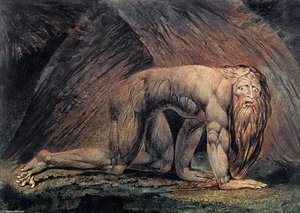 Nebuchadnezzar - William Blake
In William Blake’s Nebuchadnezzar , the lines aren’t merely drawn; they are choreographed in a heavy, rhythmic dance of spiritual crisis. As one of the most profound pieces within the top 25 artworks in Tate Gallery, London, this work transcends simple biblical illustration to become a study of human vulnerability. The composition captures the Babylonian King in a moment of agonizing supplication, his hands pressed against the earth as if trying to anchor a soul adrift in doubt.
The atmosphere is thick with the texture of shadows and the weight of isolation. Blake uses masterful tonal gradations to create a cave-like setting that feels both claustrophobic and sacred. The interplay between the distressed figure and the ethereal presence of celestial messengers creates a visual tension—a movement where chaos begins to find harmony. For those looking to bring this same sense of profound introspection and quiet prestige into a professional space, this masterpiece serves as a reminder that even in the deepest shadows, there is a searching, beautiful light. It is a work that allows a room to breathe rhythm through its raw, emotional depth.
A Lane near Flatford - John Constable
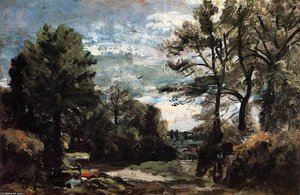 A Lane near Flatford - John Constable
To stand before John Constable’s A Lane near Flatford is to experience a profound moment of stillness, as if the humid, breathing air of the Suffolk countryside has been captured in time. This masterpiece, a cornerstone of the top 25 artworks in Tate Gallery, London, invites the viewer into the heart of the Romantic era. Through a landscape of muted greens and earthy ochres, Constable depicts a quiet lane where a solitary figure and his dog wander beneath ancient, sturdy trees, their branches heavy with the weight of shifting clouds.
The painting earns its prestigious place through its revolutionary technique; the use of thick impasto brushstrokes creates a tactile vitality that allows light to dance across the rugged bark and lush foliage. It is not merely a landscape, but an emotional study of weather and movement. For the modern professional or collector, such a work serves as a meditative anchor, bringing the restorative, serene power of the English pastoral into contemporary spaces, offering a sense of peace that transcends centuries of digital noise.
The Little White Girl Symphony in White, No. 2 - James Abbott McNeill Whistler
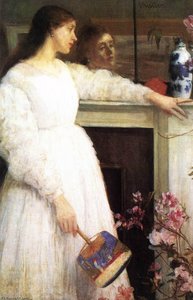 The Little White Girl Symphony in White, No. 2 - James Abbott McNeill Whistler
In the vast collection of the Tate Gallery, London, few works capture the ethereal essence of the Aesthetic movement as profoundly as The Little White Girl Symphony in White, No. 2 by James Abbott McNeill Whistler. This 1864 masterpiece transcends traditional portraiture, offering instead a sensory experience defined by tonal harmony and quietude. As one of the top 25 artworks in the Tate, it stands as a testament to Whistler’s 'art for art's sake' philosophy, where the focus shifts from narrative storytelling to the pure, rhythmic interplay of light and color.
The composition presents an intimate tableau: a woman lost in her reflection before a mirror, accompanied by a companion holding a delicate blue basket. The subtle, luminous layers of pigment create a soft, atmospheric glow that feels remarkably modern. For today's interior designers and collectors, this painting offers a masterclass in monochromatic elegance; its muted palette and serene mood provide a sophisticated blueprint for creating tranquil, high-end spaces that prioritize visual harmony and timeless grace.
Still Life with Water Jug - Paul Cézanne
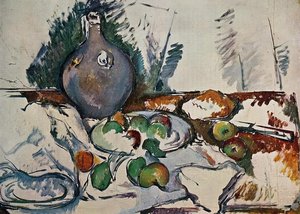 Still Life with Water Jug - Paul Cézanne
What story does the quiet, domestic stillness of Still Life with Water Jug by Paul Cézanne tell about the moment art moved toward modernity? Painted in 1893, this masterpiece emerged from a period of intense artistic transition, where the fleeting light of Impressionism began to solidify into something more structural and permanent. As one of the top 25 artworks in Tate Gallery, London, it serves as a bridge between eras, moving away from mere optical reality toward a profound exploration of geometric form.
Cézanne uses a palette of deep blues and earthy tones, applying paint in distinct, rhythmic brushstrokes that create a tactile, impasto texture. The arrangement of the blue jug and vibrant fruit is not just a study of objects, but a construction of space itself. For those seeking to curate an atmosphere of contemplative elegance in modern home decor, this piece offers a sophisticated escape. Its ability to transform the mundane into something monumental makes it a timeless selection for collectors looking to bring a sense of historical depth and intellectual weight to their professional or private spaces.
Hecate or the Three Fates - William Blake
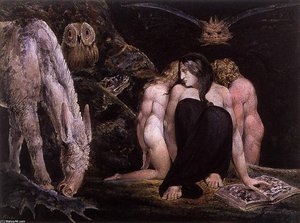 Hecate or the Three Fates - William Blake
In Hecate or the Three Fates by William Blake, a profound sense of melancholy is established through a dominant palette of deep blacks and somber browns. This dark, atmospheric foundation creates a weightiness that pulls the viewer into a mystical realm where the boundaries between life and death blur. The stark, luminous white of the central figure's garments provides a striking contrast, a masterful use of light and shadow that secures its place among the top 25 artworks in Tate Gallery, London . Blake’s ability to manipulate these heavy tones alongside delicate, sculptural lines transforms a mythological scene into an intimate, emotional experience.
For those looking to curate a sophisticated interior, this painting offers incredible inspiration for creating a moody, contemplative atmosphere. The dramatic interplay of light and dark can be mirrored in modern dining rooms or executive offices through the use of charcoal accents, matte textures, and focused spotlighting. Integrating the somber elegance of Blake’s vision allows a space to feel grounded, timeless, and intellectually stimulating.
Malvern Hall in Warwickshire - John Constable
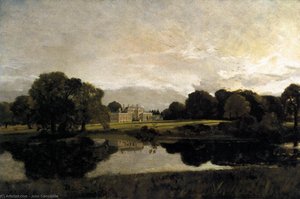 Malvern Hall in Warwickshire - John Constable
Step into the quietude of 1809 with John Constable’s Malvern Hall in Warwickshire , a masterpiece that captures a fleeting moment of English pastoral perfection. As you stand before this oil on canvas within the Tate Gallery, London, the atmosphere shifts; you are no longer in a museum, but beside a serene, reflective lake where the air feels heavy with the scent of damp earth and ancient trees. Constable employs his signature expressive brushwork to render the light dancing across the water, while birds in flight add a rhythmic, living pulse to the tranquil composition.
This work stands out among the top 25 artworks in Tate Gallery because it transcends mere landscape painting to become an emotional study of peace. The subtle gradations of color—from the deep, lush greens of the foreground to the hazy, ethereal tones of the distant architecture—create a profound sense of depth. In a modern, fast-paced interior, such a piece serves as a window to stillness, offering a sophisticated focal point that inspires reflection and brings the restorative power of nature into the home.
Sancta Lillias - Dante Gabriel Rossetti
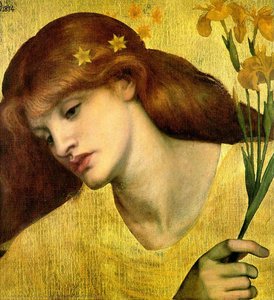 Sancta Lillias - Dante Gabriel Rossetti
In the hallowed halls of the Tate Gallery, London, few works possess the hypnotic pull of Sancta Lillias by Dante Gabriel Rossetti. There is a gaze in this 1874 masterpiece that follows you—not with judgment, but with an profound understanding . This isn’t merely a portrait; it is a mirror reflecting the dreamlike depths of the Pre-Raphaelite soul. As you stand before it, the vibrant, fiery red hair and the luminous crown of yellow flowers seem to pulse with a life of their own, creating an atmosphere of ethereal serenity intertwined with a delicate melancholy.
Rossetti’s technique invites you into a sensory immersion where every petal and glint of light tells a story of purity and spiritual grace. The subject's downward gaze acts as a silent invitation to contemplation, making the invisible emotions of the Victorian era visible once more. Now, imagine that transformative gaze in your own space. Not watching you, but reminding you : you are seen. You are part of this enduring story of beauty and symbolism.
Undine Giving the Ring to Massaniello, Fisherman of Naples - Joseph Mallord William Turner
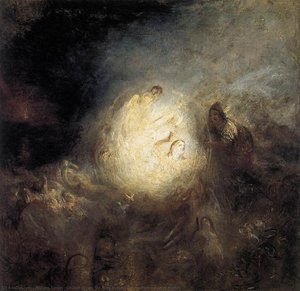 Undine Giving the Ring to Massaniello, Fisherman of Naples - Joseph Mallord William Turner
What story does the atmospheric background of Undine Giving the Ring to Massaniello, Fisherman of Naples by J.M.W. Turner tell? Beyond the central figures, the painting breathes with the humid, salt-sprayed energy of a Mediterranean twilight, where the boundaries between myth and reality dissolve. This masterpiece emerged from the height of British Romanticism, breaking ground by prioritizing emotional truth and the raw power of light over rigid anatomical precision. Turner utilizes thick impasto brushstrokes and a deep palette of oceanic blues and shimmering golds to capture a moment of profound tension: a water nymph offering a token of destiny to a revolutionary leader.
For those seeking to curate a sophisticated escape within modern interior design, this work offers an unparalleled sense of historical depth. Integrating such a piece into a professional or residential space evokes a timeless connection to the sublime, transforming a room into a portal for contemplation. As one of the top 25 artworks in Tate Gallery, London , it remains a definitive example of how light and shadow can evoke the very soul of history.
Ecce Ancilla Domini! - Dante Gabriel Rossetti
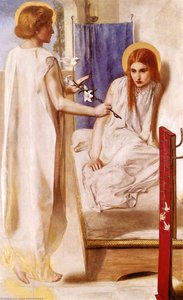 Ecce Ancilla Domini! - Dante Gabriel Rossetti
In the quiet corridors of the Tate Gallery, London, few works command the room with such haunting stillness as Dante Gabriel Rossetti’s 1850 masterpiece, Ecce Ancilla Domini! This cornerstone of Pre-Raphaelite art does not merely depict a scene; it composes a visual sonata of spiritual vulnerability. The light in this work is not simply illumination—it is a language of profound sorrow, washing over the pale, supine figure with a clarity that feels both divine and devastating.
Rossetti meticulously crafts a landscape of symbolism where every element speaks to mortality and faith. The muted, earthy palette and deliberate brushstrokes capture the weight of the moment, as the lily and the stark, white drapery contrast against the somber atmosphere of the Annunciation. As you stand before this painting, the light seems to invent its own depth, turning the canvas into a portal of reflection. It is a breathtaking study of innocence facing the inevitable, making it an essential highlight among the top 25 artworks in the Tate collection for any true connoisseur.
Hylda, Daughter of Asher and Mrs. Wertheimer - John Singer Sargent
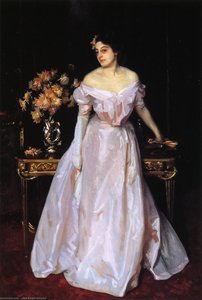 Hylda, Daughter of Asher and Mrs. Wertheimer - John Singer Sargent
While John Singer Sargent was renowned for the high-society drama of his portraits, Hylda, Daughter of Asher and Mrs. Wertheimer captures a rare, quiet vulnerability that transcends mere social documentation. Painted in 1901, this masterpiece avoids the stiff formality often found in Gilded Age commissions, opting instead for a breathtakingly fluid realism. Sargent’s technical genius is on full display through his ability to render the shimmering pink silk of Hylda's dress and the delicate, organic textures of her bouquet with a single, confident brushstroke.
The painting utilizes a sophisticated palette of soft creams and muted greens, creating an atmosphere of serene intimacy that feels remarkably contemporary. As one of the top 25 artworks in Tate Gallery, London , it serves as a masterclass in light and composition. The same meticulous attention to detail and poised elegance found in this work can be channeled into professional environments; displaying such a refined piece creates an atmosphere of focused sophistication and timeless productivity, perfect for a modern executive study or a high-end corporate office.
An Iron Forge - Joseph Wright of Derby
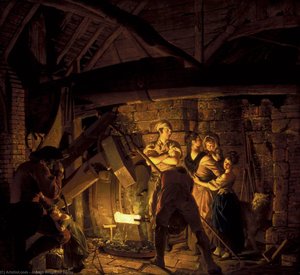 An Iron Forge - Joseph Wright of Derby
In Joseph Wright of Derby’s An Iron Forge , light is not merely a physical presence; it is a profound language of discovery. As you stand before this masterpiece in the Tate Gallery, London, you witness the artist composing illumination like a musician crafting a sonata. He does not simply paint the glow of heated iron; he invents a dramatic chiaroscuro that breathes life into the dawn of the Industrial Revolution.
The scene is a visceral, sensory experience where the intense, amber radiance of the forge pierces through deep, velvety shadows, casting a spiritual glow upon the blacksmith and his observers. This stark contrast—a hallmark of Wright’s mastery—captures the very heartbeat of Enlightenment ideals, celebrating human ingenuity and the transformative power of science. The atmosphere is thick with the heat of labor and the quiet awe of progress. To possess such a work is to invite a portal of inspiration into your own space, where the dramatic interplay of light and shadow turns any wall into a window onto history’s most transformative era.
Nocturne in Blue and Gold Old Battersea Bridge - James Abbott McNeill Whistler
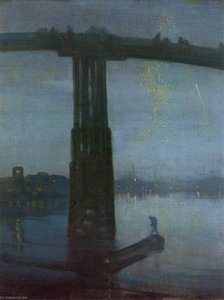 Nocturne in Blue and Gold Old Battersea Bridge - James Abbott McNeill Whistler
To encounter Nocturne in Blue and Gold Old Battersea Bridge by James Abbott McNeill Whistler is to witness a masterclass in atmospheric restraint, a true jewel within the collection of the Tate Gallery, London. This 1872 masterpiece transcends mere landscape painting; it is an ethereal meditation on light and shadow that secures its place among the top 25 artworks in the gallery. Whistler utilizes his revolutionary "broken color" technique, layering translucent blues and shimmering golds to capture the fleeting, dreamlike essence of a London night.
The composition moves with a rhythmic, horizontal grace, where the Thames becomes a mirror for subtle gradations of Prussian blue and ultramarine. For the discerning collector or designer, this work offers more than historical significance; it provides a profound sense of tranquility and tonal sophistication. Its ability to evoke the ephemeral beauty of a moment suspended in time makes it an enduring icon of the Aesthetic movement, offering a timeless elegance that resonates deeply within any refined, modern interior seeking a legacy of quiet luxury.
Conclusion
As the light fades over the Thames and we depart the halls of the Tate Gallery, we carry with us more than just images of pigment and canvas; we carry the enduring pulse of human emotion captured in every brushstroke. These twenty-five masterpieces are not merely relics of a bygone era or static treasures behind museum glass; they are living presences that continue to breathe life into our modern world, shaping the way we perceive light, shadow, and the very essence of our shared history. They possess a timeless ability to move hearts and spark new dialogues, bridging the gap between the centuries through their profound connection to the human spirit.
At Mus3ums.com , we believe this inspiration should not be confined to London’s walls but should serve as a foundational element in the creation of extraordinary spaces. We act as a dedicated creative partner for architects, procurement managers, and interior designers who seek to transform hotels, luxury villas, and corporate environments into curated artistic statements. Whether you are furnishing a large-scale hospitality project or refining a private residence, our mission is to bring the museum experience to your doorstep through meticulous, hand-painted reproductions that honor the texture and soul of the originals.
From providing professional digital mockups to ensure perfect color integration in your designs, to offering custom sizing and multi-panel layouts for expansive architectural walls, we provide the operational reliability required for high-volume, high-standard projects. We invite you to explore our full collection and discover how our museum-quality oils and bespoke services can turn your next interior project into a lasting legacy of beauty and prestige.