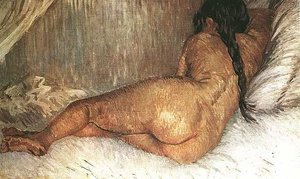
The Essence of the Impressionist Moment: Beyond the Original Canvas
 10 Iconic Giclée Prints That Redefined Art History
Introduction Close your eyes for a moment and imagine walking through a sun-drenched gallery in the heart of Paris, where the air feels heavy with the scent of linseed oil and the soft, shimmering light of a late afternoon. There is a profound magic ...
Close your eyes for a moment and imagine walking through a sun-drenched gallery in the heart of Paris, where the air feels heavy with the scent of linseed oil and the soft, and shimmering light of a late afternoon. There is a profound magic in encountering a masterpiece; it is a quiet, intimate conversation between the soul of the artist and your own. We often revere the original canvases—those singular, textured treasures that hold the very breath of Monet or Renoir—yet there exists a beautiful, modern lineage of art that allows these luminous moments to travel across oceans and centuries to reach our private sanctuaries.
The history of art has always been one of movement and accessibility. From the early days of lithography to the breathtaking precision of today’s technology, the dream has remained the same: to capture the fleeting essence of a brushstroke and preserve it for all to see. These legendary works are more than mere reproductions; they are windows into the Impressionist revolution, carrying the vibrant energy of a world rediscovering light, color, and emotion. They represent a cultural bridge, connecting the prestigious halls of the Musée d'Orsay to the intimate walls of our own homes, allowing us to live within the dappled shadows and dancing lily ponds that once defined an era.
Defining Giclée: The Alchemy of Archival Pigments and Precision
 Giclée Prints: Archival Quality & Aesthetic Nuances for the Discerning Collector
Introduction: The Rise of Giclée Printing in Fine Art Wikipedia: Giclée Giclée ( zhee-KLAY) describes digital prints intended as fine art and produced by inkjet printers. The term is a neologism, ultimately derived from the French word gicleur, coine...
To the uninitiated, the term Giclée may sound like a mere technicality, but for the discerning collector, it represents a sophisticated pursuit of perfection. Derived from the French word gicler, meaning “to spray,” the term describes a process where microscopic droplets of ink are precisely applied to a chosen substrate. While the technology emerged in the late 20th century, its purpose is ancient: the desire not merely to copy an image, but to resurrect its essence on a new surface with unprecedented fidelity.
The true allure of a Giclée print lies in its technical underpinnings, specifically the use of pigment-based inks. Unlike standard commercial printing that relies on dyes which may fade under the sun's gaze, these archival pigments are suspended in a carrier fluid and meticulously layered to achieve exceptional color accuracy. This precision is crucial for reproducing the subtle gradational shifts and nuanced tones present in an original Impressionist work. When executed correctly, the technology offers an extraordinary level of control over color and texture, ensuring that the vibrant energy of a Van Gogh or the soft light of a Pissarro remains as vivid as the day it was first captured.
The Collector's Eye: Distinguishing Between Digital Prints and Hand-Painted Oils
 Inkjet printing
Inkjet printing is a type of computer printing that recreates a digital image by propelling very fine droplets of ink onto various substrates such as paper, plastic, wood and metal. The concept of inkjet printing originated in the 20th century, and t...
For those of us who have spent decades admiring the masters, understanding the distinction between different forms of reproduction is essential to curating a meaningful collection. It is helpful to view these mediums not as competitors, of course, but as different ways to experience the "soul" of a piece. A true Handmade Oil Reproduction is a bespoke creation, a labor of passion where an artist works for weeks on 100% cotton canvas. Here, you will find the physical presence of the artist: visible brushstrokes, the tactile depth of impasto, and a deeper tonal range that only real oil paint can provide. These pieces are unique, possessing a slight hand-made variance that makes them singular treasures.
In contrast, a Giclée print is a magnificent feat of digital reproduction. It is a flat, highly accurate, and incredibly durable medium. While it lacks the physical ridges of dried oil, its strength lies in its ability to provide a window into the original with startling clarity and color consistency. At Mus3ums.com, we often suggest that the choice depends entirely on the atmosphere you wish to create. If you seek the textured, sculptural presence of a masterpiece, the hand-painted oil is unparalleled. If you desire a crisp, luminous, and highly detailed rendering of a classic scene, the Giclée offers a breathtakingly faithful experience.
Preserving the Light: Longevity, Substrates, and Museum-Grade Standards
A true collector does not merely buy for the present; they invest for the future. This is why the concept of "archival quality" is the cornerstone of any serious art acquisition. When we speak of museum-grade standards, we are referring to the chemistry of art—the materials that ensure a painting or print resists the ravages of time. In our hand-painted works, we utilize flexible gesso to prevent cracking and specific oils, such as safflower, for our whites to prevent the dreaded yellowing that can plague lesser works.
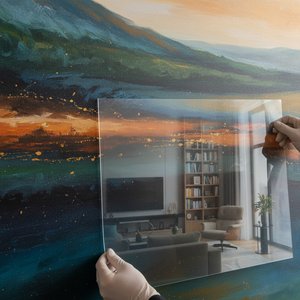
For Giclée prints, longevity is found in the marriage of archival 12-color inks and premium substrates. These prints are designed with a rating of 75 to 100 years, provided they are treated with the respect they deserve. To protect your investment, we recommend avoiding direct, harsh sunlight and utilizing acid-free matting to create an air gap between the print and the glass, preventing moisture buildup. Every layer, from the pigment to the final protective varnish, is chosen to shield the artwork from dust, moisture, and atmospheric pollutants, ensuring that the light of the Impressionist era remains bright for generations to come.
Curating Your Sanctuary: Integrating Fine Art Prints into the Modern Home
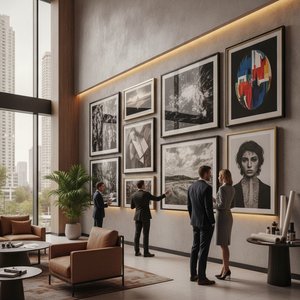
Integrating fine art into your living space is an act of personal storytelling. Whether you are looking to anchor a large, wide wall with a dramatic multi-panel set that flows seamlessly across several canvases, or seeking a single, intimate portrait to grace a quiet corner, the goal is to create a sense of permanence and beauty. Modern architecture often provides grand, blank canvases—large walls or even ceiling spaces—that can be transformed through the use of large-format murals or breathtaking frescoes.
Art should not feel like an afterthought in a room; it should be the heartbeat of the space. We invite you to explore how different styles can "remix" your environment, perhaps by transforming a personal memory into a piece that echoes the light-drenched style of Monet. As you curate your collection, remember that each piece is a window into another world, offering us a sense of peace and a connection to the eternal beauty of the Impressionist movement. Whether through a meticulously hand-painted oil or an exquisitely rendered Giclée, let your walls reflect the profound magic of the masters.