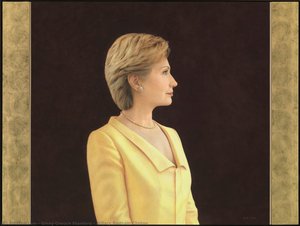
A Life Shaped by Landscape and Light
The artistic journey of Ginny Crouch Stanford is one deeply rooted in the sensory richness of the American landscape. Born in Lamar, United States of America, her early sensibilities were profoundly shaped by the dramatic vistas of the Midwest, where she found inspiration in the vastness of beautiful skies and the intensity of natural color. This connection to the earth and atmosphere would become a cornerstone of her visual language. Eschewing the constraints of formal art studies, Stanford chose a more nomadic and immersive path to creativity; after only one semester of college, she embarked on travels through Europe, seeking to absorb the profound legacies of art held within great museums and painting whenever the opportunity arose.
Her life took a significant turn upon her return to the States, when she met her future husband, the poet Frank Stanford. Settling in Fayetteville, Arkansas, her creative output became intimately entwined with his literary world, as she often produced works that accompanied his publications. Following the untimely death of her husband in 1978, her path led her toward the coast of California. In the serene environment of Sebastopol, near the ocean, she discovered a new sense of freedom and inspiration, allowing the rhythmic influence of the sea to further inform her practice.
Technique and the Essence of Portraiture
Stanford’s approach to the canvas is characterized by a visceral, direct method of application. Rather than relying on traditional, meticulous detail, she often employs textured brushstrokes and layered hues to capture more than just a physical likeness; her work seeks to distill complex character and inner states into visual form. Her technique frequently involves applying paint directly to the canvas using rags and brushes, a process that imbue the surfaces with a palpable physicality and an embrace of imperfection.
This mastery of medium is perhaps most notably displayed in her celebrated portraiture, which has earned a place in prestigious institutions. Her ability to navigate the balance between strength and vulnerability is evident in works such as:
- Hillary Rodham Clinton: A 2006 acrylic on canvas composition held at the National Portrait Gallery in Washington D.C., which utilizes muted tones and textured layers to reflect a legacy of resilience.
- M.F.K. Fisher: A portrait of the renowned American food writer, also residing within the collection of the National Portrait Gallery.
Through her use of light, color, and spontaneous gesture, Stanford’s work transcends mere representation, offering instead an exploration of emotion and the enduring spirit of her subjects.
Questions & Answers
What are the birthplace and birth year of Ginny Crouch Stanford?
Ginny Crouch Stanford was born in Lamar in 1950.
Where is Ginny Crouch Stanford from?
Ginny Crouch Stanford was born in United States of America.
What other names is Ginny Crouch Stanford known by?
Ginny Crouch Stanford is also known as Ginny Stanford.