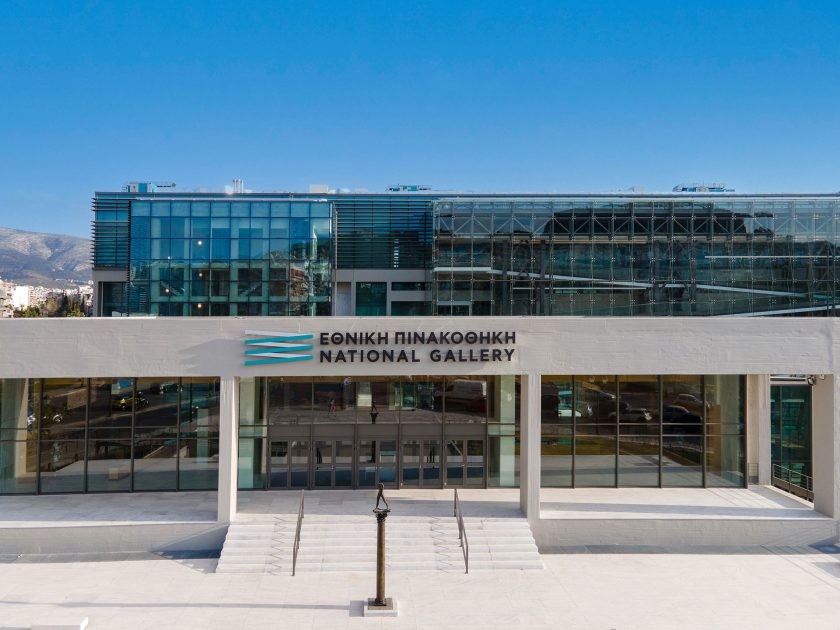


The Building and Its Architecture
The structure was built in 1980. Its design embodies modernist principles while simultaneously honoring the spirit of classical Athens. This balance creates a space where contemporary form meets the historical essence of the city. The architecture does not compete with the art but provides a structured environment for its presence.
A soaring atrium defines the interior. Bathed in natural light, this central space provides a focal point for exhibitions and contemplation. The light shifts throughout the day, altering the atmosphere within the halls. It is a place where the stillness of the architecture encourages a quiet encounter with the works on display.
A Chronological Panorama of Art
The collection offers a way to trace the evolution of Greek artistic expression through more than 20,000 works, including paintings, sculptures, and engravings. This progression begins with the solemn beauty of post-Byzantine icons. These early pieces provide a foundation for understanding the spiritual and aesthetic shifts that followed. The sequence moves through centuries of development, eventually reaching the groundbreaking works that reflect the dynamism of the 20th century.
The breadth of the holdings allows for a continuous study of how Greek identity has been expressed through different eras. From the sacred stillness of the Byzantine period to the experimental energy of modern movements, the works exist as physical records of change. The presence of these objects allows for a direct encounter with the shifting styles of the nation.
European Masters in the Collection
The museum holds a remarkable selection of Western European paintings that provide an intimate look into the foundational traditions of Western art. These pivotal Renaissance pieces offer a direct connection to the origins of European aesthetic development. The presence of such works creates a dialogue between the local and the universal, allowing for a scholarly and emotional depth within the halls of the institution.
Beyond the Renaissance, the collection includes works by luminaries who shaped the course of art history. The paintings of Rembrandt, Monet, Picasso, and Cézanne are represented here, offering a sequence of stylistic shifts from the Dutch Golden Age through Impressionism and into the modern era. These canvases exist as physical presences, inviting a quiet contemplation of the brushwork and light that defined their respective movements.
Masterpieces of the Collection
Among the most significant presences within these walls is The Entombment of Christ by El Greco. This tempera painting, dating from about 1571, carries a profound spiritual weight. The composition relies on elongated figures and an emotionally charged arrangement that defines the artist's unique hand. To stand before it is to encounter a specific, intense form of Baroque emotion.
The collection extends into the modern era, holding significant works that represent the shifts of the twentieth century. These include pieces belonging to the movements of Impressionism and Surrealism. Such works provide a necessary counterpoint to the older traditions held in the permanent galleries.
Recent Renovations and Accessibility
Recent transformations have reshaped the museum, focusing on visitor comfort and deeper engagement with the works. The space now features state-of-the-art exhibition areas that utilize cutting-edge technology to present the collection. These updates allow for a more immersive encounter with the art on display. The physical environment has been refined to support a more seamless experience for those walking through the galleries.
Accessibility has been a central priority during these recent developments. Improved facilities ensure that the power of the art is accessible to everyone. The museum has expanded its operational footprint to include several specialized locations, including the following:
- Coumantaros Art Gallery in Sparta
- Corfu Annex in Kato Korakiana
- Nafplion Annex
- Kapralos Museum in Aegina
- Contemporary Greek Art Institute
The integration of modern infrastructure within the renovated spaces allows for a more focused contemplation of the paintings and sculptures. These technical advancements support the preservation and presentation of the extensive holdings held within the central building and its various annexes.
A Singular Destination for Art Enthusiasts
The Alexandros Soutzos Museum offers an immersive encounter with Greek artistic history. Its comprehensive scope fosters a deep appreciation for both Greek and European art traditions, allowing for a quiet contemplation of how these two worlds intersect. The institution maintains a commitment to the aesthetic education of the public, providing a space where the evolution of creative expression can be observed through direct presence.
Intellectual enrichment is found in the way the collection bridges different eras and styles. One finds a sense of continuity in the transition from the solemnity of post-Byzantine icons to the dynamism of the 20th century. This breadth of material invites a slow, deliberate study of the human spirit as expressed through various movements and mediums.
The museum remains a destination for those seeking inspiration through the study of significant works. The presence of these objects allows for a profound connection to the history of art, making it a place of quiet reflection for the dedicated observer.


