
A Sanctuary of Renaissance Brilliance: The Soul of Rome
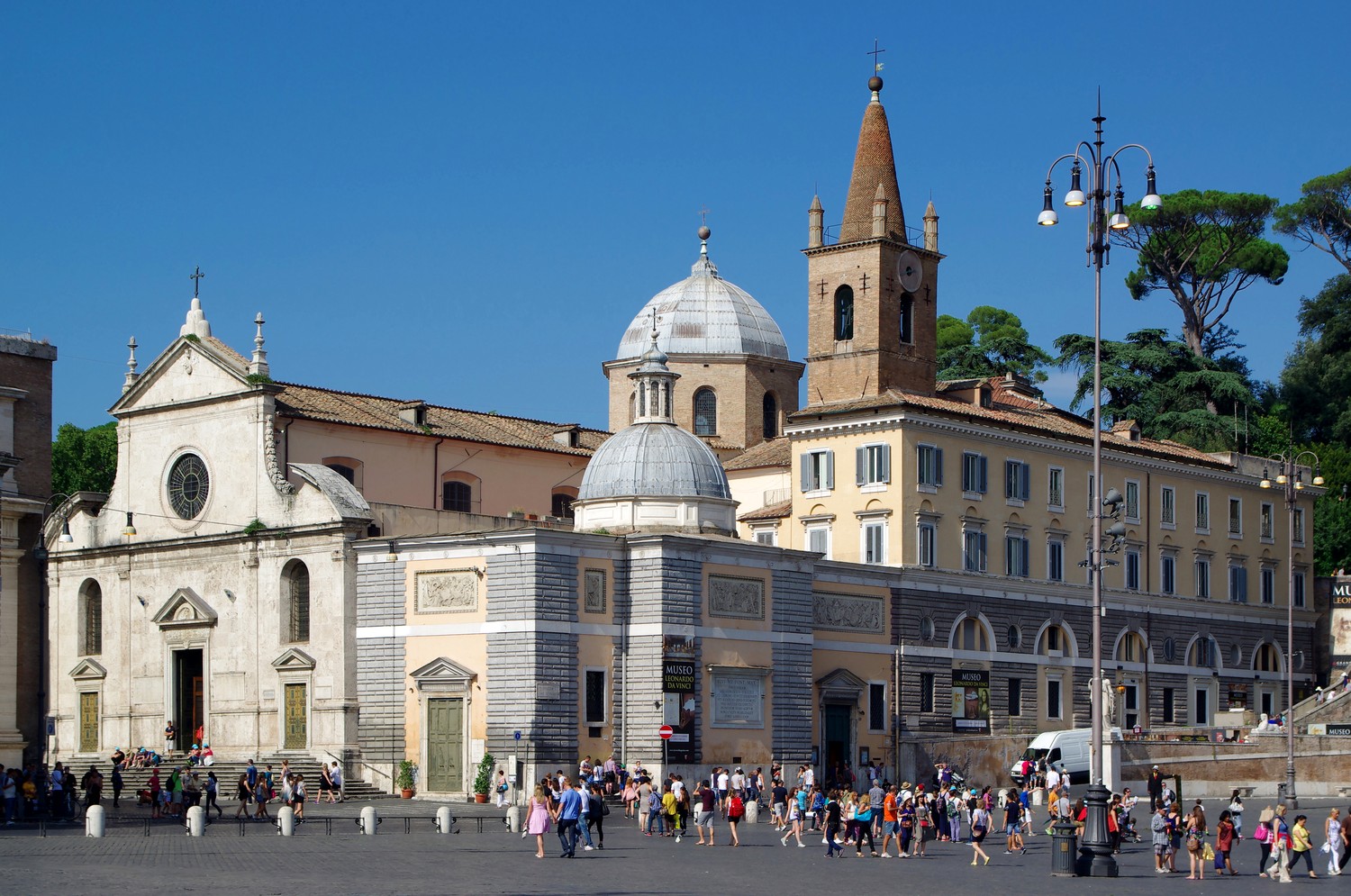
To step across the threshold of the Basilica of Santa Maria del Popolo is to leave the bustling modern energy of Piazza del Popolo behind and enter a living chronicle etched in pigment, stone, and myth. Located at the northern gateway of Rome, this sacred space has long served as the first profound encounter for travelers arriving from the north, offering a spiritual and aesthetic embrace that has endured for centuries. The very foundations of the basilica are steeped in legend, whispered tales recounting how Pope Paschal II once confronted demonic forces haunting the nearby mausoleum of Nero. This ancient narrative of purification and triumph over darkness sets a dramatic stage for the architectural grandeur that follows, where the simplicity of the façade belies an interior of unparalleled opulence.
The basilica functions less like a traditional museum and more like a continuous, breathing gallery of the Italian soul. As one wanders through its hallowed nave, the transition from the Renaissance to the Baroque unfolds with breathtaking fluidity. The walls themselves act as canvases for the masters of perspective and humanist ideals; the delicate, ethereal frescoes of Raphael and Pinturicchio illuminate the chapels with a luminous grace that seems to defy the weight of the stone. These works do not merely decorate the space; they elevate it, inviting the viewer into a celestial realm where divine narrative meets humanistic precision.
The Dramatic Shadows of the Baroque
While the Renaissance provides the basilica's light, the Baroque era provides its heartbeat and its drama. The interior is dominated by the theatricality of Gian Lorenzo Bernini and Alessandro Algardi , whose sculptures breathe movement and raw emotion into the sacred silence. These monumental figures, captured in moments of intense spiritual struggle or divine ecstasy, transform the chapels into immersive stages where marble appears as soft as flesh and as dynamic as a sudden storm. This mastery of form is perfectly complemented by the revolutionary paintings found within the Chapel Cerasi .
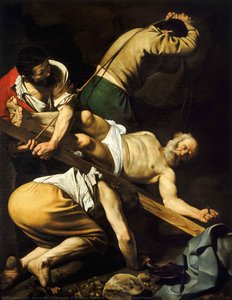
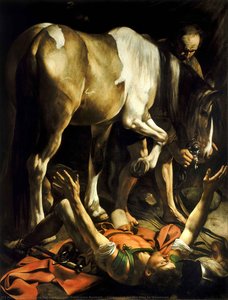
< p>In this intimate space, the genius of Caravaggio reigns supreme. His presence is felt through the profound use of chiaroscuro —that masterful interplay of deep, swallowing shadows and piercing, dramatic light. In masterpieces such as “The Conversion of Saint Paul” and “The Crucifixion of Saint Peter,” Caravaggio strips away the idealized veneer of religious art to reveal a gritty, visceral reality. The emotional intensity of these works, characterized by their stark realism and psychological depth, continues to captivate collectors and art enthusiasts, offering a window into a period where light was used not just to illuminate, but to confront the human condition.
A Legacy of Patronage and Piety
The splendor of Santa Maria del Popolo is a testament to the enduring power of papal patronage. Throughout the centuries, influential families sought to immortalize their devotion and status through the commissioning of exquisite funerary monuments and chapels. The Chigi Chapel stands as an exemplary showcase of this era, reflecting the sophisticated tastes of Cardinal Ludovico Chigi. Here, the intricate details and vibrant colors celebrate biblical narratives with a meticulousness that speaks to the height of Renaissance craftsmanship. This tradition of burial within the basilica turned the church into a prestigious necropolis for the Roman aristocracy, clergy, and literati, creating what the historian Jacob Burckhardt once described as a "museum of sculpture."
For the interior designer or the lover of classical beauty, the basilica offers an endless source of inspiration. The way light interacts with the gilded surfaces, the rhythmic arrangement of marble textures, and the profound emotional resonance of the artworks create an atmosphere that is both somber and celebratory. It remains a site where history is not merely studied but felt—a place where the architectural design serves as a vessel for the spiritual and artistic triumphs of Rome’s most legendary creators.