
A Citadel of Hungarian Identity: Exploring Buda Castle
Buda Castle isn’t merely a structure perched dramatically above Budapest; it's a living chronicle etched in stone, a palimpsest layered with centuries of Hungarian history, artistic evolution, and the enduring spirit of a nation. From its humble beginnings as King Béla IV’s fortified residence in 1265 to its current role as a vibrant cultural hub, this majestic complex has witnessed empires rise and fall, dynasties flourish and fade, and the very soul of Hungary find expression within its walls. More than just a monument, Buda Castle is an invitation – an invitation to step back in time, to trace the footsteps of kings and commoners alike, and to marvel at the artistic treasures that have shaped Hungary’s identity.
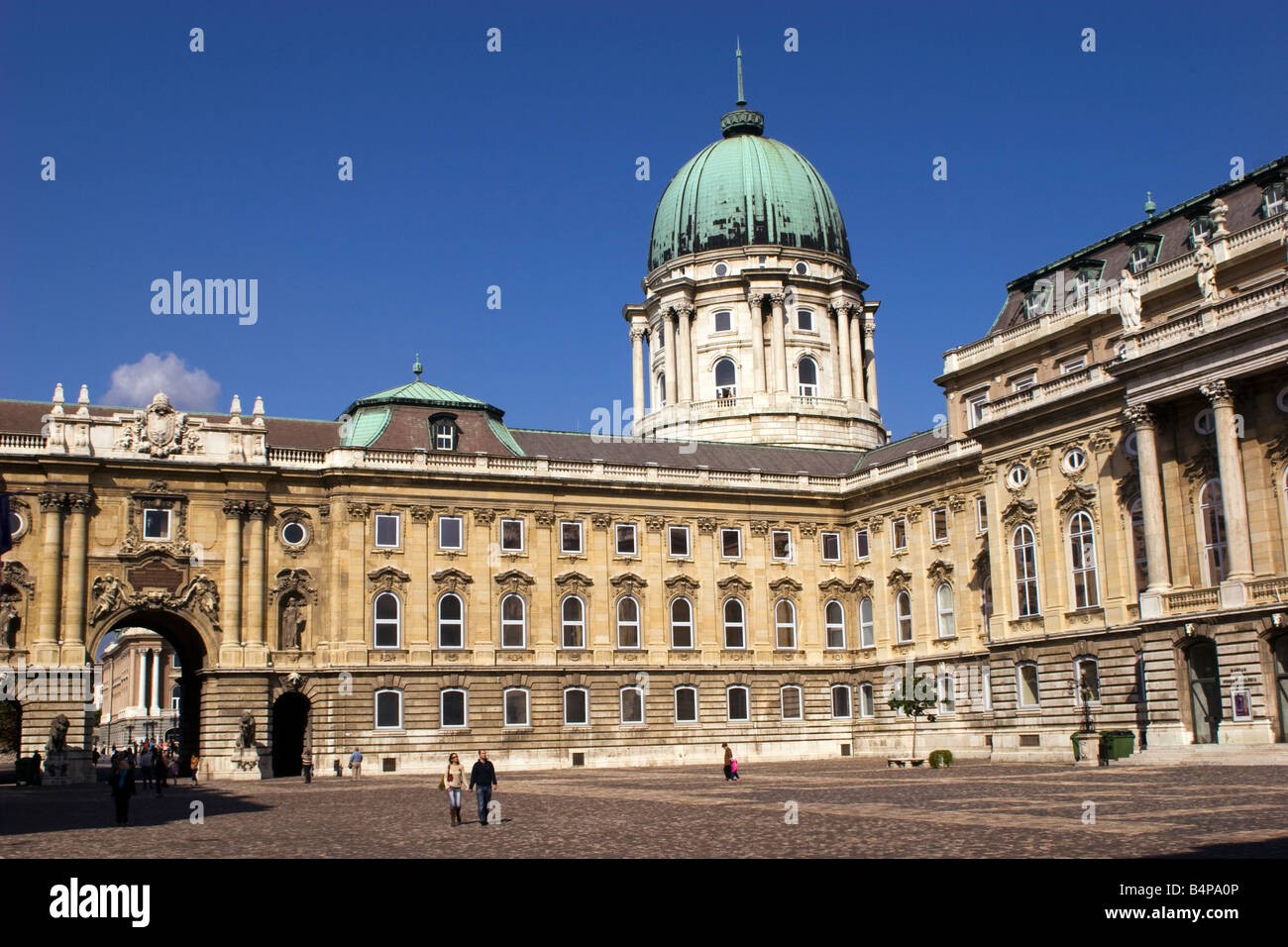
The castle's architectural narrative unfolds like a captivating story across eras. While the imposing Baroque palace dominating the skyline is a testament to Hungary’s determination to preserve its heritage after World War II, it stands proudly atop foundations rooted in centuries past. Glimpses of Gothic origins – the remnants of King Louis I’s original keep, for instance – whisper tales of medieval grandeur alongside Renaissance flourishes reflecting the courtly tastes of Matthias Corvinus and the opulent Baroque elegance that defines much of the present structure. Exploring the castle grounds is akin to traversing time itself; one can discern the echoes of a bygone era in the intricate facades, sweeping staircases, and lavish interiors, each element speaking volumes about Hungary’s royal power and prestige. The Lions' Court, guarded by the imposing stone sculptures crafted by János Fadrusz in the early 20th century, serves as a dramatic gateway – symbols of both strength and vigilance, their subtly different expressions hinting at the complex tapestry of Hungarian sovereignty.
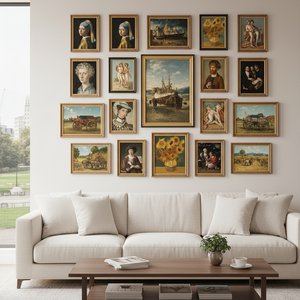
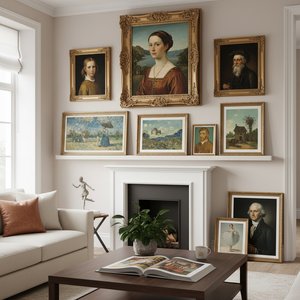
Within Buda Castle’s walls reside two institutions that form the heart of Hungary's cultural identity: the Hungarian National Gallery and the Budapest History Museum. The *Hungarian National Gallery* offers an unparalleled journey through the nation’s artistic evolution, from medieval masterpieces – including exquisite religious icons and illuminated manuscripts – to contemporary expressions reflecting a rich tapestry of influences. Here, visitors can encounter works that showcase Gothic fervor, Renaissance portraiture, Baroque grandeur, and the vibrant experimentation of 20th-century Hungarian modernism. The *Budapest History Museum*, on the other hand, delves into the captivating story of the city itself, tracing its transformation from Roman settlement to bustling metropolis. Exhibits detail pivotal moments in Budapest’s past – from the Mongol invasion to the Austro-Hungarian Empire and beyond – offering insights into its social, political, and economic development. Currently, a special exhibition focuses on the impact of the 1956 Hungarian Revolution on the city's art scene, showcasing works by artists who bravely documented this tumultuous period.
The St. Stephen’s Hall stands as a breathtaking jewel within the palace complex, a testament to Hungary’s patron saint and a masterpiece of Baroque design. This grand space, adorned with intricate frescoes and sculptures that celebrate King Stephen I, served as a venue for royal receptions and ceremonies, reflecting the ambition and power of the Habsburg monarchy. Equally compelling are the archaeological remains unearthed during post-war reconstruction – medieval Royal Palace fragments offering tangible connections to Hungary’s medieval past. These discoveries have enriched our understanding of the castle's evolution and provided invaluable insights into Hungarian royal life, revealing details about daily routines, courtly rituals, and the very fabric of a bygone era.
A Treasury of Artistic Legacy
The collection housed within the Hungarian National Gallery is truly remarkable. It boasts an extensive array of Hungarian art spanning from the Middle Ages to the present day. Highlights include the *Golden Bull*, a medieval document signed by Holy Roman Emperor Frederick Barbarossa, considered one of Hungary’s most important historical artifacts; exquisite examples of early Christian art, including icons and reliquaries; and a significant collection of Renaissance paintings, showcasing the influence of Italian masters on Hungarian artists. The gallery also features an impressive selection of Baroque sculptures and portraits, reflecting the opulent tastes of the Habsburg era. More recently, the museum has expanded its holdings with contemporary works by Hungarian artists, offering a dynamic reflection of the nation’s artistic landscape.
Architectural Marvel & Historical Significance
Buda Castle's architecture is not merely aesthetically pleasing; it’s a carefully orchestrated narrative of power and prestige. The castle complex evolved over centuries, incorporating elements from various architectural styles – Gothic, Renaissance, and Baroque – creating a unique and harmonious blend. The imposing façade of the Baroque palace, rebuilt after World War II, stands in stark contrast to the remnants of the medieval Royal Palace, offering a tangible connection to Hungary’s past. The castle's strategic location on Castle Hill provides breathtaking panoramic views of Budapest, further enhancing its historical significance as a symbol of Hungarian sovereignty and resilience. The entire complex is a UNESCO World Heritage site, recognized for its exceptional universal value.
Events & Exhibitions – A Living Palace
Buda Castle isn’t merely a museum; it's a vibrant cultural center that hosts a diverse range of events throughout the year. Regular concerts featuring classical music and opera are held in St. Stephen’s Hall, attracting audiences from around the world. The castle also hosts art exhibitions showcasing both Hungarian and international artists, as well as historical displays exploring Hungary’s rich heritage. Throughout the summer months, visitors can enjoy guided tours of the castle grounds, offering insights into its history and architecture. Keep an eye on the official website for a schedule of upcoming events – from medieval festivals to contemporary art installations.
A Unique Destination: More Than Just Stones
What truly sets Buda Castle apart is its unique ability to transport visitors through time and space. It’s more than just a collection of buildings; it's a living testament to Hungary’s enduring spirit, a beacon of artistic expression, and an invitation to explore the heart and soul of Budapest. The castle’s strategic location overlooking the Danube River offers unparalleled panoramic views, while its rich history and cultural significance make it a must-see destination for art lovers, historians, and anyone seeking a deeper understanding of Hungary's past. A visit to Buda Castle is an experience that will stay with you long after you leave – a reminder of the power of art, architecture, and history to shape our world.