
A Sanctuary of Compassion and Caravaggio’s Shadow
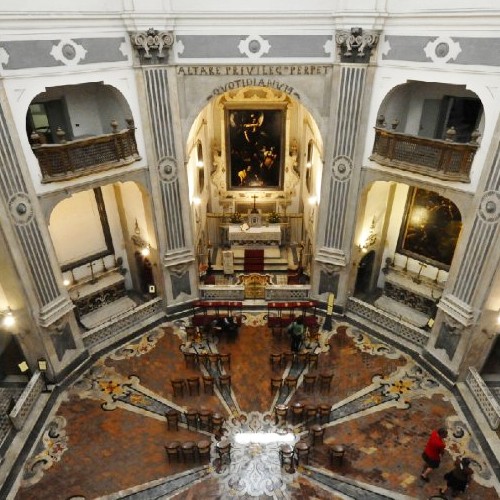
In the labyrinthine heart of Naples, where the narrow streets of the Via dei Tribunali whisper secrets of a centuries-old past, lies a sanctuary that transcends the boundaries between religious devotion and artistic triumph. The Church of Pio Monte della Misericordia is not merely a monument of stone and pigment; it is a living testament to a profound social experiment born in 1602. Founded by seven young noblemen driven by an unshakeable commitment to the city’s most vulnerable, this institution was conceived as a brotherhood of mercy. Their mission—to alleviate the suffering of the sick and impoverished—found its physical expression in a space where the divine meets the desperate, creating a unique cultural landmark that serves simultaneously as a sacred house of worship and a breathtaking museum of Neapolitan Baroque excellence.
To step into the presence of the Pio Monte is to enter a world where light and shadow perform a perpetual, dramatic dance. The architectural evolution of the complex tells a story of growing prestige and aristocratic ambition, moving from a modest chapel near the Naples Cathedral to the opulent, expansive structure designed by Francesco Antonio Piciment between 1658 and 1678. This expansion transformed the site into a harmonious blend of ecclesiastical solemnity and palatial grandeur. The courtyard, a serene escape from the Neapolitan bustle, serves as an architectural prelude to the treasures within, reflecting a period when Naples was a flourishing epicenter of artistic innovation and papal influence.
The Masterpiece of Mercy
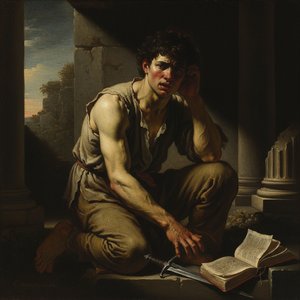
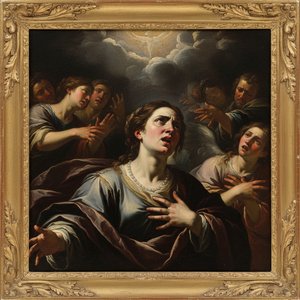
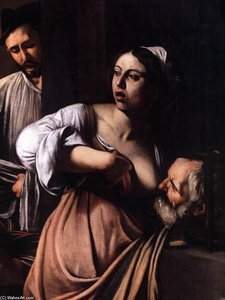
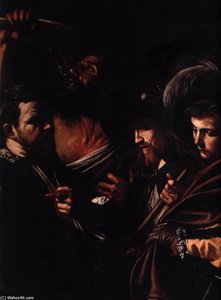
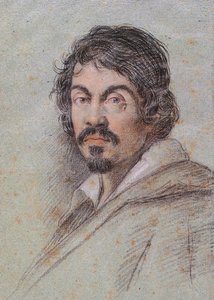
The soul of this collection resides in its unparalleled mastery of the Baroque aesthetic, most notably embodied by Caravaggio’s monumental masterpiece, Seven Works of Mercy . Painted in 1606, this canvas is a revolutionary triumph of chiaroscuro, where the artist’s surgical use of light does more than illuminate a scene; it acts as a metaphor for divine grace piercing through the darkness of human frailty. The painting captures the very essence of the brotherhood's mission, depicting acts of charity with a gritty, visceral realism that forces the viewer to confront the raw humanity of its subjects. This profound connection between the artwork and the institution’s charitable purpose creates an emotional resonance rarely found in other galleries, making every brushstroke feel like a silent prayer for the afflicted.
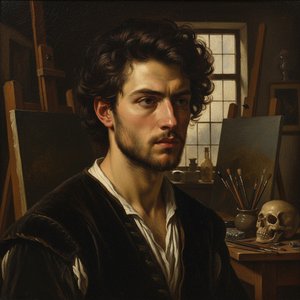
Beyond the shadow of Caravaggio, the museum offers a rich tapestry of Neapolitan talent that invites collectors and art enthusiasts to explore the breadth of the seventeenth century. The halls are graced by the vibrant, illusionistic perspectives of Luca Giordano, whose mastery of color brings a sense of movement and celestial light to the space. Visitors may also discover the delicate nuances of Carlo Sellitto, the dramatic compositions of Fabrizio Santafede, and the powerful, early Baroque energy of Battistello Caracciolo. For the interior designer or the lover of fine art, the Pio Monte della Misericordia offers more than just a viewing experience; it provides an immersion into a legacy where beauty was never intended to be mere decoration, but a vital tool for fostering empathy and upholding the dignity of the human spirit.