A Legacy of American Artistry: The Spirit of the Corcoran
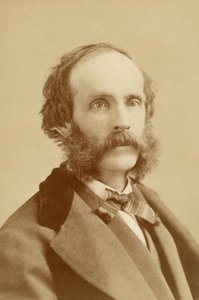
In the heart of Washington, D.C., where the pulse of the nation meets the quiet contemplation of beauty, lies the enduring legacy of the Corcoran Gallery of Art. Established in 1869 by the visionary banker and philanthropist William Wilson Corcoran, this institution was born from a profound desire to cultivate American genius and provide a sanctuary for visual expression. For over a century, it served as a beacon of culture, a place where the raw energy of new movements met the refined traditions of the past. Though its physical halls have transitioned into new hands, the soul of the Corcoran remains an indelible part of the American narrative, representing one of the earliest and most significant ventures into public art patronage in the United States.
The architecture of the gallery itself was a masterpiece of the Beaux-Arts tradition, a grand statement of permanence and elegance. Conceived by the renowned architect Ernest Flagg and opened in 1897, the building commanded attention on The Ellipse, its imposing façade adorned with intricate ornamentation and bronze statues that mirrored the grandeur of the era. To walk through its doors was to enter a world of curated splendor, where the very structure of the museum—with its sweeping staircases and light-filled galleries—complemented the masterpieces it housed. This architectural marvel did more than just shelter art; it elevated the experience of viewing it, turning every visit into a journey through a monument of civic pride.
Masterpieces and Movements: A Collection Without Borders
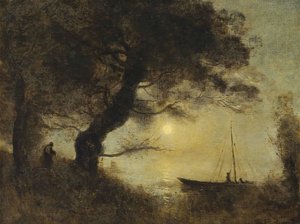
The true heartbeat of the Corcoran was its extraordinary collection, a rich tapestry that spanned from the quietude of colonial landscapes to the visceral intensity of contemporary works. Collectors and art lovers have long been drawn to its ability to capture the American experience through diverse lenses. One might find themselves lost in the serene, tonal harmonies of Winslow Homer’s “Light on the Sea,” where the rugged beauty of the Maine coast is rendered with a masterful touch that evokes both the salt spray and the stillness of the Atlantic. In stark contrast, the collection offered the gritty, urban vitality of George Wesley Bellows’ “Club Night,” a painting that pulses with social commentary and the kinetic energy of city life.
Beyond American shores, the gallery provided a vital connection to the European avant-garde, allowing visitors to witness the evolution of modern thought. The innovative approach to form and color found in Paul Cézanne’s “Still Life with Flower Holder” stood alongside groundbreaking exhibitions of Impressionism and Abstract Expressionism. This breadth ensured that the Corcoran was never a static repository but a living, breathing dialogue between eras. For the interior designer or the discerning collector, the works associated with this legacy represent more than mere decoration; they are fragments of a profound cultural conversation, offering textures and themes that can transform any space into a gallery of personal significance.
An Enduring Educational and Cultural Influence
The Corcoran’s impact extended far beyond its walls through the Corcoran School of Art & Design. For generations, this institution acted as an incubator for creativity, nurturing the talents of artists and designers who would go on to shape the aesthetic landscape of American culture. This commitment to education ensured that the museum was not merely a place to look back at history, but a place to create it. The synergy between the gallery’s collection and the school’s pedagogical mission created a unique ecosystem where scholarship and practice flourished side by side.
While the museum faced the profound challenges of financial hardship that led to its closure in 2014, its essence was never lost. Through a thoughtful redistribution of its vast holdings—including over 9,000 objects—to institutions such as the National Gallery of Art, the Corcoran’s treasures continue to enrich the public's understanding of art. Today, the legacy of William Wilson Corcoran lives on in every brushstroke and sculpted form that continues to inspire, reminding us all that art possesses the incomparable power to illuminate the human experience and bridge the gap between our shared history and our collective future.