



A Sanctuary of Vision and Light
In the heart of Manchester, New Hampshire, lies a cultural jewel that transcends the boundaries of a traditional gallery, offering instead a profound dialogue between the past and the present. The Currier Museum of Art is not merely a repository for objects; it is a living testament to the enduring power of human creativity. Since its inception in 1929, born from the philanthropic spirit of Moody and Hannah Slade Currier, this institution has cultivated an atmosphere where beauty serves as a bridge to deeper contemplation. To wander through its halls is to embark on a curated journey through time, where the ephemeral light of Impressionism meets the grounded, rugged spirit of American heritage, creating a space that resonates with the soul of every visitor.
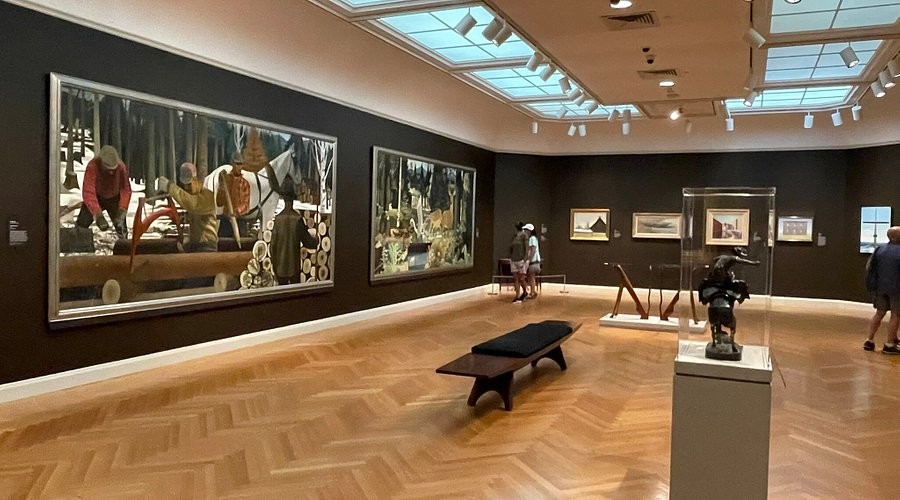
The museum’s permanent collection acts as a breathtaking tapestry of artistic evolution. One finds oneself caught in the rhythmic brushstrokes of Claude Monet and Pierre-Auguste Renoir , whose mastery of light invites a sensory immersion into the fleeting moments of nature. This European elegance is masterfully juxtaposed with the profound emotional depth of Post-Impressionist masters like Vincent van Gogh and Henri Matisse . Yet, the Currier’s narrative is equally rooted in the American experience; the works of John Singer Sargent , Winslow Homer , and Andrew Wyeth offer a poignant look at a nation defining itself through landscape and character. For the collector or the designer, these works represent more than historical significance—they embody a timeless aesthetic that continues to influence the visual language of modern interiors.
Architectural Poetry in Stone and Space
What truly distinguishes the Currier Museum of Art from its global peers is its extraordinary architectural soul. The museum grounds serve as a rare sanctuary for the philosophy of organic architecture, housing two incomparable masterpieces by Frank Lloyd Wright . The Zimmerman House, a pinnacle of Usonian design, stands as an invitation to experience how structure can harmonize intimately with the natural world. Nearby, the Kalil House offers a glimpse into Wright’s experimental brilliance through its unique Usonian Automatic construction. These are not merely buildings to be viewed from afar; they are immersive environments that allow guests to step inside the architect's very mind. For those who appreciate the intersection of form and function, these residences provide an unparalleled lesson in how space can shape human experience.
This architectural grandeur is complemented by a museum experience that is constantly evolving. The institution has undergone transformative renovations, most notably in 2008, to ensure that its modern facilities are as sophisticated as the treasures they protect. From the vibrant energy of contemporary street art exhibitions to the quiet dignity of classical music performances, the Currier fosters a multidisciplinary environment. It is a place where the historical weight of a 19th-century oil painting can exist in perfect harmony with the cutting-edge provocations of today’s most daring artists. Whether you are an art historian seeking depth, a designer searching for inspiration, or a traveler seeking a moment of peace, the Currier Museum of Art offers a profound connection to the eternal cycle of human expression.