A Bastion of Polish Identity: Exploring the National Museum in Warsaw
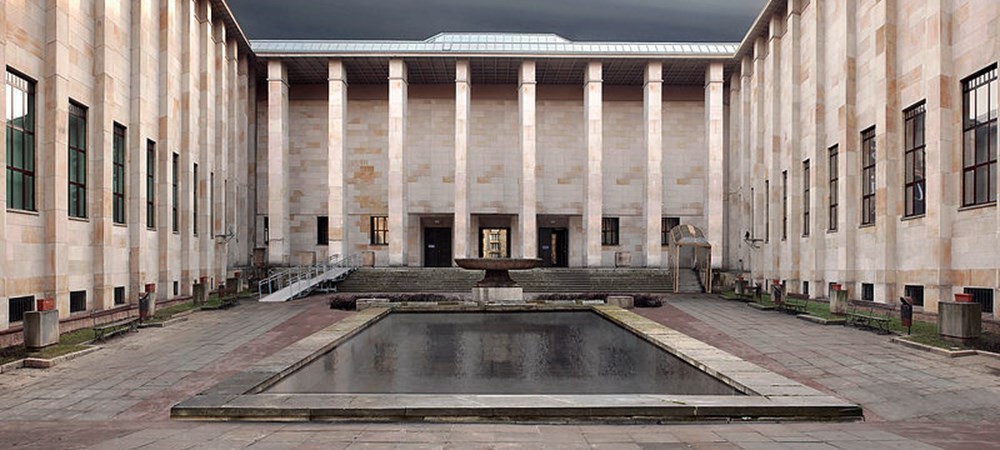
The National Museum in Warsaw isn’t merely a building housing art; it is a resonant echo of Poland's soul, a testament forged through centuries of cultural evolution and unwavering national spirit. Founded in 1862, its very existence became an act of defiance—a determined effort to safeguard heritage amidst relentless upheaval. The museum stands proudly on Książęcego Park, nestled beside Warsaw’s meticulously reconstructed Old Town, a UNESCO World Heritage Site, and the architecture itself speaks volumes about Poland's journey. Conceived by Tadeusz Tolwiński between 1927 and 1938, it wasn’t simply constructed; it was *envisioned* as a beacon of progress during the interwar golden age—a modernist masterpiece with soaring ceilings and expansive windows that bathe the galleries in a luminous glow. This building's story is one interwoven with both triumph and tragedy, having endured devastating destruction and looting during World War II, only to be painstakingly rebuilt through the tireless dedication of scholars like Professor Stanisław Lorentz who recovered lost treasures. Today, enhanced by cutting-edge technology, it stands as a vibrant cultural hub, inviting visitors into a world where history breathes within every brushstroke and sculpted form.
Ancient Art: Echoes of Empires and Polish Visions
The museum’s collections begin their journey millennia ago, delving into the civilizations that shaped Western thought—Egypt, Greece, and Rome. Fragments of colossal statues like Ptolemy I Philadelphus stand alongside intricately carved reliefs depicting mythological narratives, offering tangible connections to societies grappling with fundamental questions of mortality, spirituality, and power. These aren't simply artifacts displayed behind glass; they are whispers from the past, meticulously reconstructed monumental sculptures and mosaics showcasing artistic achievements while subtly highlighting their influence on subsequent European art movements. Examining these relics allows visitors to contemplate the shared human experience across time—a profound reminder of our interconnected history. The curators haven’t merely presented objects; they've crafted a narrative that demonstrates how Poland, throughout its own evolution, has engaged with and reinterpreted the classical world, fostering a unique artistic dialogue across continents and eras.
Polish Painting: Matejko’s Grand Narratives and Beyond
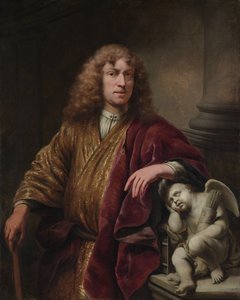
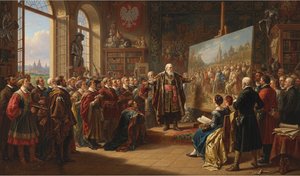
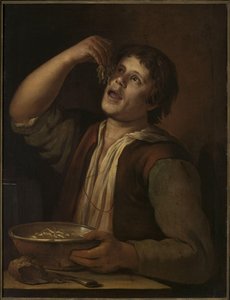
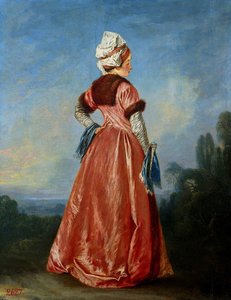
The heart of national identity truly resonates within the Polish Painting Gallery, where masterpieces by Jan Matejko dominate the space. “Skarga’s Sermon” and “The Union of Lublin,” monumental canvases depicting pivotal moments in Polish history with dramatic grandeur, command attention and inspire contemplation. These aren't merely historical paintings; they are visual narratives woven into the fabric of the nation’s collective memory—a testament to Matejko’s artistic skill and his unwavering commitment to portraying Poland’s triumphs and tribulations. The sheer scale of these works is breathtaking, drawing viewers into scenes teeming with emotion and political significance. Alongside Matejko's canvases, one encounters the Impressionistic explorations of Jóżef Simmler and the dynamic depictions of military life by Jóżef von Brandt, showcasing a panorama of artistic styles that reflect Poland’s turbulent yet vibrant past. The gallery also features works by Rembrandt, demonstrating the museum's commitment to representing art from across Europe—a deliberate effort to broaden perspectives on European culture and artistic traditions.
Nubian Christianity: A Singular Window onto Faith
Perhaps one of the most singular aspects of the National Museum in Warsaw is its Faras Gallery, home to Europe’s largest collection of Nubian Christian art. This remarkable assemblage transports visitors to a world often overlooked—the medieval kingdoms of Ethiopia, Sudan, and Eritrea—revealing a vibrant artistic tradition born from the intersection of Christianity and African culture. Illuminated manuscripts adorned with intricate geometric patterns and vivid pigments speak to the spiritual fervor of monastic communities striving to preserve their faith amidst challenging circumstances. The frescoes depicting biblical scenes and portraits of saints demonstrate remarkable craftsmanship and stylistic influences from both Byzantine and Arab art, illustrating the rich cultural exchange that characterized this region. At the heart of the gallery stands a monumental iconostasis—a gilded altar screen—that embodies the grandeur and solemnity of Nubian Orthodox piety, offering a profound insight into a unique chapter in Christian history.
It is a collection that challenges conventional narratives of art history, revealing a previously marginalized yet profoundly important artistic voice.
Beyond the Permanent Collections: A Living Institution
The National Museum in Warsaw is not simply a place to view static displays; it’s a living institution constantly evolving through innovative exhibitions and educational programs. Recent initiatives have focused on digital accessibility, with the creation of a comprehensive online collection—Digital NMW—allowing audiences worldwide to explore the museum’s treasures from their own homes. The ongoing refurbishment of galleries, coupled with the integration of cutting-edge technology, ensures that the National Museum in Warsaw remains at the forefront of cultural preservation and presentation, continuing its legacy as Poland’s largest and most important cultural institution for generations to come. Furthermore, the museum's satellite locations—the Poster Museum at Wilanów Palace, the Xawery Dunikowski Museum of Sculpture at Królikarnia Palace, and the Radziwiłł Palace in Nieborów with its Romantic Park—enrich the visitor experience by presenting diverse artistic expressions and historical contexts.
The museum is a dynamic space where history isn’t just remembered; it's actively reinterpreted and celebrated.