

A Sanctuary of Art and Architecture
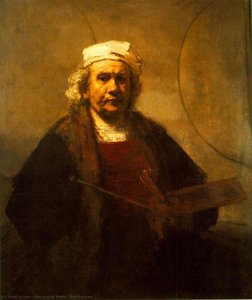
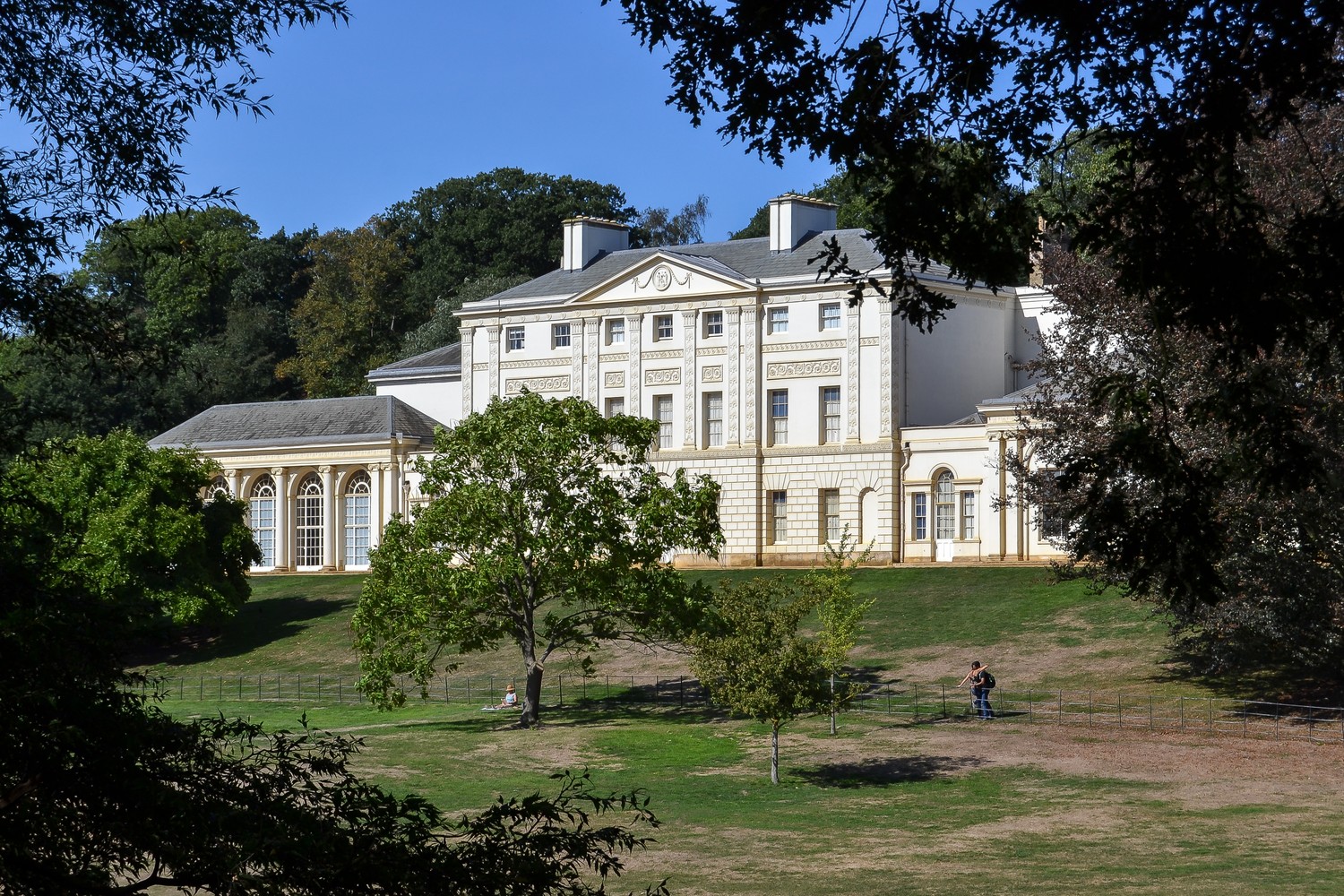
Kenwood House stands as a singular testament to Britain’s artistic legacy, transcending its stately façade to become an immersive experience—a journey through centuries of patronage, architectural innovation, and aristocratic life. More than simply a residence, it is a place where the echoes of Rembrandt’s brushstrokes mingle with the grandeur of Robert Adam’s neoclassical vision, creating an atmosphere that captivates visitors from around the globe. Its story begins in the modest 17th century as Caen Wood House, evolving through successive owners before finding its enduring home within the generous bequest of Edward Cecil Guinness, 1st Earl of Iveagh—a gift that irrevocably shaped the estate's artistic identity and transformed this residence into a national treasure.
The architectural splendor of Kenwood House owes its breathtaking form entirely to the genius of Robert Adam . Commissioned in 1764 by William Murray, 1st Earl of Mansfield, Adam embarked on a radical transformation of the existing structure, rejecting prevailing trends to embrace the principles of neoclassical elegance: symmetry, proportion, and a harmonious integration with the surrounding landscape. The library stands as his crowning achievement, an ethereal space bathed in diffused light where delicate stucco work dances across walls adorned with classical motifs. Its Ionic portico welcomes visitors with stately grace, establishing a visual dialogue between the house and the sprawling beauty of Hampode Heath beyond its doors.
The Legacy of the Iveagh Bequest
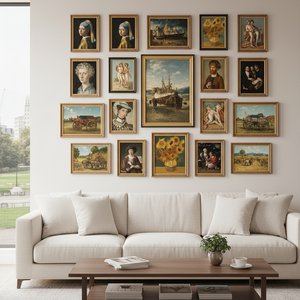
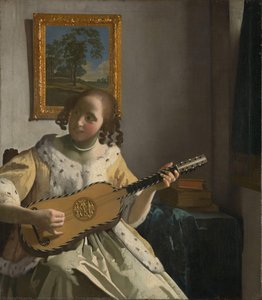
The cornerstone of the collection is undoubtedly the Iveagh Bequest , amassed by Lord Iveagh in the early 20th century. This extraordinary donation comprised a selection of Old Master paintings that immediately elevated the status of the house within the global art community. Among these luminaries are Rembrandt’s masterful portraits—particularly ‘The Astronomer’ , which captures the intellectual fervor and quiet introspection of its subject—and Van Dyck’s opulent depictions of royalty, showcasing the artist’s unparalleled skill in conveying character and prestige. These canvases are not merely objects of beauty; they embody the spirit of their time, reflecting the humanist ideals that underpinned European art during the Baroque period.
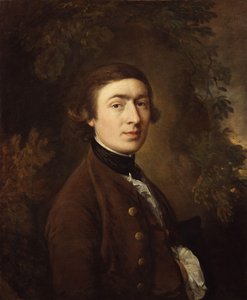
For the discerning collector or interior designer, these works represent the pinnacle of classical elegance, offering a profound connection to the mastery of light and shadow. The collection's depth is further enriched by the presence of Thomas Gainsborough’s evocative landscapes, such as “Dogs Chasing a Fox” , which serves as a profound meditation on nature's dynamism and the fleeting beauty of existence. Beyond the walls of the house, the estate offers a serene escape through its expansive gardens, designed in the English Landscape Style by Humphrey Repton. This masterful embodiment of Romantic ideals invites visitors to wander amongst meticulously manicured lawns, ornamental ponds, and sculpted trees, creating a seamless blend of formal artistry and natural beauty.