


A Sanctuary of Memory: The Soul of the National Library of Israel
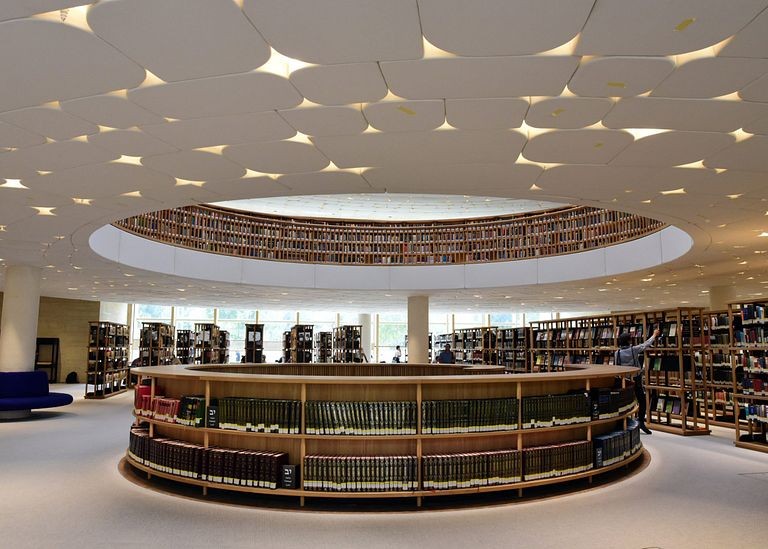
In the heart of Jerusalem, where the ancient echoes of biblical eras meet the sharp, clean lines of modern innovation, stands the National Library of Israel. It is far more than a mere repository for books; it is a living, breathing testament to the endurance of Jewish civilization and a profound architectural marvel. Designed by the visionary architects Herzog & de Meuron, the library’s structure embodies a philosophy of transparency and light. As one enters the soaring atrium, bathed in natural sunlight, there is an immediate sense of spatial fluidity that invites contemplation. The building itself acts as a bridge between the weight of history and the lightness of future discovery, utilizing sustainable materials to ensure that the treasures held within are preserved for generations yet unborn.
To wander through its halls is to embark on a journey through the very essence of Hebraica and Judaica. The true heartbeat of this institution lies in its incomparable collection, a staggering panorama of human thought and artistic expression spanning millennia. Collectors and scholars alike find themselves breathless before the Aleppo Codex , a masterpiece of medieval calligraphy from 1038 CE that serves as one of the most significant witnesses to the Hebrew Bible. Alongside these sacred texts, the library unveils a rich tapestry of artistic exchange; rare illuminated Gospels from the Byzantine era whisper stories of religious iconography shared across empires, while intricately embroidered textiles reveal the vibrant colors and meticulous craftsmanship of Jewish folklore.
A Dialogue of Pattern and Light
For those with an eye for the aesthetic and the decorative, the library offers profound inspiration through its exploration of geometric and symbolic beauty. The collection is not merely a static archive but a dynamic dialogue between the parchment of the past and the digital frontiers of the present. The influence of Islamic geometric patterns on Hebrew decorative arts provides a mesmerizing study in mathematical precision and spiritual symbolism, offering endless motifs for the modern designer. This interplay of tradition and innovation is reflected in every corner of the institution.
The library’s ability to evoke emotion through visual splendor makes it a destination of unparalleled significance:
- Calligraphic Artistry: Through permanent exhibitions such as “A Treasury of Words,” the library celebrates the delicate and powerful strokes of Hebrew calligraphy.
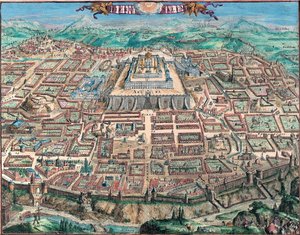
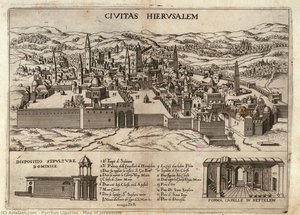
- Visual Heritage: The presence of Byzantine-inspired mosaics and 19th-century watercolors captures the evocative grandeur of Jerusalem’s surroundings.
- Digital Accessibility: Ambitious digitization projects have transformed millions of precious documents into searchable digital treasures, ensuring that the light of Jewish heritage reaches every corner of the globe.
Whether through the shimmering detail of ancient mosaics or the architectural brilliance of its modern halls, the National Library of Israel remains a beacon of knowledge. It is a place where history is not just studied, but felt—a sanctuary where every manuscript and every stone tells a story of resilience, beauty, and the eternal pursuit of wisdom.