


A Portal Through Time: The Soul of Madrid’s National Museum of Anthropology
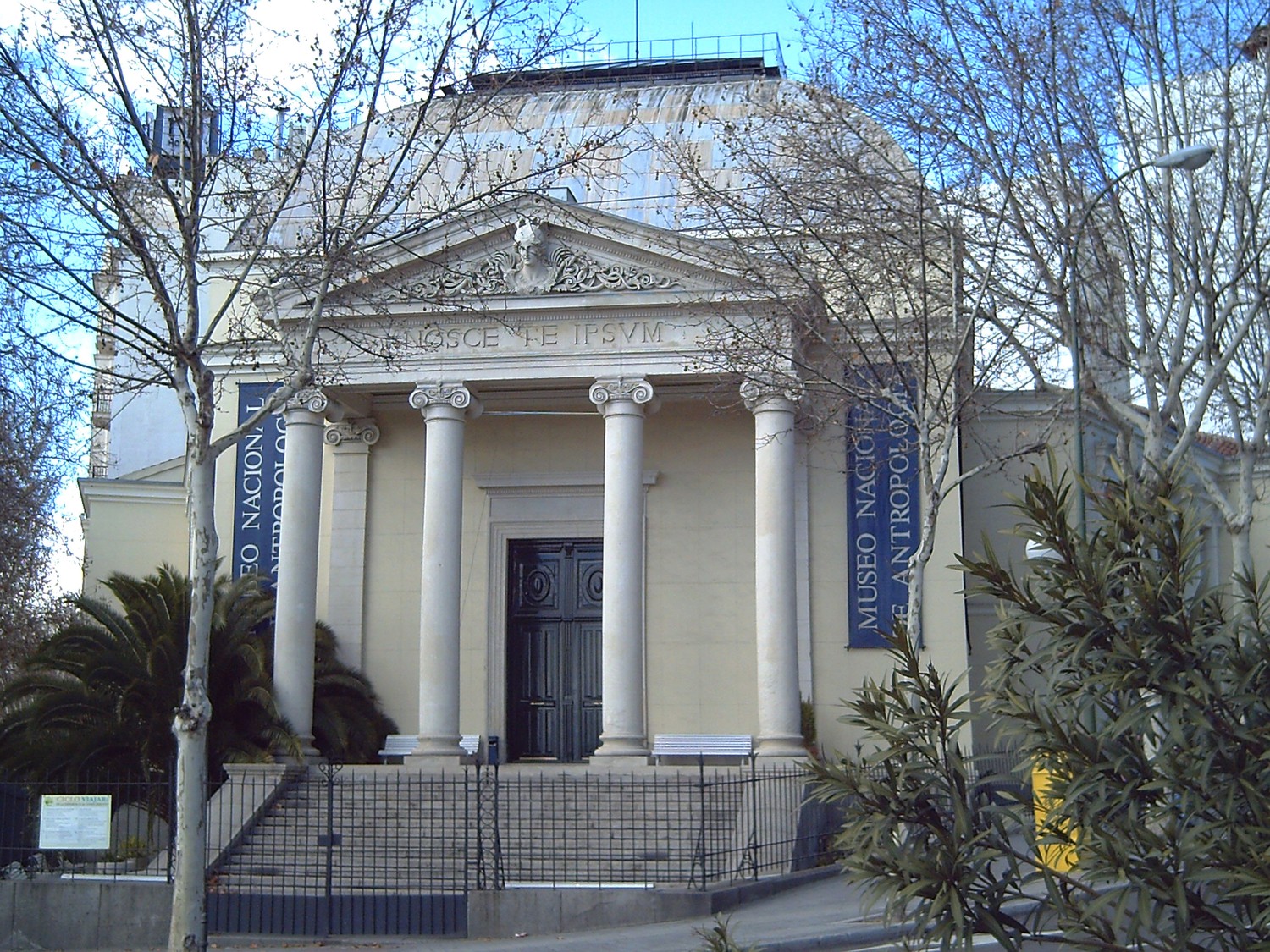
Nestled in the vibrant heart of Madrid, just a breath away from the lush greenery of Parque del Buen Retiro and standing in quiet dialogue with the bustling Atocha station, lies a sanctuary of human identity. The Museo Nacional de Antropología is far more than a mere repository of artifacts; it is a profound window onto worlds, a place where the boundaries of geography and era dissolve. Established in 1875 under the reign of Alfonso XII, this institution holds the distinction of being Spain’s oldest anthropology museum. Its very foundations are built upon a pioneering spirit of inquiry, born from the vision of Dr. Pedro González de Velasco, whose passion for understanding the physical and cultural essence of humanity transformed a private collection into a national treasure.
To step inside this historic edifice is to embark on an expedition across continents without ever leaving the city. The architecture itself serves as a silent narrator of scientific ambition, guiding visitors through a meticulously curated journey across three distinct floors, each dedicated to the cultural landscapes of Asia, Africa, and the Americas. On the ground floor, the air seems thick with the echoes of global interconnectedness. Here, the legacy of Spain’s colonial history is palpable through fascinating displays from the Philippines, where artifacts from the 1885 Retiro Park exposition mingle with the startlingly human presence of the skeletal remains of Agustín Luengo Capilla, known as “The Extremaduran Giant.” This floor invites a deep contemplation on human variation and the early scientific impulses that drove mankind to categorize and marvel at the diversity of life.
As one ascends to the first floor, the atmosphere shifts into the rhythmic and vibrant realm of Africa. With a particular emphasis on the rich heritage of Equatorial Guinea, this level is a masterclass in visual storytelling through material culture. The collection breathes through bold geometric patterns carved into wooden masks and the intricate textures of ethnographic textiles. These pieces are not merely objects of study; they are powerful vessels of spiritual ritual and social hierarchy, challenging the observer to look beyond the surface and appreciate the complex beauty of African traditions. For the art lover, these displays offer a profound lesson in how pigment and form can communicate the very soul of a community.
The journey reaches a captivating crescendo on the second floor, where the Americas unfold in all their ingenuity. This level presents a striking mosaic of indigenous artistry, from the hauntingly ritualistic Jivaro shrunken heads—which speak to profound beliefs regarding death and transformation—to the exuberant, color-drenched Andean Carnival masks. The technological brilliance of the past is also on display, such as the minimalist elegance of Inuit sun goggles, which demonstrate a sophisticated understanding of environmental adaptation. For the interior designer seeking inspiration, this floor offers an unparalleled palette: one might find the warmth of Andean woven wools in earthy tones or the striking, bold geometries of African motifs to inject vitality into a modern living space.
What truly distinguishes the Museo Nacional de Antropología is its refusal to remain a static monument to the past. It remains a living, breathing institution that fosters contemporary dialogue through traditional music performances and insightful lectures. By bridging the gap between historical specimen and living culture, the museum ensures that the stories of these diverse peoples continue to resonate in the present day. It stands as a testament to our shared human narrative, reminding every visitor that while our customs may differ, the impulse to create, to adapt, and to endure is a universal thread that binds us all.