
A Baroque Masterpiece in the Heart of Palermo
Nestled within the historic Kalsa quarter of Palermo, near the Basilica of Saint Francis of Assisi, the Oratory of San Lorenzo stands as a breathtaking testament to the theatrical splendor of the Sicilian Baroque. This sacred space, born from the devotion of a confraternity of Genovese merchants and linked to the Conventual Franciscans, offers more than just a religious setting; it provides an immersive encounter with the sublime. The oratory is a place where architecture and ornament dissolve into one another, creating an atmosphere of luminous grace that captures the very essence of late seventeenth-century artistry.
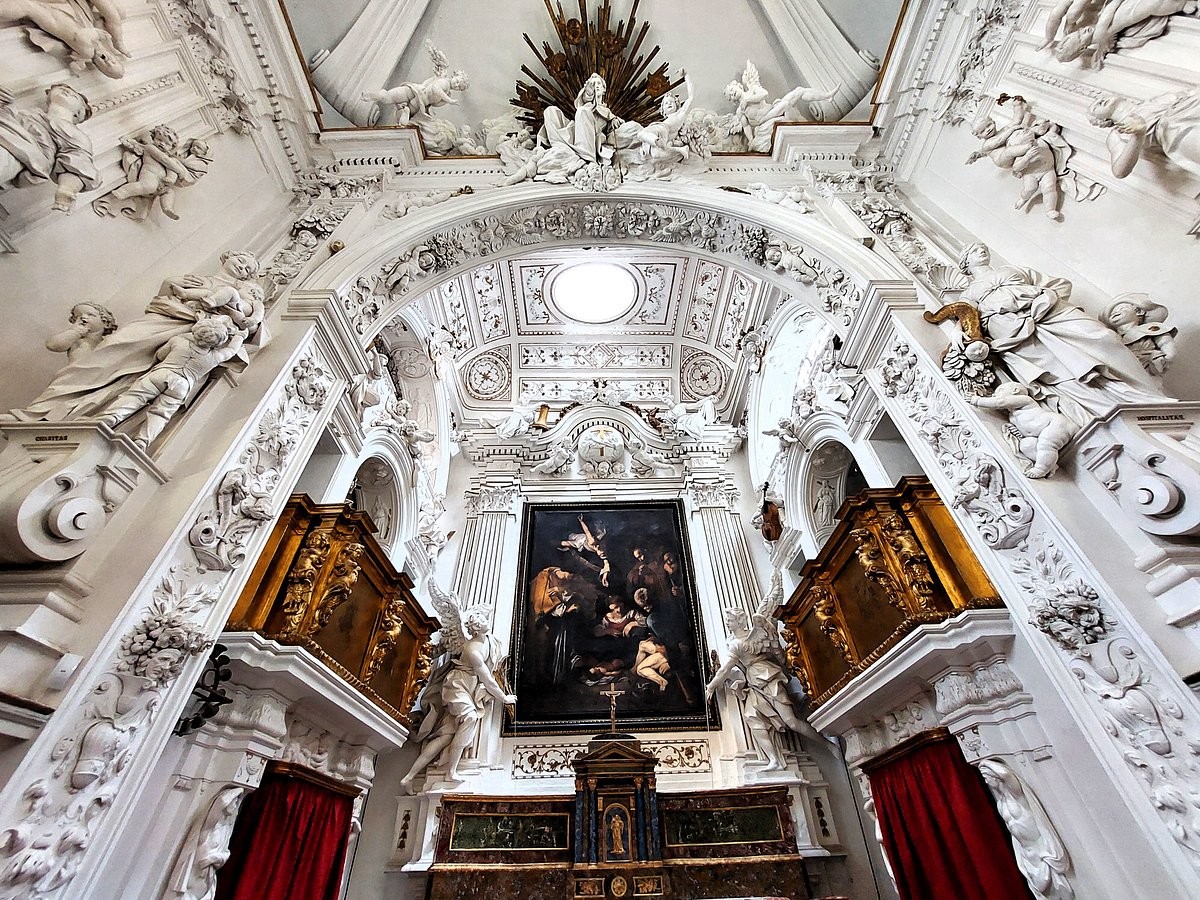
The interior is defined by its extraordinary decorative program, most notably the work of Giacomo Serpotta . Between 1699 and 1706, Serpotta realized a sumptuous cycle of stucco decorations that breathe life into the walls. His mastery lies in the ability to blur the boundaries between the structural frame and the sculptural invention. In this oratory, figures such as putti and characters from the lives of Saint Lawrence and Saint Francis emerge from the creamy, white plaster with such vitality that they seem to inhabit a space beyond the physical walls. This seamless integration of light, shadow, and form creates a sense of infinite, ethereal depth, making the oratory a pinnacle of Baroque decorative genius.
A Legacy of Devotion and Lost Treasures
The history of the Oratory of San Lorenzo is as dramatic as the art it houses. While its architectural bones were established in 1569 to replace an older, smaller church, its soul was shaped by the intense spiritual and social life of Palermo's merchant classes. The space was designed to evoke profound emotion through visual storytelling, utilizing the high-relief stuccoes to narrate sacred histories with a sense of movement and theatricality.
For art lovers and historians, the oratory is perhaps most famously associated with a profound tragedy involving its former altarpiece. The space once held a monumental masterpiece: Caravaggio’s Nativity with St. Francis and St. Lawrence . This legendary painting, a cornerstone of Baroque naturalism, was tragically stolen in October 1969 and has never been recovered. Today, the oratory hosts a high-tech replica of this lost work, allowing visitors to once again contemplate the interplay of light and shadow that Caravaggio perfected. This layer of mystery—the presence of a ghost masterpiece—adds a poignant, melancholic beauty to the site, inviting collectors and enthusiasts to reflect on the fragility of cultural heritage and the enduring power of artistic memory.