
A Roman Canvas of History and Renaissance Influence
Nestled in the beating heart of Rome, Piazza Vidoni is far more than a mere intersection of streets; it is a living testament to centuries of artistic evolution and the enduring spirit of the Eternal City. To walk through this space is to step into a carefully composed landscape where the grandeur of the High Renaissance meets the vibrant dynamism of modern Roman life. The square itself serves as a profound dialogue between eras, reflecting a deliberate architectural nod to the aesthetic ideals of masters like Raffaello Sanzio . While its foundations are rooted in ancient Roman history, the atmosphere of the piazza is defined by a sense of harmonious proportion and symmetrical grace, inviting visitors to lose themselves in a setting that feels both monumental and intimately connected to the city's pulse.
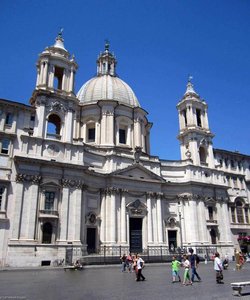
The architectural crown jewel of this historic enclave is undoubtedly the Palazzo Vidoni-Caffarelli . This magnificent Renaissance palace offers a masterclass in the subtle complexities of Mannerist and Renaissance craftsmanship. Though modern scholarship suggests the hand of Raphael's pupil, Lorenzo Lotti , known as il Lorenzetto , the building’s presence remains undeniably authoritative. The facade presents a captivating progression of textures: a ground floor of rustic, almost fortress-like stone that transitions into the elegant piano nobile, adorned with dignified Doric columns. For the art lover and interior designer alike, the palace is a treasure trove of decorative inspiration.
A Tapestry of Frescoes and Architectural Grandeur
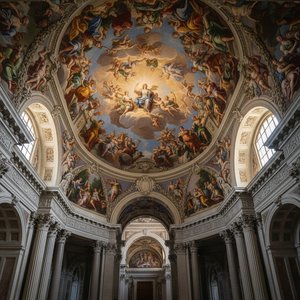
The interior of the Palazzo Vidoni-Caffarelli reveals layers of history painted directly onto its walls. The 16th-century frescoes in the Charles V hall depict the epic life of the emperor with the expressive vigor of the Mannerist school, likely belonging to the tradition of Perin del Vaga . These historical narratives are complemented by 18th-century frescoes attributed to masters such as Nicola Lapiccola , Bernardino Nocchi , Tommaso Conca , and Ludovico Mazzanti , creating an immersive environment where the past breathes through every brushstroke. The space is further enriched by classical elements that bridge the gap between antiquity and the Renaissance:
- A statue of emperor Lucio Aurelio Vero that anchors the collection of Roman statuary.
- A fountain derived from a Roman sarcophagus, adding a touch of ancient solemnity.
- A marble portal decoration featuring the Venetian lion of St. Mark.
Beyond its structural magnificence, Piazza Vidoni possesses a unique character born from its role as a crossroads of social interaction and artistic inspiration. The space has historically hosted exhibitions that bridge the gap between classical sculpture and contemporary expression, ensuring that the dialogue between the past and the present never falters. As we look toward 2025, the anticipated revitalization of Palazzo Vidoni Caffarelli promises to transform this area into a new cultural hub for performances and community engagement. For collectors and enthusiasts of Roman heritage, the square stands as a reminder that true art is never confined to a frame; it permeates the very stones and shadows of the city.