
A Sanctuary of Spirit Amidst the Stone
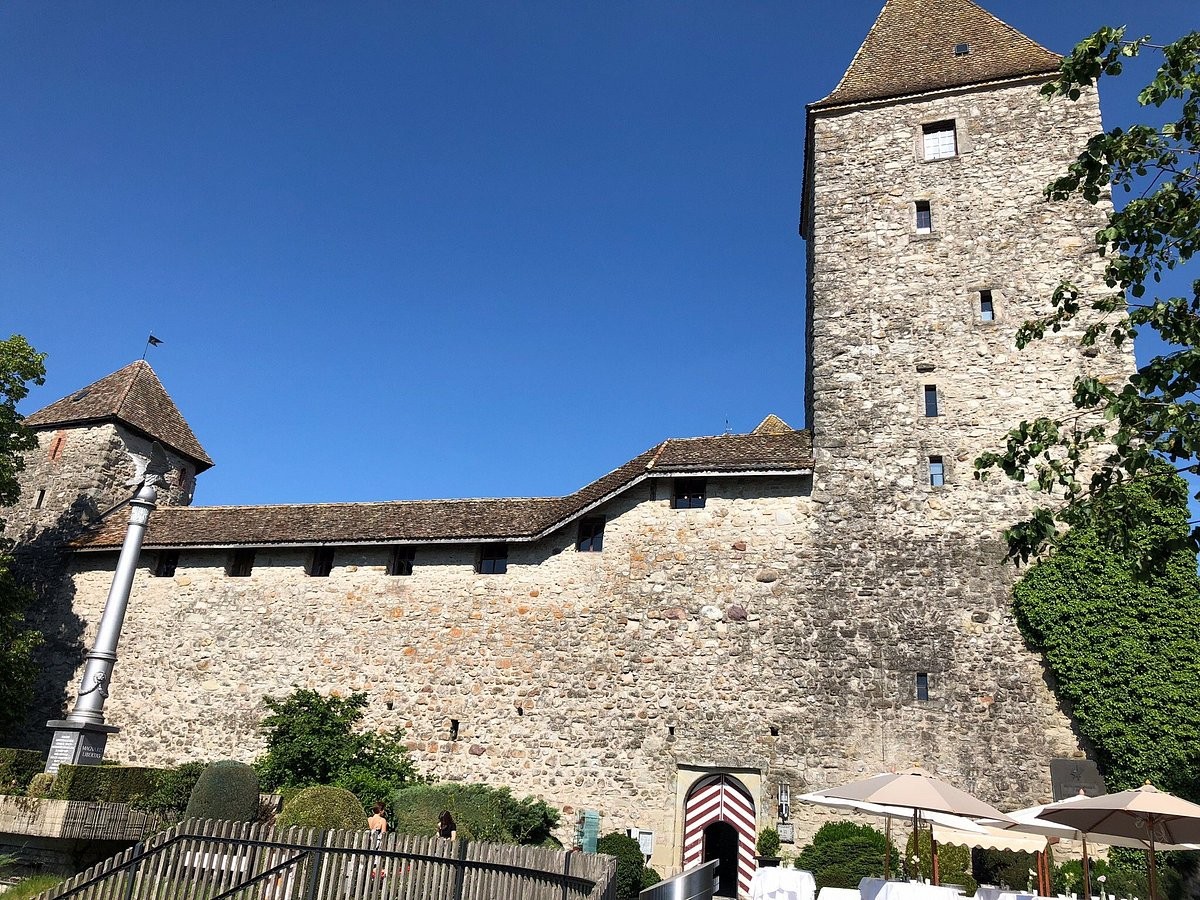
Perched majestically upon the Herrenberg, overlooking the tranquil expanse of Lake Zurich, the Polish Museum in Rapperswil-sur-Rippe serves as much more than a mere repository for historical artifacts; it is a profound testament to national resilience and an enduring bridge between two cultures. Housed within the formidable stone walls of the medieval Rapperswil Castle, the museum offers an atmosphere where the weight of history is palpable. As visitors traverse its halls, they are not simply walking through a gallery, but stepping into a sanctuary established by Count Władysław Broel-Plater. This institution was born from a noble necessity—to safeguard Poland’s precious cultural identity during eras when the homeland faced the threat of erasure and plunder. The very architecture of the castle, with its Romanesque and Gothic echoes , provides a dramatic, layered backdrop that mirrors the complex evolution of Polish art itself.
The museum's unique role as a cultural crossroads celebrates the deep-seated connection between Poland and Switzerland. It meticulously chronicles how Switzerland served as a vital refuge for Polish intellectuals and artists fleeing persecution, fostering a tradition of collaboration that continues to inspire modern artistic exchange. For the discerning collector or lover of fine art, the institution offers a panoramic view of an aesthetic journey that spans five centuries, making it an essential destination for those seeking inspiration in themes of continuity and strength.
A Tapestry of Artistic Resilience
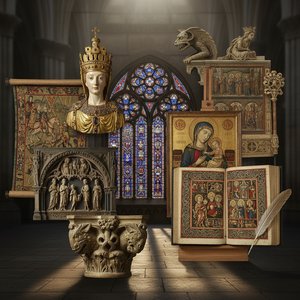
The collection housed within these ancient walls is a breathtaking tapestry of human creativity. For interior designers and curators, the museum's holdings offer a wealth of textures and narratives, ranging from the intricate Gothic splendors of the 15th century to the emotive power of contemporary installations. One cannot help but be moved by the masterful paintings of Jan Matejko , whose works capture the epic scale of Polish history, or the nuanced textures found in the decorative arts that reflect the sophisticated tastes of a bygone era. The museum's breadth is further enriched by the inclusion of works by Swiss masters such as Alberto Giacometti , reflecting the wide spectrum of European artistic expression.
Beyond the aesthetic beauty, the museum’s holdings are survivors. Each sculpture and canvas tells a story of survival, particularly through the poignant exhibits documenting the harrowing yet heroic years of World War II. The collection serves as a living memorial where art and memory become inseparable, featuring:
- Epic Historical Narratives: Monumental depictions of Polish history that capture the nation's soul.
- War-Era Documentation: Poignant accounts of the Warsaw Ghetto uprising and the daily struggles under occupation.
- Military Heritage: Reflections on the experiences of the Second Rifle Division, a courageous unit fighting for liberation.
- Decorative Arts: Exquisite pieces that illustrate the dynamic relationship between Polish and Swiss craftsmanship.
Through regular exhibitions that oscillate between established masterpieces and emerging contemporary talents, the institution remains a vibrant, breathing entity. It invites all who enter to contemplate the delicate balance between loss and legacy, offering a profound experience that resonates long after one has descended from the castle heights.