Royal Hospital ChelseaLondon, United Kingdom

Quick Facts

  • Location: London, United Kingdom
  • Art types: wallart
  • Movements: baroque
  • Featured artists:
    • bt sir godfrey kneller
    • john hanson walker
  • More…
  • Alternate names: Royal Hospital Chelsea
  • Works on APS: 2
  • Mediums: acrylic on canvas

A Haven of History: The Royal Hospital Chelsea

The Royal Hospital Chelsea, a name synonymous with both military honour and architectural grace, stands as a poignant landmark in the heart of London. Founded by Sir Christopher Wren in 1682 at the behest of King Charles II, it was originally conceived as a sanctuary for ‘old soldiers’ – veterans who had served the Crown with distinction but found themselves without means or support in their later years. More than just an almshouse, however, the Hospital quickly evolved into a symbol of national gratitude and remembrance, a place where stories of courage, sacrifice, and camaraderie are etched into every stone. The building itself is a masterpiece of Baroque design, its elegant façade and meticulously planned layout reflecting Wren’s genius for symmetry and proportion. The four magnificent buildings, arranged around five spacious courts, create an atmosphere of dignified calm, a fitting environment for the men who call it home. Walking through these grounds is akin to stepping back in time, encountering echoes of centuries past within the very walls that have sheltered generations of British soldiers.

Wren’s Vision and Architectural Splendor

Sir Christopher Wren, already celebrated for rebuilding St. Paul's Cathedral after the Great Fire of London, approached the Royal Hospital Chelsea with a similar ambition – to create a structure not merely functional but also inspiring. The buildings are constructed from brick, adorned with Portland stone detailing, and feature a distinctive Mansard roofline. The Long Gallery, stretching over 300 feet, is particularly noteworthy; its painted ceiling depicting scenes of military glory and the portraits of past benefactors serve as a powerful visual narrative of British martial history. The Chapel, completed in 1695, is another highlight, boasting exquisite woodwork and stained-glass windows that bathe the interior in ethereal light. Wren’s intention was to provide not only shelter but also a sense of community and spiritual solace for the veterans, and this ethos is palpable throughout the Hospital's design. The architecture isn’t simply about grandeur; it’s about creating a space conducive to reflection, dignity, and remembrance.

The Chelsea Pensioners: Guardians of Tradition

Today, the Royal Hospital Chelsea continues its original mission, providing care and accommodation for veterans of the British Army. However, the institution is perhaps best known for its iconic residents – the Chelsea Pensioners. These are not simply recipients of charity; they are distinguished former soldiers who embody a proud tradition of service and sacrifice. Recognisable by their distinctive scarlet coats, they participate in daily life at the Hospital, maintaining many of the customs and ceremonies that have evolved over centuries. The annual Founder’s Day parade, held each June, is a spectacular display of military precision and pageantry, offering a moving tribute to those who have served their country. Observing the Pensioners – their quiet dignity, their shared stories, their unwavering sense of camaraderie – is a profoundly affecting experience, a reminder of the human cost of conflict and the enduring power of the soldier’s spirit.

A Living Museum: Art, History & Remembrance

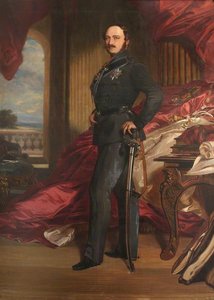
The Royal Hospital Chelsea has evolved into a unique cultural institution, functioning as both a home for veterans and a living museum. Its collection encompasses an impressive array of military artefacts, paintings, sculptures, and historical documents that chronicle the history of the British Army from the 17th century to the present day. The art collection includes portraits of notable military figures, battle scenes, and depictions of life in the army, offering valuable insights into the changing face of warfare and soldiering. Beyond its permanent displays, the Hospital hosts a programme of temporary exhibitions, lectures, and events that explore themes of conflict, remembrance, and national identity. The grounds themselves are beautifully maintained, providing a tranquil setting for contemplation and reflection.

Unique Appeal for Collectors & Interior Designers

The Royal Hospital Chelsea offers a distinctive source of inspiration for art lovers, collectors, and interior designers alike. The building’s Baroque architecture provides a stunning backdrop for showcasing classic and contemporary artworks, while the military history collection offers a wealth of visual references – from regimental colours and uniforms to weaponry and campaign medals. The rich colour palette of scarlet, gold, and deep blues found throughout the Hospital can be translated into sophisticated interior schemes, evoking a sense of tradition, elegance, and understated luxury. Furthermore, supporting the Royal Hospital Chelsea through patronage or acquisition of related artworks directly contributes to the well-being of its veteran residents, adding a layer of social responsibility to any collection or design project. The enduring legacy of this remarkable institution makes it a truly unique and inspiring destination for those seeking beauty, history, and meaning in art and architecture.

Art Quiz

There is only one correct answer for each question.

Question 1:
What architectural style is prominently featured in the Royal Hospital Chelsea's design?
Question 2:
Who commissioned the rebuilding of London after the Great Fire and subsequently designed the Royal Hospital Chelsea?
Question 3:
What is the primary purpose of the Royal Hospital Chelsea?
Question 4:
The Soane Stable Yard exemplifies which architectural legacy?
Question 5:
What symbol represents the nation's gratitude for those who serve in the British Army and is displayed at ceremonial events?
© 2026 mus3ums.com