
A Renaissance Sanctuary of Memory and Light
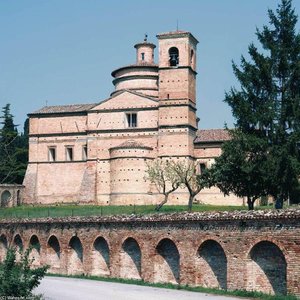
Nestled upon the serene heights of S. Donato, just outside the storied walls of Urbino, San Bernardino degli Zoccolanti emerges not merely as a place of worship, but as a profound architectural poem dedicated to the enduring legacy of the Montefeltro dynasty. This Renaissance masterpiece, conceived during the golden age of the Italian Quattrocento, serves as an intimate mausoleum where the boundaries between the earthly and the divine seem to dissolve. Commissioned by the formidable Duke Federico da Montefeltro, the structure was designed to honor Saint Bernardino of Siena while simultaneously anchoring his family's greatness in stone and spirit. To step inside is to enter a space where history breathes through the very marrow of its construction, offering a rare glimpse into the dynastic ambitions that once defined the heart of the Marche region.
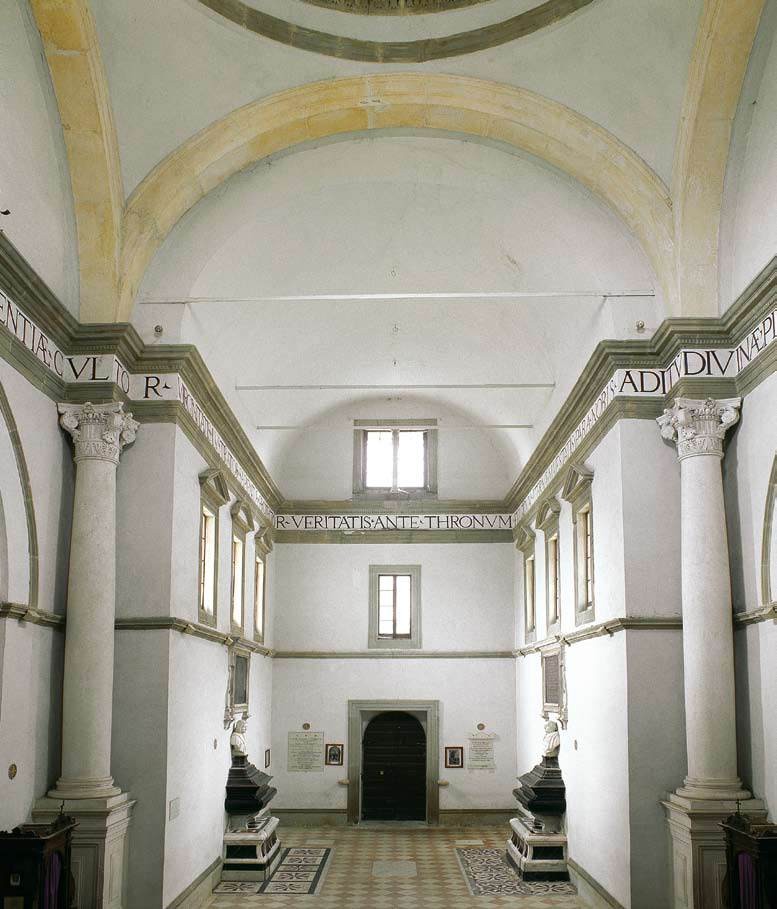
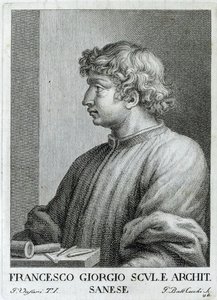
The architectural soul of the church is found in the visionary genius of Francesco di Giorgio Martini. His design for San Bernardino is a masterclass in Renaissance harmony, where classical proportion meets spiritual grandeur. The interior is dominated by a soaring barrel vault that evokes the majestic scale of Florentine basilicas, yet it retains a localized intimacy that speaks to its role as a private family monument. There is a deliberate, rhythmic dialogue between this sacred space and the nearby Palazzo Ducale Urbino; Martini skillfully mirrored elements of the Duke’s palace within the church's façade and dome, creating a unified aesthetic landscape that celebrates the interconnectedness of civic power and religious devotion. For the admirer of classical geometry, the building offers a captivating study in how light and shadow dance across surfaces designed to reflect eternal stability.
Beyond its structural brilliance, the collection within San Bernardino degli Zoccolanti offers moments of profound emotional resonance. The eye is immediately drawn to the magnificent funerary monuments of Duke Federico and his son, Guidobaldo. These tombs, adorned with exquisite sculptural details, are far more than markers of death; they are vibrant narratives of life, nobility, and faith, capturing scenes that immortalize the Montefeltro lineage. Amidst this solemn beauty, one finds the luminous presence of High Renaissance mastery, most notably in Raphael’s St. Cecilia with Sts. Paul, John Evangelists, Augustine and Mary Magdalene. Painted around 1516, this masterpiece brings a symphony of grace to the museum, utilizing the delicate sfumato technique to create an ethereal atmosphere that complements the church's serene surroundings. The painting’s balanced composition and spiritual depth serve as a perfect companion to the architectural equilibrium of Martini’s creation.
What truly distinguishes San Bernardino degli Zoccolanti is its unique position as a fusion of a religious sanctuary, a dynastic memorial, and an architectural triumph. It is a place where the echoes of the past—from the Etruscan symbolic significance of its location to the later 17th-century additions—converge to create a singular atmosphere of contemplation. For art lovers, collectors, and designers alike, the museum offers more than just a viewing of relics; it provides an immersive experience in the very essence of the Renaissance ideal. It remains a testament to a time when art was the ultimate language of immortality, inviting every visitor to witness the breathtaking intersection of human achievement and divine aspiration.