


A Florentine Tapestry: The Soul of Santa Trinita
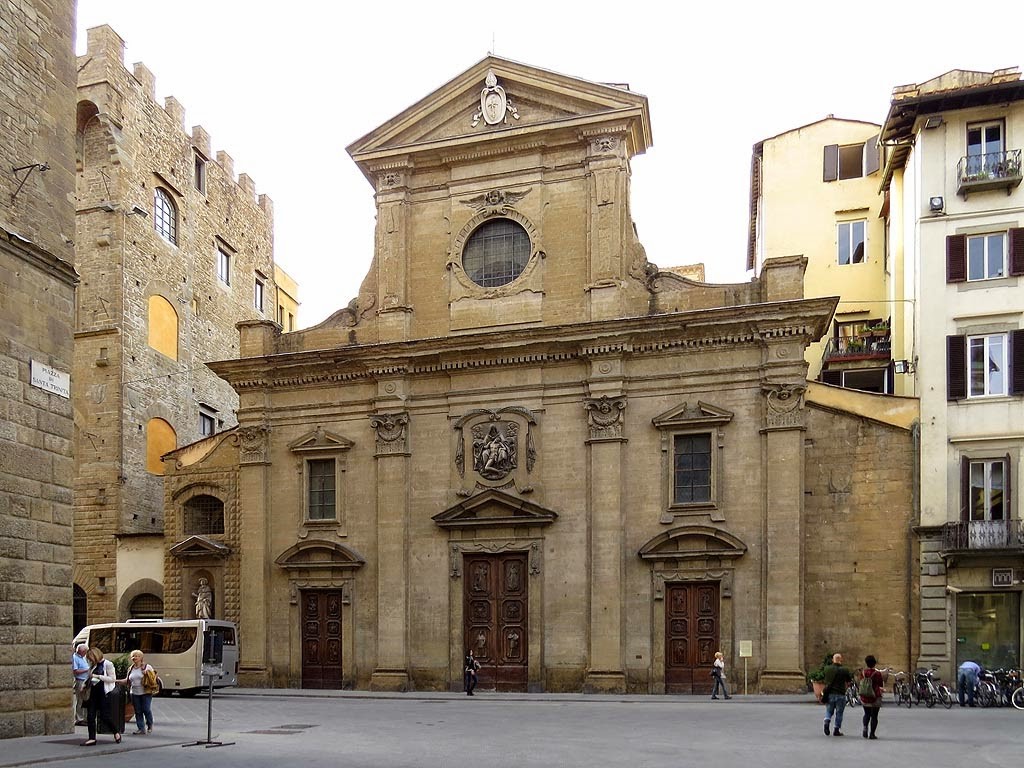
The Basilica di Santa Trinità stands as a testament to Florence’s enduring spirit—a beacon of Renaissance artistry and unwavering devotion nestled within the heart of the city. Its journey began in 1092, originally known as Santa Maria dello Spasimo , a modest Romanesque church dedicated to Mary of Spasimo that reflected the quiet piety of its earliest patrons. As the centuries unfolded, the structure underwent a profound metamorphosis; the 13th century brought a significant reconstruction that embraced Gothic influences, solidifying its role as the mother church of the Vallumbrosan Order. Yet, it is the audacious Mannerist façade conceived by Bernardo Buontalenti in the late 16th century that truly captivates the modern observer. This architectural marvel, adorned with a delicate bas-relief depicting the Trinity sculpted by Pietro Bernini and Giovanni Battista Caccini, embodies a harmonious blend of elegance and dynamism, inviting every visitor into a space where stone and spirit converge.
A Symphony of Light and Narrative
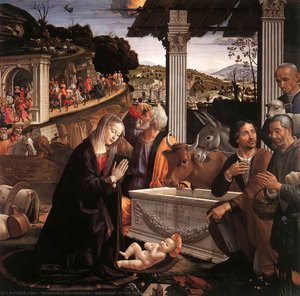
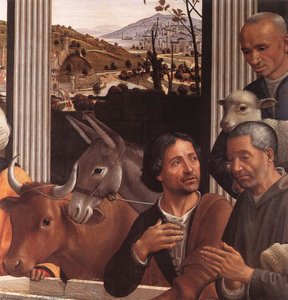
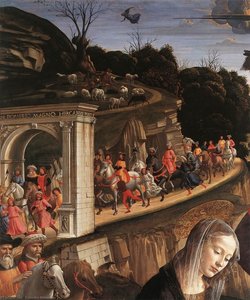
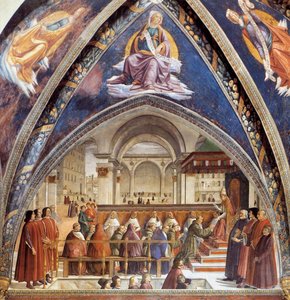
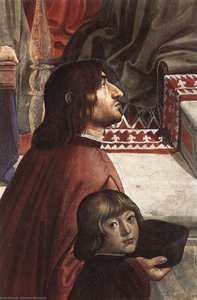
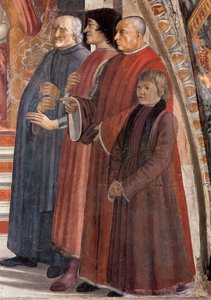
Stepping inside the basilica is an immersive experience, a panorama of Renaissance artistry dominated by frescoes that narrate biblical stories with breathtaking detail and vibrant color. The interior serves as a symphony of light and narrative, most notably within the Sassetti Chapel . Here, the master Domenico Ghirlandaio crafted canvases that offer a captivating glimpse into 15th-century Florentine life, utilizing a masterful sense of perspective to imbue each figure with an individual character that transcends time. This sacred atmosphere is further enriched by the Bartolini Salimbeni Chapel , where poignant scenes from the Passion of Christ serve as a powerful reminder of faith and human suffering.
While some of its most legendary treasures have found new homes in the Uffizi Gallery, their historical legacy continues to resonate deeply within these hallowed walls. The identity of Santa Trinita is inextricably linked to the Vallumbrosan Order —a monastic community founded on the principles of solitude, prayer, and manual labor. This spiritual lineage attracted the patronage of Florence’s most influential families, including the Strozzi and the Medici , whose immense generosity transformed the basilica into a symbol of civic pride and artistic excellence. Such wealth enabled the commissioning of magnificent artworks and architectural enhancements that define the Florentine landscape.
The Intersection of Divine Devotion and Human Genius
Beyond the immediate splendor of the interior, the experience of Santa Trinita extends to its surrounding landmarks. A tangible reminder of political and cultural ambition is the Column of Justice , gifted to Cosimo I de' Medici to commemorate the Florentine victory over Siena. Just beyond the church walls, the experience reaches a crescendo at the adjacent Ponte Santa Trinità . This Renaissance marvel offers stunning vistas of the Arno River, completing an aesthetic journey that celebrates the intersection of divine devotion and human genius. Whether admiring the elliptical arches of the bridge or the sacred frescoes within, one finds themselves enveloped in a landscape where history and art are eternally entwined.