

A Legacy Etched in Stone and Canvas
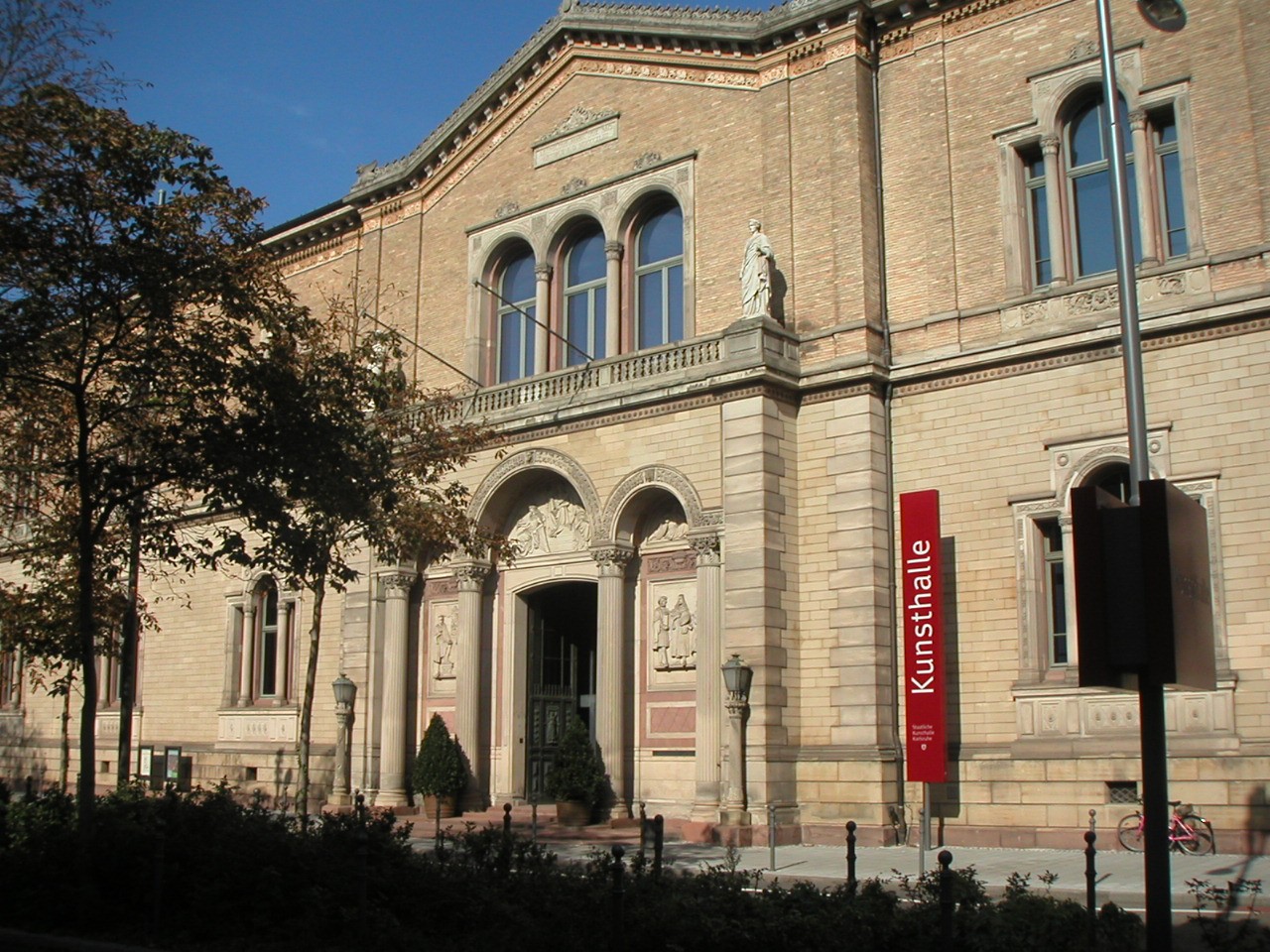
The Staatliche Kunsthalle Karlsruhe stands as a profound testament to seven centuries of European artistic endeavor, acting as a luminous beacon of cultural heritage nestled in the heart of Germany. More than just a repository for masterpieces, it offers an immersive journey through time, where the echoes of Renaissance workshops mingle with the vibrant, fleeting brushstrokes of Impressionist landscapes. The very structure of the institution speaks volumes about its grand ambition; designed by the visionary architect Heinrich Hübsch , it was conceived as a Gesamtkunstwerk —a total work of art—seamlessly integrating architecture, sculpture, and painting into a singular, harmonious whole.
Stepping inside is akin to entering a nineteenth-century gallery frozen in time, offering an authentic atmosphere rarely encountered in modern spaces. Remarkably preserved since its completion in 1846, the building’s neoclassical design is not merely a container for art but an active participant in the viewing experience. Hübsch’s symmetrical façade, elegant columns, and carefully proportioned galleries create a sense of order and grace that complements the masterpieces within. The interior layout, largely unchanged since its inception, reflects the curatorial practices of a bygone era, providing visitors with a unique insight into how art was historically displayed and appreciated.
A Tapestry of Masterpieces and Artistic Evolution
Within these hallowed walls, the collection boasts a remarkably diverse tapestry that caters to every artistic sensibility. The journey begins with the delicate beauty of Medieval and Renaissance works, offering glimpses into the nascent stages of European artistry. Here, one encounters the profound talents of German giants such as Albrecht Dürer , whose meticulous engravings continue to captivate the modern eye, and Matthias Grünewald , renowned for his emotionally charged altarpieces. The narrative then shifts into the dramatic world of the Dutch Baroque, where masters like Rembrandt utilize chiaroscuro to lend unparalleled depth and psychological complexity to portraiture and still life.
For lovers of light and color, the institution holds a distinguished collection of nineteenth-century French painting, allowing visitors to trace the evolution of modernity through the groundbreaking experiments of several legendary figures:
- Manet , whose works like Nana captured the provocative essence of Parisian life.
- Degas , seen in intimate works such as the Portrait of Madame Jeantaud , which masterfully navigates between Realism and Impressionistic sensibility.
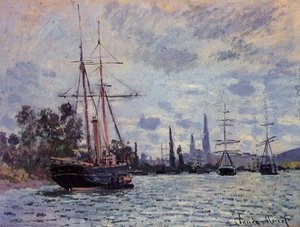
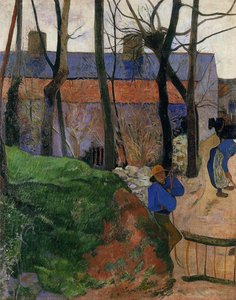
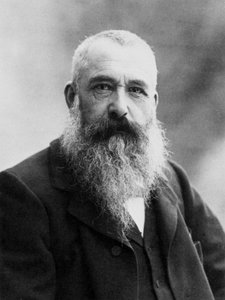
- Monet, Pissarro, Renoir, Cézanne, and Gauguin , whose brushstrokes redefined the perception of landscape and light.
What truly distinguishes the Staatliche Kunsthalle Karlsruhe is its unique confluence of historical immersion and specialized focus. While it embraces international influences with great sophistication, the institution remains deeply rooted in its commitment to celebrating the rich legacy of German art. It serves as a premier destination for art historians tracing the lineage of Impressionism, collectors seeking inspiration from the Old Masters, and interior designers looking for the timeless elegance of neoclassical harmony.