
A Jewel of Islamic Art on the Shores of Doha
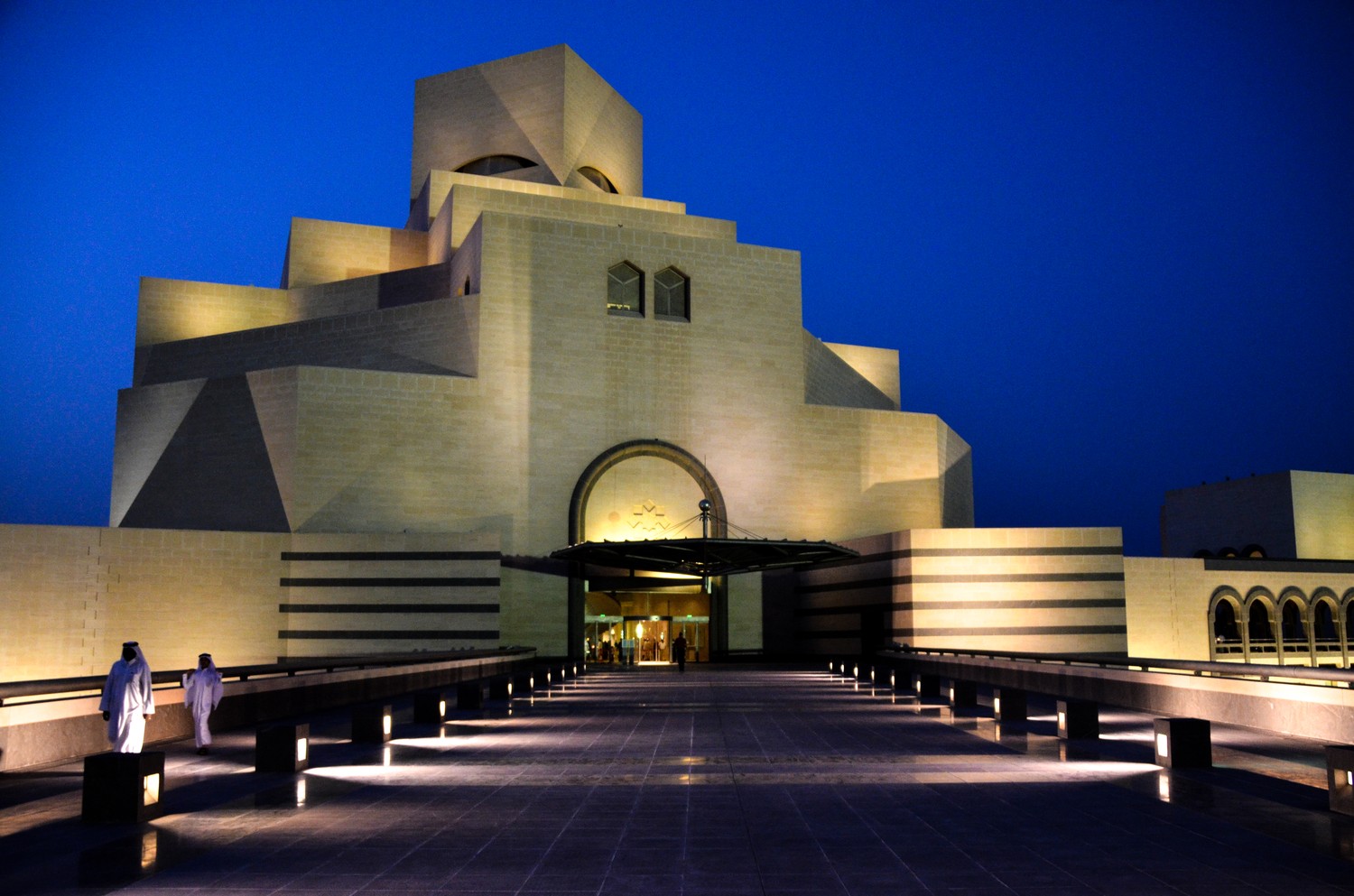
The Museum of Islamic Art (MIA) in Doha isn’t merely a repository of artifacts; it's an immersive experience, a journey through centuries of artistic expression and cultural exchange. Rising dramatically from the turquoise waters of the Persian Gulf, this architectural marvel—a testament to both tradition and modernity—immediately captivates with its scale and striking silhouette. Designed by the legendary I.M. Pei, the museum’s very existence is a story of ambition, overcoming logistical challenges, and ultimately celebrating the profound beauty inherent in Islamic art. The MIA's location, an artificial peninsula connected to the historic dhow harbor, creates a seamless blend between the ancient and the contemporary, offering visitors a unique perspective on Qatar’s rich heritage and its place within the global artistic landscape.
The building itself is a masterpiece of design, drawing inspiration from the geometric patterns and architectural vocabulary found throughout the Islamic world. Pei masterfully synthesized historical motifs – referencing elements like the intricate facades of mosques and palaces – with a distinctly modern sensibility. The limestone exterior shifts in color depending on the light, creating an ever-changing visual dialogue between the building and its surroundings. The soaring interior spaces, flooded with natural light, are punctuated by stunning views of the Doha skyline and the shimmering sea beyond. This careful orchestration of form and function speaks volumes about the museum’s ethos: to honor the past while embracing a forward-looking vision.
A Tapestry of Artistic Masterpieces
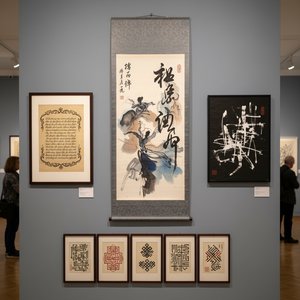
Within the MIA's walls, you’ll discover an extraordinary collection spanning over 14 centuries – from the early days of Islam through the 19th century. The museum’s holdings are remarkably diverse, encompassing calligraphy, textiles, ceramics, metalwork, manuscripts, and miniature paintings. Each object tells a story, revealing the complex cultural influences and artistic innovations that shaped the Islamic world. The collection is particularly renowned for its exquisite calligraphy; here, Arabic script evolves from its earliest forms to become highly refined works of art, demonstrating an unparalleled mastery of form and expression.
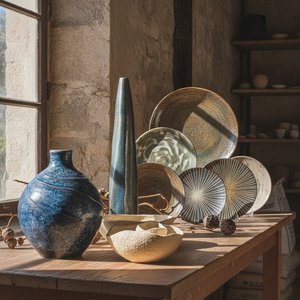
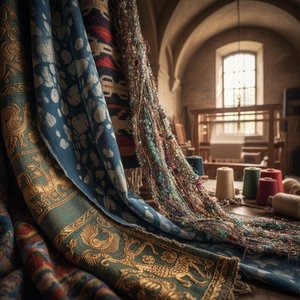
Exquisite carpets, silks, and other textiles showcase exceptional craftsmanship and regional styles – a testament to the skill of Islamic artisans. Delicate ceramics reveal a profound understanding of shape, decoration, and color, while intricately designed objects crafted from gold, silver, and bronze offer glimpses into the opulent lives of rulers and elites. Perhaps most captivating are the rare illuminated manuscripts and detailed miniature paintings, which provide invaluable insights into Islamic literature, storytelling, and intellectual life. These works aren’t simply decorative; they represent a sophisticated system of visual communication, conveying complex narratives and philosophical ideas.
Beyond Preservation: A Commitment to Sustainability and Engagement
The Museum of Islamic Art is far more than just a museum dedicated to preserving the past; it's a dynamic cultural hub committed to education, sustainability, and fostering dialogue. In November 2022, a landmark achievement solidified this commitment – the MIA became the first carbon-neutral certified museum in the Middle East, demonstrating an unwavering dedication to environmental responsibility. This ambitious goal reflects a broader ethos of mindful stewardship and sustainable practices.
Visitors can enjoy culinary delights at IDAM, a restaurant led by renowned chef Alain Ducasse that offers French Mediterranean flavors with an Arabic twist. The adjacent MIA Park provides a welcoming space for relaxation and recreation, featuring cafes, a children’s play area, and the striking “7” sculpture by Richard Serra – a monumental work of steel that adds a contemporary counterpoint to the museum's historic architecture. Furthermore, the museum actively engages with the community through workshops, seminars, school programs, and collaborations with leading museums worldwide, ensuring that the artistic legacy of the Islamic world continues to inspire future generations.
Notable Exhibitions and Ongoing Programs
The MIA regularly hosts a diverse range of exhibitions that delve into specific themes within Islamic art and culture. Currently, “A Seat at the Table: Food & Feasting in the Islamic World” explores the rich culinary traditions and social customs surrounding meals throughout the Islamic world, showcasing stunning ceramics, textiles, and manuscripts related to food preparation and consumption. The museum also hosts a series of engaging workshops and lectures designed for adults and children alike, offering opportunities to learn about Islamic art history, calligraphy, and design.
Don’t miss the opportunity to explore the MIA's extensive library, which houses a remarkable collection of books, manuscripts, and other resources related to Islamic art and culture. The library also offers study rooms for researchers and scholars, providing a valuable space for in-depth research and analysis. The museum’s website provides detailed information about upcoming exhibitions, events, and programs – a vital resource for anyone interested in learning more about this extraordinary institution.
A Living Legacy
The Museum of Islamic Art stands as a beacon of cultural understanding and appreciation—a place where visitors can immerse themselves in the beauty and complexity of Islamic art, explore its historical context, and connect with its enduring relevance. From its architectural grandeur to its meticulously curated collection and commitment to sustainability, the MIA offers an unforgettable experience that celebrates the rich artistic heritage of a global civilization. It’s more than just a museum; it's a testament to Qatar’s vision for the future—a place where tradition and innovation converge to create something truly exceptional.