

A Legacy Etched in Stone and Canvas
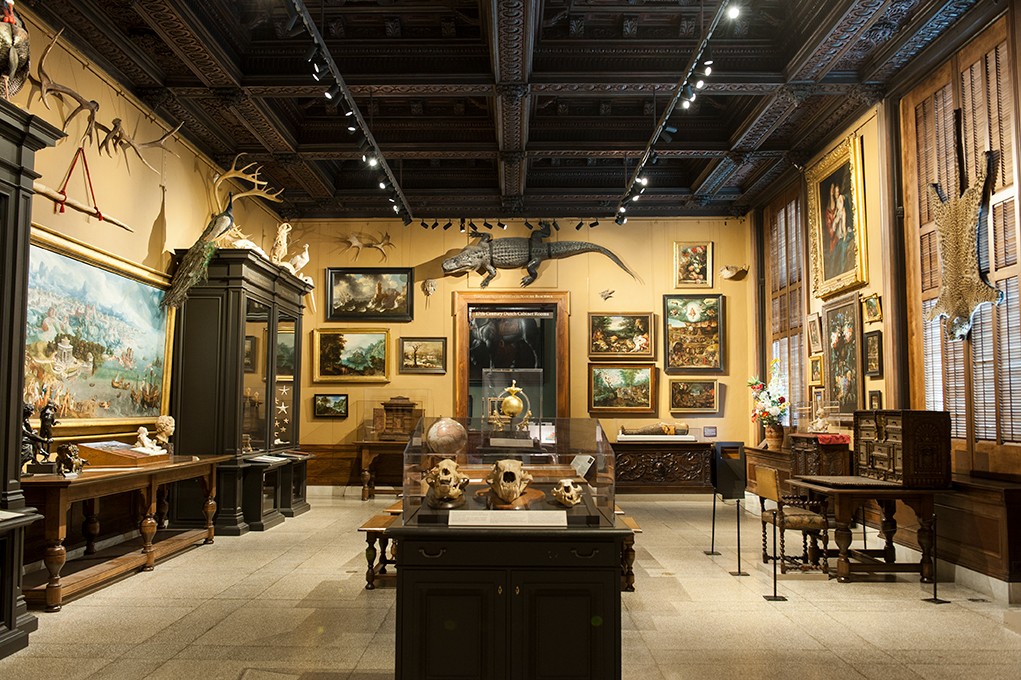
Nestled within the serene, historic embrace of Baltimore’s Mount Vernon neighborhood, The Walters Art Museum stands as a profound beacon of artistic patronage and enduring intellectual curiosity. It is far more than a mere repository for masterpieces; it is an immersive journey through millennia, a silent dialogue across cultures, and an intimate appreciation for the heights of human creativity. The museum's architectural grandeur, particularly the original Charles Street Gallery completed between 1905 and 1909, echoes the European palazzo style so passionately admired by the Walters family, creating a space where the weight of history meets the needs of the contemporary observer.
To walk through these galleries is to traverse the timeline of civilization itself. The collection offers an unparalleled study in form, texture, and the eternal human desire to immortalize beauty. For the collector or interior designer, the museum serves as a vital resource for inspiration, showcasing how light, shadow, and precious materials can transform a space.
A Journey Through Time and Texture
The narrative of the collection shifts seamlessly across eras, offering a breathtaking panorama that spans from the dawn of antiquity to the vibrant expressions of the present day. One might find themselves lost in the profound echoes of ancient worlds, entering Egyptian galleries that feel akin to stepping into a pharaoh’s tomb. Here, monumental statues of Sekhmet embody divine strength, while intricate sarcophagi and artifacts like “The Walters Mummy” offer poignant, whispered glimpses into daily life along the Nile.
This fascination with antiquity flows naturally into the Greco-Roman collections, where exquisite gold jewelry unearthed from Olbia sparkles alongside remarkably preserved Roman portrait heads. As the journey moves toward the medieval era, the museum reveals the delicate expressions of faith through elaborately crafted ivories and illuminated manuscripts. Each page, adorned with vibrant colors and shimmering gold leaf, transforms sacred text into visual storytelling, showcasing the painstaking skill of monks and artisans.
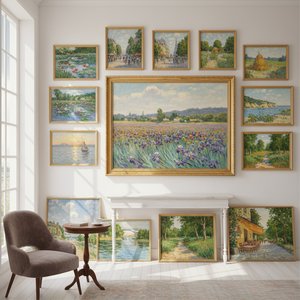
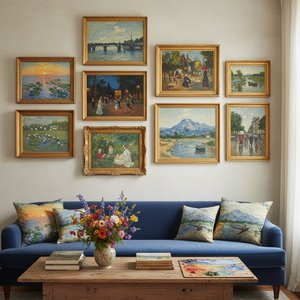
The museum's treasures reach a crescendo in the 19th-century European collections, where the transformative vision of Impressionist pioneers like Claude Monet and Edgar Degas captures the fleeting dance of light and color. Such works offer an unparalleled study in atmosphere and innovation, making the institution a cornerstone for those seeking to understand the interplay of luminosity and emotion.
A Shared Human Experience
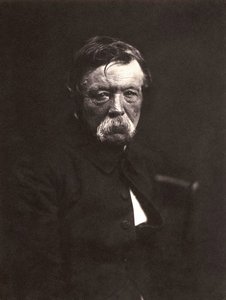
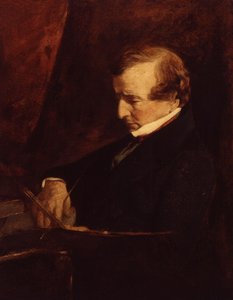
What truly distinguishes The Walters Art Museum is its unwavering commitment to accessibility and the democratization of knowledge. Founded upon the extraordinary collections amassed by William Thompson and Henry Walters , this institution invites every visitor to delve into a captivating narrative that offers free access to its wonders. By offering free admission, the museum ensures that art remains a shared human experience rather than an elite privilege.
This spirit of openness extends into the digital age, with the museum releasing nearly 20,000 high-resolution images under a Creative Commons license, inspiring artists and scholars worldwide. Ultimately, the museum’s unique character stems from its origins as a private collection transformed into a public resource—an intimate history that invites every visitor to contemplate art alongside those who first cherished it, preserving a legacy destined to endure for generations.