The Soul of the Canvas: The Life and Legacy of Alexander Christie
To wander through the annals of Scottish art history is to encounter the evocative presence of Alexander Christie, an artist whose brush captured the very essence of a changing era. Born in Aberdeen in 1901, Christie’s journey toward artistic mastery was far from linear, marked by a profound transformation of purpose. Before he ever held a palette with professional intent, he had begun a career in dentistry, yet the call of visual storytelling proved irresistible. This transition from the clinical precision of dental practice to the expressive freedom of the canvas allowed him to bring a unique, meticulous discipline to his work, particularly in his ability to render the subtle nuances of human anatomy and facial expression.
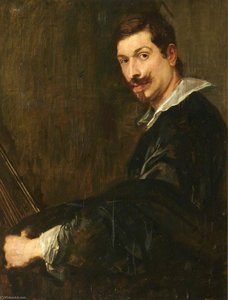
Christie’s formal education provided the bedrock for his burgeoning talent. After studying at Robert Gordon's College, he gained admission to the prestigious Gray's School of Art, eventually earning the Robert Brough Memorial Scholarship which allowed him to enroll at the Royal Academy Schools in London. This period of intense study was further enriched by a transformative year in Spain, funded by a traveling scholarship from Robert Gordon's College. It was amidst the sun-drenched galleries of the Prado that Christie’s eye for portraiture truly sharpened; he immersed himself in the great Spanish masters, absorbing their command of light and shadow, which would later infuse his own work with a profound sense of depth and psychological weight.
Mastery of Form and the Art of Portraiture
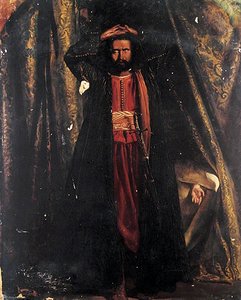
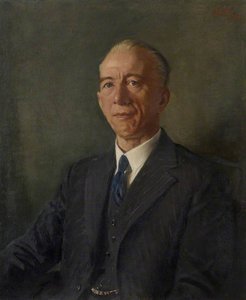
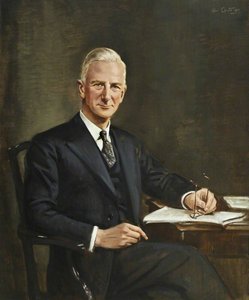
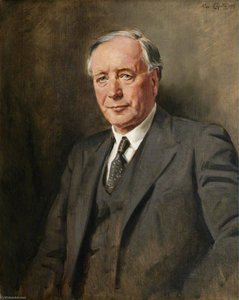
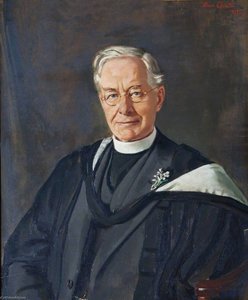
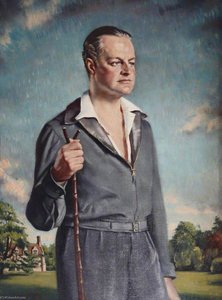
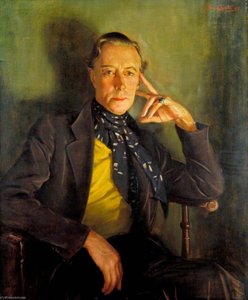
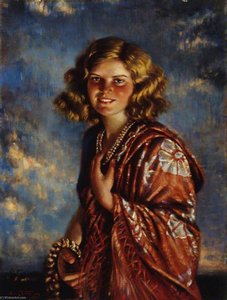
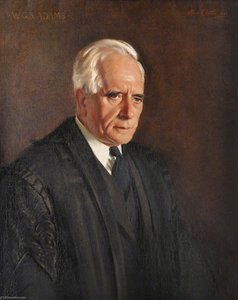
While Christie possessed a remarkable versatility—demonstrating an almost Sargent-like ability in his studies of Spain and showing great skill in landscapes and still lifes—it was in the realm of portraiture that he truly found his voice. His technique was characterized by a masterful command of various media, working with fluid grace in oil, the raw intimacy of charcoal, and the delicate touch of pastel. He possessed an uncanny ability to capture not just a likeness, but the very spirit of his subjects, a skill that earned him consistent acclaim at both the Royal Academy and the Royal Scottish Academy.
His early career was marked by significant milestones that signaled his ascent within the British art world:
- The Robert Brough Memorial Scholarship: A pivotal moment that facilitated his advanced training and international exposure.
- Recognition at the Royal Academy: His 1929 portrait of Mrs. Rose caught the critical attention of influential figures like John Malcolm Bulton, predicting a bright future for the artist.
- Exhibition Success: As a regular exhibitor in major London and Scottish academies, his work became a staple of the contemporary art dialogue of the interwar period.
A Lasting Impression on Scottish Art
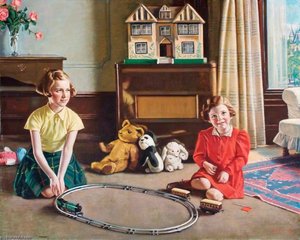
The significance of Alexander Christie lies not only in the technical brilliance of his compositions but in his role as a chronicler of character. His work serves as a window into the social fabric of his time, bridging the gap between the traditional sensibilities of the Victorian era and the burgeoning modernism of the early 20th century. Whether through the nostalgic warmth of a childhood scene like 'Marjory and Anne' or the striking intensity of his charcoal portraits, Christie maintained a commitment to realism that was both grounded and deeply emotive.
Though his life was tragically short, ending in 1946, the impact of his artistry remains indelible. He left behind a legacy defined by an unwavering dedication to the human form and an ability to find extraordinary beauty within the quiet moments of life. Today, Christie is remembered as a vital figure in the Scottish tradition, an artist who could translate the complexities of the human soul into the enduring language of paint and light.