
A Repository of Northern Traditions
The Musée des Beaux-Arts de Dunkerque occupies a significant position in the Nord-Pas-de-Calais region. Its origins trace back to 1838, following a series of city donations that began in 1829. The institution was officially established in 1841. Following the destruction of the original structure, the museum was rebuilt and inaugurated by Jean Chatelain. Today, the collections are managed by the Ville de Dunkerque. Since April 2015, the museum has been closed to the public as part of a municipal effort to consolidate its holdings with the Musée portuaire in the Citadelle district. During this period, the collections are presented through the Destination Musée initiative in various external locations.
The Permanent Collection
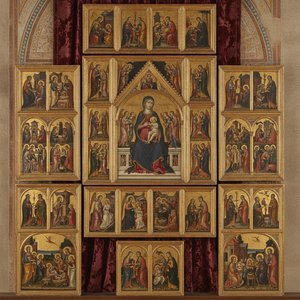
The holdings reflect a diverse range of movements and eras, spanning from the 16th to the 19th century. The collection is characterized by its focus on Flemish, Dutch, French, and Italian paintings. A significant portion of the works originated from the Abbaye de Saint-Winoc in Bergues. Beyond the canvas, the institution maintains a substantial natural history collection of over 10,000 specimens and an array of archaeological and ethnographic objects. These items include a rare mummy from Antinoé, which is covered in gold leaves.
- Dutch and Flemish masters of the 17th century
- Fauvist works, including pieces by Henri Matisse
- Impressionist and Pointillist paintings
- Archaeological artifacts and ethnographic objects from Africa, America, Asia, and Oceania
- Natural history specimens
Artistic Focus and Subject Matter
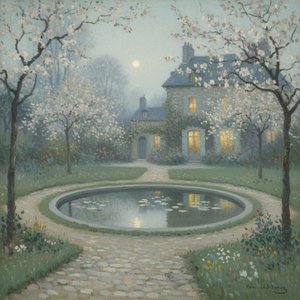
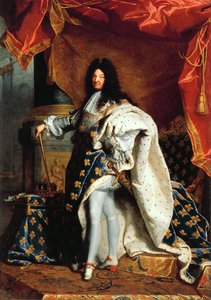
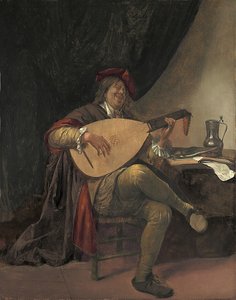
The paintings within the collection demonstrate a wide breadth of technique and intent. The works of Henri Le Sidaner are notable for their atmospheric qualities, often associated with the nuances of Impressionism. The collection also includes significant examples of Baroque intensity, such as the works of Hyacinthe Rigaud and Jan Steen. The presence of Fauvist color experimentation provides a modern contrast to the older academic traditions. The museum's holdings are categorized by their ability to bridge the maritime history of Dunkerque with broader European artistic developments.