

A Window into Nottinghamshire’s Soul
To step into the Nottinghamshire Archives is to cross a threshold between the frantic pace of modern Nottingham and a profound, silent sanctuary where time itself seems to pause. Situated in the heart of the city, this institution serves as much more than a mere repository for paper and ink; it is a living, breathing testament to the enduring power of human narrative. The archives act as a vessel for the collective memory of the county, preserving the delicate threads of identity that have been woven through centuries of struggle, triumph, and daily existence. For the art lover or the historian, the collection offers an unparalleled intimacy, allowing one to touch the very pulse of Nottinghamshire’s evolution.
The true magic of the archives lies in its remarkable assemblage of materials, where every document serves as a brushstroke in a much larger historical portrait. Within these walls, one might encounter the meticulous calligraphy of medieval charters, which detail ancient land disputes with a gravity that transcends time, or stumble upon the poignant, handwritten correspondence of Victorian citizens, offering a window into the emotional landscapes of a bygone era. For those drawn to the lineage of people and places, the parish registers stand as a genealogical goldmine, providing the precise details necessary to reconstruct family histories with breathtaking accuracy. This collection is not merely about facts; it is about the textures of life—the scent of aged parchment and the weight of legacies preserved against the erosion of forgetting.
Architectural Reverence and Curated Journeys
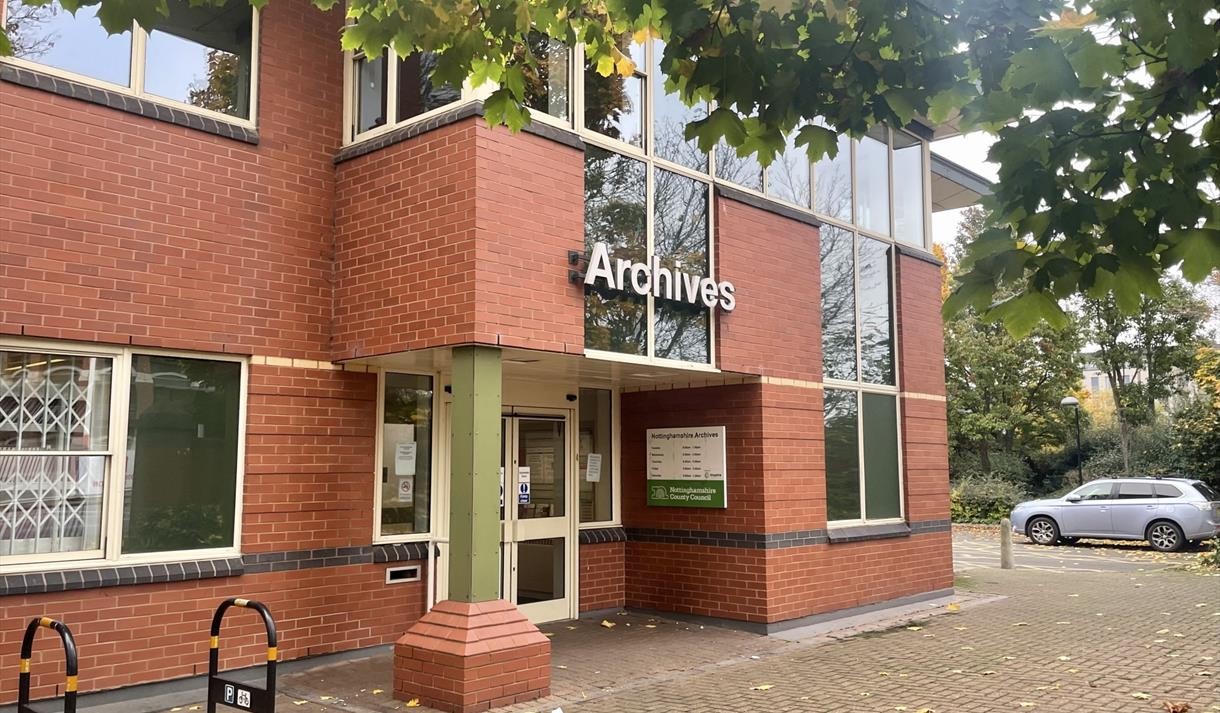
The architecture of the archives further enhances this sense of scholarly reverence. Reflecting the aesthetic sensibilities of the late Victorian era, the building presents an understated elegance that invites quiet contemplation. Its sturdy brickwork and soaring ceilings are designed to inspire a sense of awe, creating an atmosphere where the grandeur of the past feels physically present. This architectural legacy provides a dignified stage for the historical context of the region, from the early Roman settlements to the pivotal moments of the Norman conquest. One cannot help but feel the echoes of history within its halls, much like the way John Rawson Walker’s “View from Nottingham Castle” captures the atmospheric grandeur of the landscape through a Romantic lens.
Beyond its permanent holdings, the archives frequently host exhibitions that illuminate specific, vibrant facets of local heritage. These curated journeys have explored everything from the industrial ingenuity of Nottingham’s world-renowned lace industry to the complex, shifting cultural landscapes shaped by migration. Such displays transform the archive from a static vault into a dynamic cultural catalyst. Whether one is exploring the serene, rural nostalgia found in Henry Smyth’s “Windmills on Nottingham Forest” or the panoramic natural beauty depicted in Richard Parkes Bonington’s “Nottingham Meadows from the Rock Cliff,” the archives provide the essential context that breathes life into these artistic visions. It is this unique ability to bridge the gap between tangible historical record and the evocative power of art that makes Nottinghamshire Archives an indispensable destination for any seeker of truth and beauty.