Introduction
Imagine, if you will, stepping into a darkened cathedral where the only light comes from a single, flickering candle, casting long, dramatic shadows that dance against heavy velvet draperies. This is the very essence of the Baroque—a movement that did not merely seek to depict reality, but to overwhelm the senses, pulling the viewer into a world of profound emotion, theatrical grandeur, and breathtaking intensity. It was an era where art breathed with a pulse, capturing the tension between the divine and the earthly, the light and the deep, enveloping shadow.
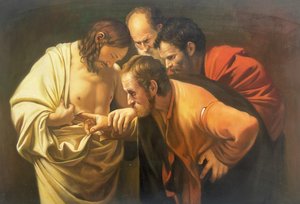
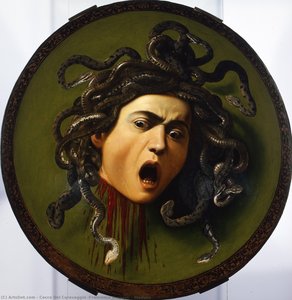
Emerging in the late 16th century, the Baroque period was a time of immense cultural upheaval and spiritual fervor. As Europe navigated the complexities of the Counter-Reformation and the expansion of new worlds, art became the ultimate vessel for storytelling. It moved away from the balanced, serene perfection of the Renaissance toward something much more visceral. Painters began to master chiaroscuro —that exquisite play of light and dark—to create a sense of movement and weight that felt almost tangible, as if the figures on the canvas might step directly into our own space.
Today, these masterpieces remain profoundly meaningful because they speak to the universal human experience. We still find ourselves moved by the same triumphs, the same agonies, and the same awe-struck moments of wonder that the masters captured centuries ago. Their work transcends the boundaries of time, offering us a window into a period where every brushstroke was an act of passion and every composition a carefully choreographed drama.
In the pages that follow, we shall wander through a curated selection of ten definitive works. Each one serves as a cornerstone of this magnificent era, inviting you to witness the unparalleled skill of artists who mastered the art of the spectacular. Prepare to lose yourself in the shadows and find yourself in the light as we explore the Top 10 Masterpieces That Defined the Baroque Style.
The Holy Family with Saint John the Baptist - Nicolas Poussin
 The Holy Family with Saint John the Baptist - Nicolas Poussin
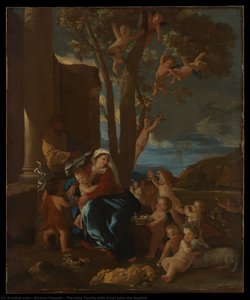
In The Holy Family with Saint John the Baptist , the eye is immediately drawn to the profound tactile depth of Poussin’s brushwork, where the soft, luminous skin of the Christ child contrasts beautifully against the heavy, textured folds of Mary’s blue cloak. This 1627 masterpiece exemplifies the Baroque era's ability to weave dramatic light with a structured, classical grace. Poussin utilizes a masterful interplay of shadow and brilliance to animate the symbolic elements—from the tender weight of the lamb held by Saint John to the distant, atmospheric mountains that breathe life into the landscape.
The painting’s true power lies in its ability to evoke emotion through its physical presence, a quality we strive to honor at Mus3ums.com. Our hand-painted oil reproductions are meticulously crafted to preserve this three-dimensional texture and the visible, soulful brushstrokes that define the Baroque style. We bring the museum experience into your private sanctuary, ensuring that the rich pigments and emotional weight of Poussin’s vision remain a tangible, living part of your home.
Diana and her Nymphs - Johannes Vermeer
 Diana and her Nymphs - Johannes Vermeer
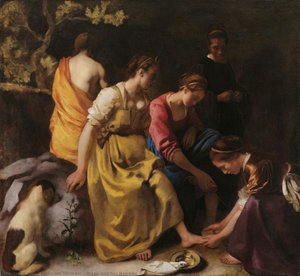
To step into the world of Diana and her Nymphs by Johannes Vermeer is to enter a sanctuary of soft light and whispered secrets. At Mus3ums.com, we believe in democratizing beauty, ensuring that the profound tranquility found in such masterpieces is never out of reach for the modern soul. This work earns its place among the Top 10 Masterpieces That Defined the Baroque Style through Vermeer’s unparalleled ability to transform a mythological scene into an intimate, domestic ritual.
While the Baroque era often leaned toward grand drama, Vermeer offers a revolutionary stillness. He captures the goddess Diana and her attendants not in mid-hunt, but in a moment of quiet contemplation, bathed in that signature, luminous glow that makes the textures of stone and silk feel almost tactile. The subtle interplay of chiaroscuro and the delicate, naturalistic details create an emotional depth that has influenced visual culture for centuries. This masterpiece does more than decorate; it breathes life into a space. By choosing a high-fidelity oil reproduction, you can bring this transformative, serene presence into your own home or personal gallery, inviting the timeless grace of the Dutch Golden Age into your daily life.
A Lady Standing at a Virginal - Johannes Vermeer
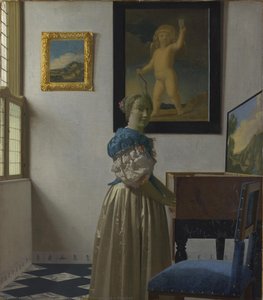 A Lady Standing at a Virginal - Johannes Vermeer
In the quietude of a Delft afternoon, light breathes life into A Lady Standing at a Virginal by Johannes Vermeer, capturing a moment where time itself seems to pause in reverence. At Mus3ums.com, we believe that such profound beauty should not be confined to distant museum halls; our mission is to democratize these masterpieces, making the sublime accessible to every collector. This work earns its place among the Top 10 Masterpieces of the Baroque Style through Vermeer’s unparalleled ability to transform a domestic scene into a spiritual experience. Through his masterful use of light and shadow, the luminous glow on the woman's blue silk sleeves and the delicate textures of the tiled walls create an immersive, tactile reality.
The painting is a symphony of symbolism, where the virginal represents cultural refinement and the cherub with a mirror invites us into deep introspection. It is this very ability to evoke stillness and intellectual grace that makes Vermeer so enduring. Today, this transformative presence can be brought into your own home, office, or personal gallery through our high-fidelity, hand-painted oil reproductions, allowing you to live surrounded by the quiet brilliance of the Dutch Golden Age.
Portrait of the Princes Palatine Charles-Louis I and his Brother Robert - Sir Anthony van Dyck
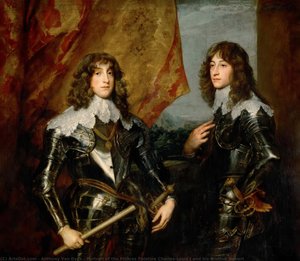 Portrait of the Princes Palatine Charles-Louis I and his Brother Robert - Sir Anthony van Dyck
What story does the atmospheric backdrop of Portrait of the Princes Palatine Charles-Louis I and his Brother Robert by Sir Anthony van Dyck tell us about the weight of a dynasty? Beyond the polished steel of their armor, the glimpse of a soft, distant landscape through an open window suggests a world of vast, untamed potential held in check by royal duty. Painted in 1637, this work stands as a cornerstone of the Baroque style , breaking ground through its masterful use of chiaroscuro to sculpt flesh and metal from deep, dramatic shadows.
Van Dyck does not merely paint figures; he weaves a tapestry of power using rich crimson drapery and luminous, skin-like textures that invite the eye to linger. For the modern collector seeking an escape into history, this masterpiece offers more than decoration; it provides a window into an era of unparalleled grandeur. Integrating such a commanding piece into a curated home allows one to capture that quintessential Baroque tension between strength and elegance, bringing a profound sense of historical depth and regal splendor to any contemporary space.
Old man Dressed as Saint Paul - Rembrandt van Rijn
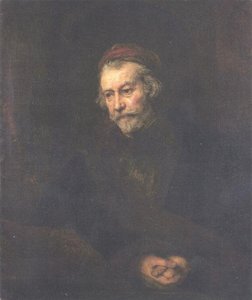 Old man Dressed as Saint Paul - Rembrandt van Rijn
To gaze into the eyes of the figure in Old Man Dressed as Saint Paul is to encounter a soul suspended in a moment of profound, quiet prayer. In this 1632 masterpiece, Rembrandt van Rijn does not merely paint a portrait; he captures the very weight of existence. Through his legendary use of chiaroscuro , a single, unseen light source illuminates the weathered textures of the man's face and his clasped hands, while deep, velvety shadows swallow the periphery, pulling us into his private world of contemplation.
This work stands as a cornerstone of the Baroque style because it transcends historical costume to touch upon a universal psychological truth—the dignity found within suffering and the beauty of spiritual introspection. The muted palette of earthy browns and somber reds creates an atmosphere of stillness that is almost tactile. Bringing such a powerful emotional resonance into your own home can transform a quiet corner or a personal sanctuary into a space for deep reflection, inviting a sense of timeless calm and grace into your daily life.
The Adoration of the Shepherds - Francisco de Zurbarán
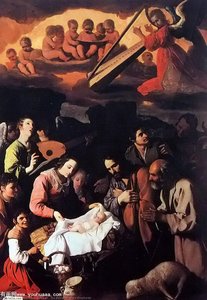 The Adoration of the Shepherds - Francisco de Zurbarán
In the quiet, hallowed atmosphere of Francisco de Zurbarán’s The Adoration of the Shepherds , time seems to suspend itself, inviting you into a moment of profound spiritual stillness. As one of the most evocative works in our exploration of the Top 10 Masterpieces That Defined the Baroque Style , this painting does not merely depict a biblical event; it creates a visceral experience of faith through the mastery of tenebrism .
There is a gaze within this work that follows you—not with judgment, but with a deep, soulful understanding. The dramatic interplay of chiaroscuro sculpts rugged, weather-beaten shepherds out of the enveloping shadows, their coarse woolen mantles and the soft fleece of nearby sheep rendered with tactile precision. The light does not simply illuminate; it reveals the extraordinary within the ordinary. To possess such a piece is to invite a mirror into your home—a reminder that even in the deepest shadows, there is a luminous presence waiting to be seen. It is a masterpiece of grounded serenity, perfect for a space dedicated to contemplation and peace.
Merry Society - Johannes Vermeer
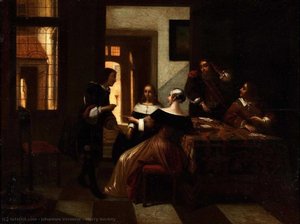 Merry Society - Johannes Vermeer
To possess a piece inspired by Merry Society by Johannes Vermeer is to invest in a profound legacy of taste and the quiet brilliance of the Dutch Golden Age. As one of the most significant works defining the Baroque style, this masterpiece captures a fleeting moment of social intimacy, rendered with Vermeer’s unparalleled mastery of light and shadow. The composition breathes with life; figures gather around a dining table, their gestures caught in a delicate dance of chiaroscuro that elevates a simple domestic scene into a monumental study of human connection.
The painting's enduring market value and historical influence stem from Vermeer’s revolutionary technique—using translucent glazes to create a luminous, tactile reality that feels almost palpable. For the discerning collector, integrating such a work into a modern luxury interior offers more than mere decoration; it provides an anchor of cultural authority. A high-quality, hand-painted reproduction carries this same aesthetic prestige, bringing the soft, atmospheric glow of 17th-century Delft into the sophisticated architecture of a contemporary home, ensuring that the soul of the Baroque movement continues to resonate with timeless elegance.
San Hugo, Bishop of Grenoble - Francisco de Zurbarán
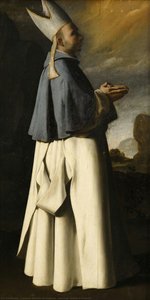 San Hugo, Bishop of Grenoble - Francisco de Zurbarán
In the quiet, shadowed corridors of the Baroque era, few works capture the profound stillness of devotion quite like San Hugo, Bishop of Grenoble by Francisco de Zurbarán. As one of our top selections defining the Baroque style, this masterpiece transcends mere portraiture; it is a visual prayer. Through his legendary use of tenebrism, Zurbarán directs a singular, ethereal light to illuminate the Saint’s humble features and heavy robes, leaving the rugged Pyrenees in a mysterious, velvety darkness. This dramatic interplay of light and shadow—the very heartbeat of the Spanish Baroque—invites us into a moment of deep, introspective sanctity.
The painting earns its place among the era's greatest achievements through its ability to turn texture and light into spiritual substance. The weight of the fabric and the solemnity of the Saint’s downward gaze remind us that beauty often resides in austerity and quiet strength. For the modern collector, bringing such a piece into a curated space offers more than decor; it introduces a timeless conversation on peace and permanence, allowing the dramatic soul of the Counter-Reformation to breathe life into contemporary surroundings.
angel thurifer - Francisco de Zurbarán
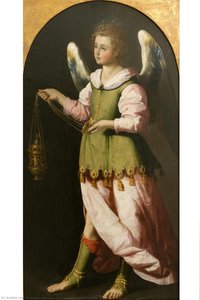 angel thurifer - Francisco de Zurbarán
To possess a study of Angel Thurifer by Francisco de Zurbarán is to invest in a profound legacy of spiritual depth and refined taste. As one of the definitive masterpieces of the Baroque style, this work commands its place among the top ten through its masterful use of tenebrismo —that dramatic, shadow-drenched chiaroscuro that defines the Spanish Golden Age. Zurbarán, often revered as the 'Spanish Caravaggio,' captures a moment of celestial stillness; the angel emerges from an impenetrable void, illuminated by a soft, divine light that catches the luster of a gold crown and the solemnity of a grieving expression.
The painting’s market significance lies in its ability to evoke intense emotional resonance through simplicity, making it a cornerstone for collectors of religious and dramatic art. Beyond the museum walls, the Angel Thurifer offers an unparalleled aesthetic authority for modern luxury interiors. A high-quality, hand-painted oil reproduction brings this same sense of quiet majesty and historical prestige into a contemporary home, serving as a soulful focal point that transcends time.
Belshazzar's Feast - Rembrandt Peale
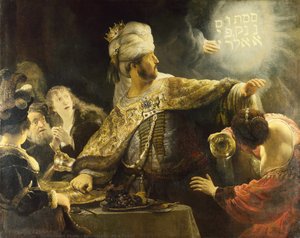 Belshazzar's Feast - Rembrandt Peale
In the grand tapestry of the Baroque era, Rembrandt Peale’s Belshazzar's Feast stands as a breathtaking testament to the power of drama and divine intervention. While Peale is often celebrated for his neoclassical precision, this particular masterpiece captures the very essence of the Baroque spirit: the tension between earthly opulence and sudden, celestial judgment. As we wander through this scene of gilded goblets and heavy silks, we are not merely observing a biblical banquet; we are witnessing the moment where human pride meets an inescapable truth.
This work earns its place among the top 10 masterpieces that defined the Baroque style through its masterful use of chiaroscuro —the dramatic interplay of light and shadow that pulls the viewer into the center of the feast. The way the candlelight dances off the silver vessels and illuminates the startled faces of the dignitaries creates a sensory experience that feels almost tactile. It invites us to reflect on our own perceptions of power and permanence. Bringing such a profound narrative into a modern collection allows for a timeless conversation between historical gravity and contemporary elegance, making it an incomparable centerpiece for any curated home.
Conclusion
As the light fades on our journey through these dramatic shadows and golden highlights, we find that the Baroque era is far more than a closed chapter in a history book. It remains a living, breathing pulse within our modern lives. These masterpieces do not merely hang upon walls; they inhabit them, bringing with them a profound sense of theater, an intimacy of emotion, and a weight of human experience that transcends the centuries. When we gaze into the deep chiaroscuro of a Caravaggio or feel the sweeping movement of a Rubens, we are participating in an eternal dialogue—one that speaks to our deepest joys, our most quiet sorrows, and our enduring wonder at the beauty of existence.
To bring such works into one's home is to invite a soulful presence into the everyday. Whether it is the way a single, hand-painted brushstroke catches the morning sun in your study, or how a grand, dramatic composition anchors a quiet corner of your living room, these paintings serve as windows into a more passionate way of seeing. They remind us that even in our most modern spaces, there is room for the sublime, for the textured, and for the magnificent. We invite you to continue this exploration and find the piece that speaks to your own story within our full collection , allowing the timeless spirit of the Baroque to illuminate your world.