
A Legacy of Patronage: The Soul of the Duke of Westminster’s Collection
To step into the orbit of the Collection of the Duke of Westminster is to enter a realm where history is not merely studied, but lived through the medium of exquisite beauty. This privately amassed trove, rooted in the heart of London and finding a public voice through the Grosvenor Museum in Chester, represents far more than a mere gathering of precious objects; it is a profound narrative of British aristocratic devotion. For centuries, the Dukes of Westminster have acted as custodians of culture, weaving a tapestry of artistic excellence that reflects shifting tastes, from the meticulous humanist ideals of the Renaissance to the sweeping romanticism of later eras. The collection serves as a silent witness to the enduring power of patronage, embodying a commitment to preserving the very essence of cultural heritage for generations yet unborn.
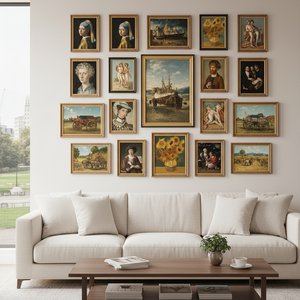
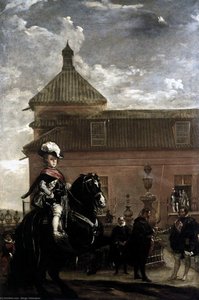
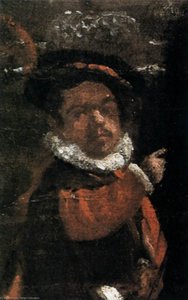
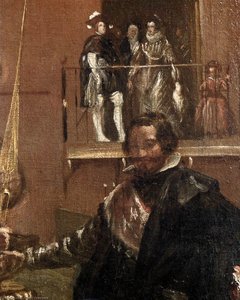
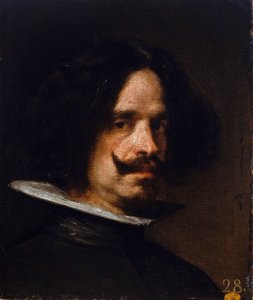
At the heart of this magnificent assemblage lies an unparalleled selection of Old Master paintings that command the room with their quiet authority. One cannot help but be moved by the captivating portraits and landscapes attributed to luminaries such as Diego Velázquez , whose mastery of light and shadow brings a startling vitality to the canvas. These works are not merely decorations; they are windows into a bygone era, reflecting a profound understanding of nature and the human condition. The collection further invites a deeper exploration through its extraordinary silver assemblage, where the brilliance of precious metals meets the ingenuity of master silversmiths. From opulent tableware designed for the grandest of feasts to intricately crafted decorative items that once graced the halls of stately residences, each piece tells a story of wealth, status, and the transformative skill required to turn raw metal into breathtaking art.
The sensory experience of the collection is deepened by its delicate works on paper, where the ephemeral becomes eternal. In the subtle washes of watercolors and the sharp, precise lines of etchings and engravings, one finds the intimate traces of genius. The works of Rembrandt and Canaletto offer a glimpse behind the curtain of the creative process, capturing fleeting moments and profound emotions with remarkable technical precision. This interplay between the monumental scale of oil paintings and the delicate intimacy of prints creates a rhythmic dialogue within the galleries, ensuring that every corner of the collection offers a new discovery for the discerning eye.
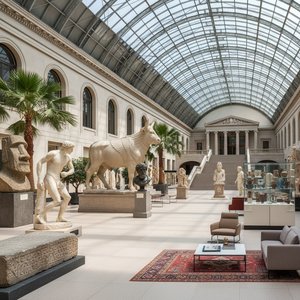
The architectural setting of the Grosvenor Museum in Chester provides a majestic stage for these treasures. Designed by Sir Richard Vernon in 1874, the museum’s grandeur reflects the Victorian ideals of elegance and scholarship, offering a dignified sanctuary for the art it houses. While the collection is famously private, its periodic public exhibitions—ranging from Tudor portraiture to evocative Impressionist landscapes—bridge the gap between aristocratic seclusion and public enlightenment. It is this unique tension between the private legacy of the Grosvenor dukes and the shared joy of the museum visitor that makes the collection so singular. For the art lover, the collector, or the interior designer seeking inspiration, the Collection of the Duke of Westminster offers more than just a viewing; it offers an immersion into a continuous lineage of beauty, intellect, and unwavering passion.