The Soul of Sarnano: Unveiling the Collegiata di Santa Maria di Piazza Alta
Nestled within the historic heart of Sarnano, a picturesque town in Italy’s Marche region, stands the Collegiata di Santa Maria di Piazza Alta – a testament to centuries of artistic devotion and architectural evolution. More than just a church, it's a vibrant chronicle of medieval life, faith, and the enduring spirit of this captivating corner of Italy. The Collegiata invites visitors on a journey through time, offering a profound connection to the past and a breathtaking display of Romanesque artistry.
The origins of the Collegiata are shrouded in a fascinating blend of legend and documented history. While precise founding dates remain debated – some scholars trace its roots back to the 12th century, others point to earlier influences – what’s undeniable is its evolution over centuries. Initially conceived as a modest structure serving the community, it gradually expanded and transformed under the patronage of local families and religious orders. The building's very bones reflect this layered history; Romanesque solidity intertwines with later additions and stylistic shifts, creating a unique architectural tapestry.
A Masterpiece of Romanesque Design
The Collegiata’s architecture immediately captivates with its robust Romanesque character. Massive stone walls, arched doorways that seem to beckon you into another era, and simple yet elegant proportions speak volumes about the skill and ambition of its builders. The exterior is a study in restrained grandeur – a deliberate choice reflecting the prevailing aesthetic sensibilities of the time. Notice particularly the carefully crafted portals, adorned with intricate carvings depicting biblical scenes and symbolic motifs. These details aren’t merely decorative; they served as visual narratives for those who couldn't read, conveying stories of faith and salvation.
Inside, the church unfolds like a sacred space designed to inspire awe and contemplation. The nave is defined by soaring arches that draw the eye upwards towards the heavens, while the crypt – accessed via narrow staircases – offers a glimpse into the more intimate and contemplative aspects of medieval religious life. The overall effect is one of profound serenity and spiritual resonance.
A Treasury of Medieval Frescoes
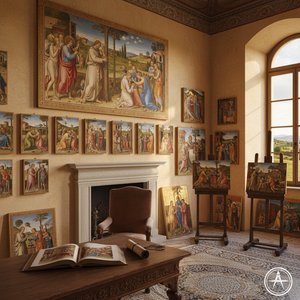
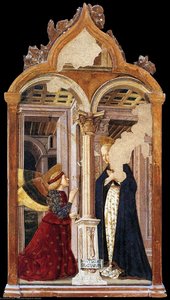
However, it’s within the Collegiata's walls that its true treasures reside: an extraordinary collection of medieval frescoes. These vibrant paintings, remarkably preserved despite the passage of centuries, are arguably the church’s most compelling feature. Created by a succession of talented artists – including Lorenzo D’Alessandro, Antonio and Giangentile di Lorenzo, and Paolo Bontulli da Percanestro – these frescoes depict scenes from the Bible, the lives of saints, and allegorical representations of Christian virtues.
The artistry is remarkable—a blend of realism and symbolic interpretation characteristic of the period. Pay close attention to the details: the expressive faces of the figures, the rich colors, and the meticulous rendering of drapery. The frescoes aren’t simply decorative; they were intended to educate and inspire the faithful, conveying complex theological concepts in a visually accessible manner. The recent restoration has brought these masterpieces back to life, allowing visitors to fully appreciate their beauty and significance.
Beyond the Frescoes: A Collection of Religious Art
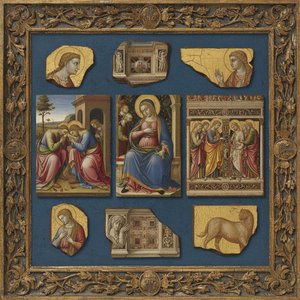
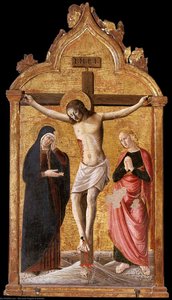
Alongside the frescoes, the Collegiata houses a selection of significant religious paintings, showcasing the skill of local and regional artists throughout history. These works complement the frescoes, offering further insights into the artistic conventions and spiritual beliefs of the time. The collection also includes Romanesque architectural details – capitals adorned with intricate carvings, doorways framed by elaborate designs, and structural elements that demonstrate the craftsmanship of Romanesque builders. Each element contributes to a holistic experience, immersing visitors in the rich cultural heritage of Sarnano.
A Living Sanctuary
The Collegiata di Santa Maria di Piazza Alta is not merely a historical monument; it remains an active place of worship today. This continuity between past and present adds another layer of depth to its significance. It’s a space where the echoes of medieval faith resonate alongside the rhythms of contemporary life, offering visitors a unique opportunity to connect with centuries of cultural heritage. A visit here is more than just sightseeing; it's an encounter with the soul of Sarnano.