



A Private Sanctuary of Baroque Splendor
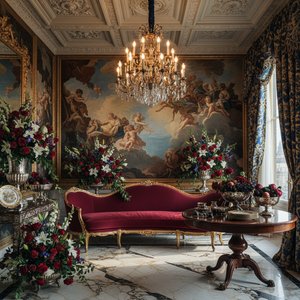
Nestled within the vibrant pulse of Rome’s Via del Corso, the Galleria Doria Pamphilj offers an experience that transcends the typical museum visit, inviting guests into a living time capsule of aristocratic grandeur. Unlike many state-run institutions, this gallery remains a profound testament to the enduring legacy of the Doria Pamphilj family, whose private collection has been meticulously curated over centuries. Stepping through its grand entrance is akin to entering a world where the boundaries between public exhibition and private residence blur, offering an intimate encounter with the opulence of 16th and 17th-century Roman life. The palazzo itself serves as a breathtaking stage, where the architecture reflects the evolving ambitions of a dynasty that once wielded immense papal influence.
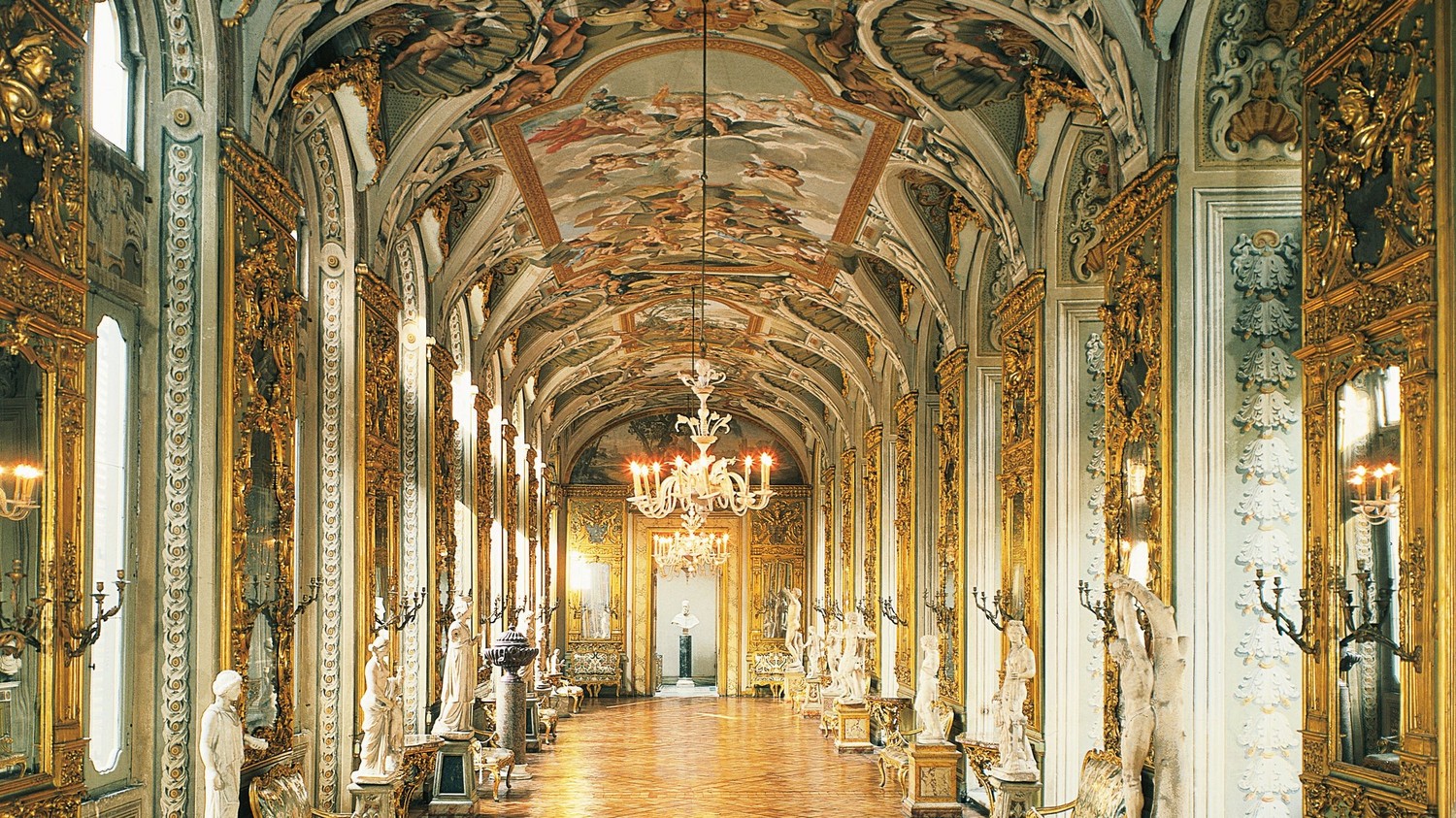
The architectural journey through the palace is one of continuous discovery, moving from Renaissance foundations to the theatrical heights of the Baroque era. The façade, designed by Gabriele Valvassori, stands as a striking exemplar of Baroque grandeur, adorned with intricate ornamentation that commands the attention of every passerby. Inside, the state rooms unfold like a choreographed dance of light and luxury, featuring magnificent frescoes commissioned during the reign of Pope Innocent X. For the art lover and interior designer alike, the palazzo provides an unparalleled masterclass in period decoration, where every gilded molding and marble surface contributes to a cohesive narrative of power, piety, and aesthetic perfection.
Masterpieces of Light and Shadow
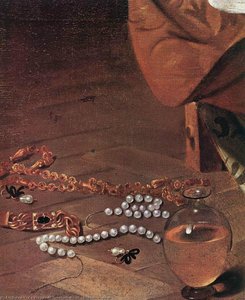
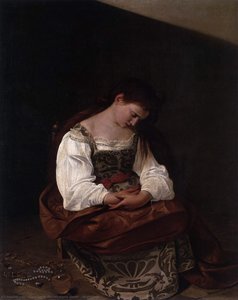
At the heart of the collection lies a profound dialogue between light and darkness, most notably embodied in the works of Caravaggio. The gallery houses extraordinary examples of his mastery, such as the Penitent Magdalen , where the artist’s signature use of chiaroscuro plunges the scene into deep, emotive shadows, punctuated only by radiant highlights that illuminate the subject's spiritual struggle. This dramatic tension is echoed in the Magdalene (detail) , a piece that captures the raw, introspective sorrow and eventual rebirth of the saint with a psychological depth that remains unsettlingly modern. These canvases do not merely depict religious scenes; they breathe with a palpable human vulnerability that draws the viewer into their sacred drama.
The collection’s ability to capture the essence of the human spirit reaches its zenith in Diego Velázquez’s monumental portrait of Pope Innocent X. This masterpiece transcends mere royal portraiture, utilizing a sophisticated interplay of light and shadow to reveal the complex inner life of the pontiff—capturing both his formidable authority and a subtle, underlying anxiety. This psychological realism is perfectly complemented by Gian Lorenzo Bernini’s sculpted bust of the same Pope. In this marble triumph, Bernini manipulates the stone to convey a serene yet solemn grandeur, creating a sculptural counterpart to Velázquez's painterly depth. Together, these works represent the pinnacle of Baroque innovation, where the physical form becomes a vessel for profound spiritual and political expression.
A Symphony of Artistic Legacy
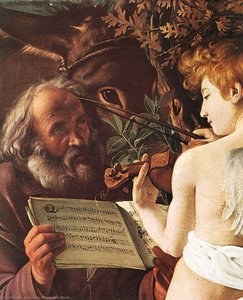
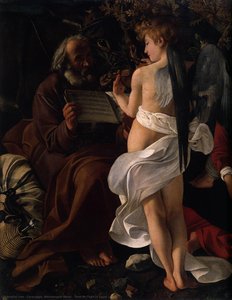
Beyond the heavyweights of the Baroque, the Galleria Doria Pamphilj offers a vibrant symphony of styles that showcase the breadth of Roman artistic achievement. The presence of Annibale Carracci’s Flight into Egypt introduces a dynamic composition and rich symbolism that balances the intense drama of Caravaggio with classical grace. As one wanders through the galleries, the works of Artemisia Gentileschi, Guido Reni, and Annibale Carracci weave together a tapestry of innovation and tradition, illustrating how successive generations of artists pushed the boundaries of convention while upholding the ideals of beauty and form.
What truly distinguishes this gallery is its enduring intimacy. Because it remains under the stewardship of the Doria Pamphilj family, the collection retains an atmosphere of personal devotion rather than clinical observation. This sense of living history is further enriched by periodic concerts held within the palazzo's state rooms, where the echoes of music mingle with the silent gaze of centuries-old masterpieces. For collectors and enthusiasts, the Galleria Doria Pamphilj is not merely a place to view art; it is a destination to experience the very soul of Roman Baroque splendor, preserved in its original, magnificent context.