

A Baroque Jewel: The Soul of Dresden’s Artistic Heritage
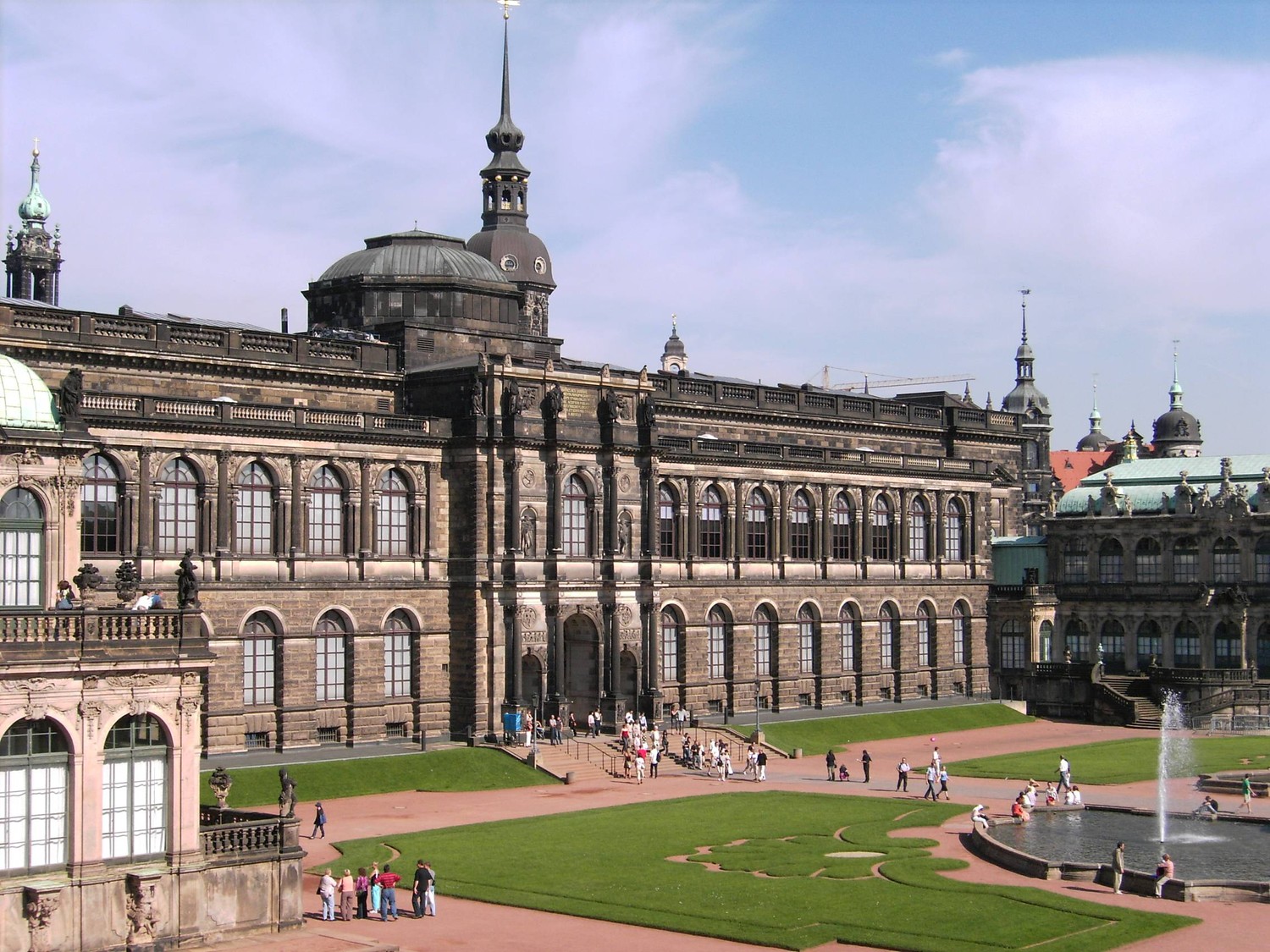
Nestled within the magnificent Zwinger Palace in Dresden, Germany, the Gemäldegalerie Alte Meister is far more than a mere repository for canvas and pigment; it is an immersive journey through five centuries of European artistic achievement. To enter this gallery is to step into a world where the very stones of its Baroque surroundings whisper tales of royal ambition and cultural flourishing. The museum’s story is inextricably interwoven with the history of Dresden itself—a city that has been both a site of unparalleled splendor and a landscape reborn from the ashes of war. Before one even encounters the masterpieces within, the architectural grandeur of the Zwinger Palace captivates the senses. Designed by Matthäus Daniel Pöppelmann in the early 18th century under the patronage of Augustus the Strong, this opulent complex was originally conceived as an orangery and festival arena. Its playful blend of pavilions, galleries, and elaborate sculptures was intended to celebrate the power and refined taste of the Saxon court, creating a stage where fountains dance in courtyards and statues seem to stir amidst Baroque flourishes.
The collection itself serves as a breathtaking tapestry of artistic evolution, specializing in the profound depths of the Renaissance and Baroque periods. Within these hallowed halls, one encounters a remarkable concentration of Italian masters whose works define the era; the lyrical grace of Botticelli , the vibrant colorism of Titian , and the ethereal, dreamlike compositions of Correggio all find a home here. As visitors wander deeper into the gallery, the focus shifts toward the luminous mastery of the Dutch Golden Age. The dramatic use of light and shadow—the chiaroscuro that reveals the very inner lives of subjects—is masterfully displayed in the works of Rembrandt van Rijn , while the serene, quiet domesticity of Johannes Vermeer offers moments of profound stillness. For those drawn to the meticulous realism of the Flemish Primitives, the astonishing detail of Jan van Eyck provides a window into another world, complemented by the unique allegorical perspectives of German masters like Lucas Cranach the Elder . Perhaps no single work embodies the gallery’s spiritual heart more profoundly than Raphael's Sistine Madonna , an iconic image whose tender depiction of the Virgin and Child invites every viewer into a moment of quiet, transcendent contemplation.
The history of the Gemäldegalerie Alte Meister is also a poignant narrative of resilience. The gallery endured significant trauma during the devastating bombing of Dresden in February 1945, an event that left much of the city in ruins and threatened the very survival of its cultural treasures. Yet, the subsequent era of restoration and reconstruction stands as a powerful symbol of human hope and the enduring power of art. The painstaking efforts to rebuild the Zwinger Palace and restore damaged paintings represent a commitment to safeguarding the stories embedded within each frame for future generations. Today, the museum continues to evolve through temporary exhibitions that breathe new life into its halls, such as recent explorations into the mythic strength of Hercules , bridging the gap between ancient legend and Baroque execution. For the discerning collector seeking inspiration, the interior designer searching for timeless color palettes, or the art lover yearning for an intimate encounter with history, the Gemäldegalerie Alte Meister offers an unforgettable pilgrimage to the heart of European identity.