

A Sanctuary of Armenian Soul
In the vibrant heart of Yerevan, where the pulse of Republic Square meets the enduring echoes of history, stands the National Gallery of Armenia . More than a mere repository for artifacts, this institution serves as a luminous chronicle of a nation’s survival and its profound artistic flourishing. To walk through its halls is to embark on a journey that transcends time, moving seamlessly from the prehistoric whispers of Urartian frescoes to the bold, experimental strokes of the twenty-first century. It is a place where the stone and spirit of Armenia are preserved, offering a sanctuary for those who seek to understand the deep-seated cultural lineage of the Caucasus.
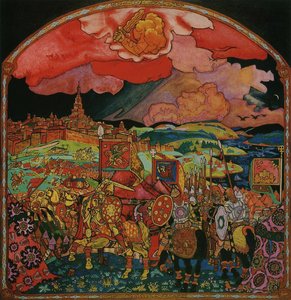
The collection itself is a breathtaking tapestry of human creativity, anchored by the world’s most significant assembly of Armenian art. Visitors are often first captivated by the delicate, luminous beauty of illuminated manuscripts, where every gilded edge and intricate pigment tells a wonderful story of devotion and meticulous craftsmanship. These ancient treasures find their counterparts in the monumental canvases of masters like Ivan Aivazovsky , whose seascapes evoke a powerful sense of movement and light, bridging the Armenian spirit with the vastness of the maritime world. The gallery also preserves the aristocratic elegance of the Hovnatanian Dynasty portraits, which offer a window into the grandeur of eighteenth-century Armenian life.
A Convergence of Global Masterpieces
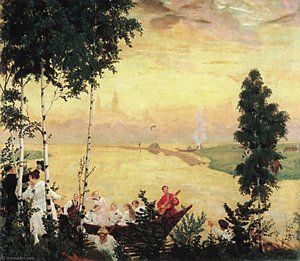
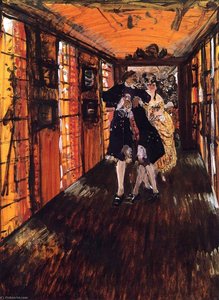
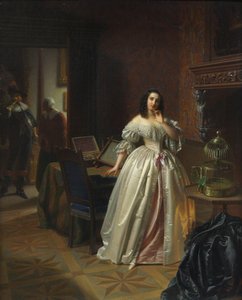
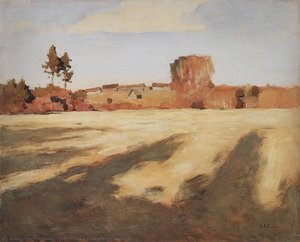
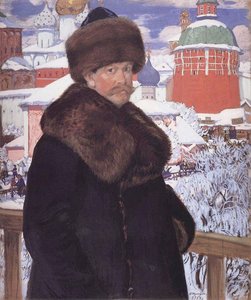
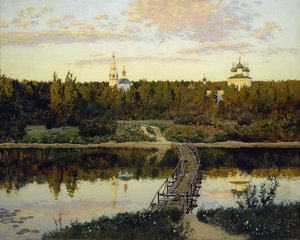
This national pride is beautifully balanced by an expansive collection of Russian realism, featuring the emotive depth of Ilya Repin and Vasily Surikov , alongside Western European works that reflect the sweeping influences of Baroque portraiture and Romantic landscapes. The breadth of the collection is truly distinguished, housing masterpieces by world-renowned artists such as:
- Arshile Gorky , whose abstract forms bridge modernism and heritage;
- Marc Chagall , bringing dreamlike lyricism to the Armenian landscape;
- Wassily Kandinsky , offering a window into the evolution of abstraction;
- Donatello and Tintoretto , representing the profound influence of the Italian Renaissance.
Beyond the canvas, the institution preserves unique fragments of medieval Armenian church frescoes from various regions, including Aruch, Lmbatavank, Tatev, Haghpat, Ani, Talin, Akhtala, Kobayr, and Meghri. This deep connection to the land is further enriched by an exceptional archive containing photographs, notebooks, letters, and personal belongings of prominent international artists.
Architectural Grandeur and Light
Architecturally, the structure is a masterpiece of Soviet Constructivism, designed by the visionary Sergei Alexandrovich Gvishinsky . The building itself commands attention on Republic Square, characterized by its soaring ceilings and expansive windows that invite the Armenian sun to dance across the exhibition spaces. This deliberate use of natural light creates an ethereal atmosphere, turning each gallery into a living, breathing space where art and environment coalesce.
For the discerning collector or interior designer, the National Gallery of Armenia offers more than just visual pleasure; it provides a profound sense of place and a connection to a lineage of beauty that is both ruggedly ancient and elegantly modern. It functions as a cultural crossroads, where the local meets the global through curated exhibitions that juxtapose Armenian traditions with European Impressionism and Cubism, fostering a continuous dialogue between eras.