

A Legacy Etched in Stone and Canvas
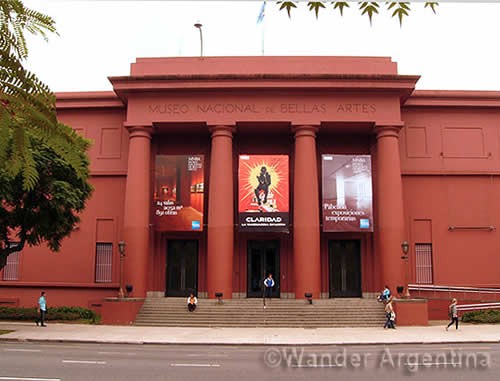
The National Museum of Fine Arts stands as more than just a building housing artworks; it embodies Argentina’s artistic spirit—a testament to centuries of creativity interwoven with global influences. Situated in the affluent Recoleta district, Buenos Aires, this institution began its journey in 1821 as part of the University of Buenos Aires, evolving into an independent champion for preserving and presenting Argentine art history.
Architecturally understated yet harmonious, the museum’s design subtly reflects influences from classical foundations blended with modern sensibilities—a deliberate choice mirroring the museum's mission: to showcase a dialogue between local talent and international masters. While precise details regarding its construction remain discreet, one senses an intentional elegance that complements the treasures housed within.
A Dialogue Across Time and Continents
The museum’s core strength lies in its remarkable ability to illuminate connections between Argentine artistry and European luminaries. Visitors embark on a captivating exploration of Argentina's cultural evolution, tracing the development of national identity through paintings, sculptures, and decorative arts that mirror shifts in societal values. Yet, this dedication to Argentine heritage isn’t pursued in isolation.
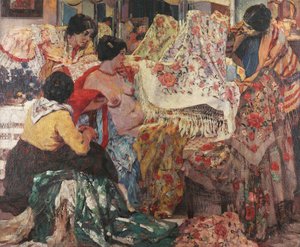
A breathtaking collection of masterpieces—works by Goya, Rembrandt, Monet, Van Gogh, Rodin, Manet and Chagall—provides crucial context for understanding the artistic currents that shaped Argentina while simultaneously revealing shared themes and divergent approaches. This juxtaposition transcends mere display; it’s a deliberate act of intellectual engagement designed to foster appreciation for both traditions.
Sculptural Expressions: Form and Emotion
Beyond its celebrated paintings, the museum's sculpture collection deserves particular admiration. These three-dimensional works represent an ambitious exploration of form, material, and artistic intent across diverse periods and styles—from monumental classical representations to groundbreaking modern abstractions. The sculptures demonstrate the enduring power of art to capture human emotion and experience.
Furthermore, the museum’s expansion into Neuquén underscores its commitment to accessibility and cultural outreach, extending its influence beyond Buenos Aires and ensuring that Argentina's artistic heritage resonates throughout the nation.
A Singular Cultural Destination
What distinguishes the National Museum of Fine Arts is its unparalleled blend of national pride and international perspective. It’s not merely a repository of Argentine art; it’s a space where traditions converge in thoughtful conversation—a place to immerse oneself in beauty, contemplate history, and discover the transformative potential of artistic expression.
Located in Recoleta, a district synonymous with elegance and cultural vibrancy, this museum offers an experience that transcends mere observation. For collectors seeking inspiration, interior designers striving for aesthetic cues, or simply art lovers yearning for enrichment, it presents a journey that lingers long after leaving its doors—a beacon illuminating Argentina’s artistic legacy.