Royal National Theatre

Quick Facts

  • Mediums:
    • acrylic on canvas
    • photography
  • Featured artists:
    • basil jones & adrian kohler
    • gordon fraser clark
    • jocelyn herbert lousada
    • simon annand
    • david allan gee
  • Movements:
    • contemporary realism
    • other
    • romanticism
  • Art types:
    • photo
    • wallart
  • More…
  • Works on APS: 8
  • Location: London, United Kingdom
  • Historical periods: contemporary

A Monument to Storytelling: The Royal National Theatre

The South Bank of London pulses with a creative energy that finds its magnificent focus at the Royal National Theatre. More than simply a building housing performances, it stands as a living testament to British theatrical heritage—a crucible where timeless tales are reimagined and fresh voices discover their resonance. Founded in 1963 through the vision of Laurence Olivier, though rooted in decades of aspiration for a dedicated national playhouse, the theatre swiftly established itself not only as a cornerstone of the performing arts within the United Kingdom but also on a global stage. Its narrative isn’t solely one of productions; it is deeply interwoven with architectural ambition and an unwavering commitment to accessibility, making the power of drama available to all. The very atmosphere surrounding the National Theatre feels charged with anticipation, a palpable echo of countless stories unfolding within its walls—and continuing to do so. The dream of a national theatre in Britain stretches back far beyond its mid-20th century realization. Calls for such an institution began echoing as early as the 19th century, fueled by a desire to elevate dramatic arts and provide a permanent home for Shakespeare’s works. Initial attempts centered on Stratford-upon-Avon with the establishment of the Shakespeare Memorial Theatre in 1879, but the vision of a London-based national theatre persisted. Figures like Herbert Beerbohm Tree, who established an academy of dramatic art, and George Bernard Shaw, a tireless champion for the cause, laid the groundwork for what would eventually become the Royal National Theatre. It was a long and winding path, fraught with fundraising challenges, political obstacles, and evolving artistic philosophies, but the enduring belief in theatre’s transformative power ultimately prevailed. This history is subtly reflected even within the theatre's current programming—a constant dialogue between honoring tradition and embracing innovation.

Brutalism as Dramatic Backdrop

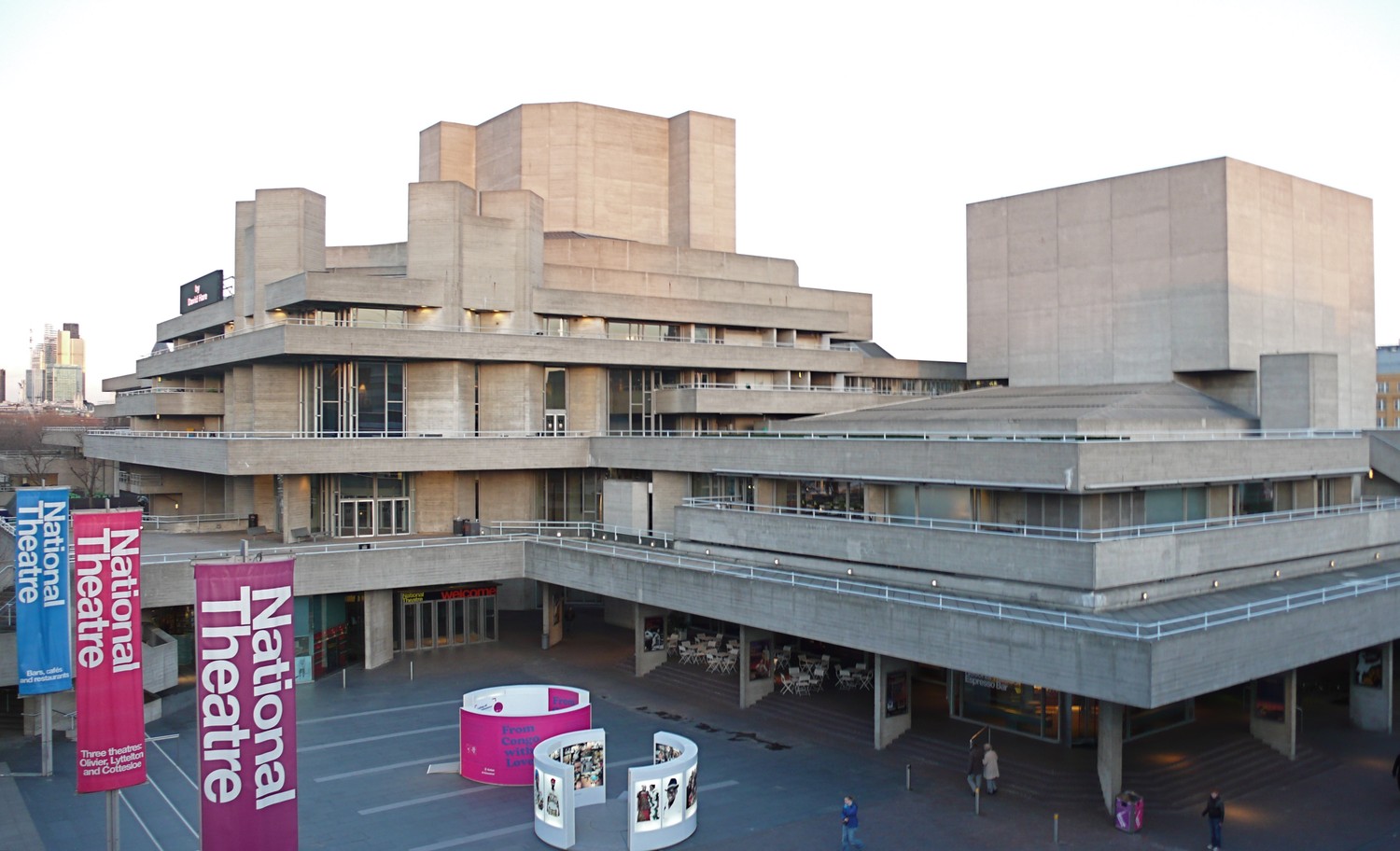
The building itself is an undeniable statement – a bold embrace of Brutalist architecture designed by Sir Denys Lasdun. Completed in 1976, after years at The Old Vic, it’s a complex and often debated structure, its concrete forms rising from the banks of the Thames like a sculpted landscape. Three distinct auditoriums comprise this theatrical city: the expansive Olivier Theatre, offering an intimate experience with its yard-surround seating; the Lyttelton Theatre, known for its proscenium arch and grand scale; and the Dorfman Theatre (formerly Cottesloe), a more flexible space ideal for experimental work. Lasdun’s vision extended beyond merely creating a container for plays; he sought to forge an environment that *felt* theatrical, where the architecture itself contributed to the dramatic experience. The building isn't simply observed—it is felt—its weight and texture grounding the ephemeral nature of performance in something enduring. It remains a landmark sparking conversation, representing a pivotal moment in British architectural history. Lasdun deliberately chose Brutalism, reflecting a post-war desire for honesty and functionality. He aimed to create a monumental yet accessible public space, welcoming all within its concrete embrace.

Expanding the Stage: Innovation & Accessibility

The Royal National Theatre’s programming is as diverse as it is ambitious. While deeply rooted in the canon—Shakespearean productions remain a perennial highlight, drawing celebrated actors and innovative directors alike—the theatre has always been a champion of new writing. It's a space where emerging playwrights are nurtured alongside established masters, fostering a dynamic exchange of ideas and perspectives. This commitment extends beyond purely British works; international classics find a home on its stages, offering audiences a global tapestry of dramatic storytelling. However, the influence of the National Theatre isn’t confined to those who can physically attend performances. Since 2009, through its groundbreaking NT Live program, it has broadcast productions to cinemas worldwide, democratizing access to high-quality theatre and bringing the magic of the stage to millions who might otherwise never experience it. This initiative—along with National Theatre at Home, launched in 2020 offering on-demand streaming—represents a pivotal expansion of its reach. The theatre’s dedication to education is also paramount, evident in its extensive range of programs for schools and young people, nurturing the next generation of theatrical talent.

A Legacy Forged in Performance

What truly distinguishes the Royal National Theatre isn't just its artistic excellence but its unwavering commitment to education and community engagement. A wide array of programs are offered for schools, aspiring artists, and young people, cultivating future generations of theatrical innovators. This dedication extends beyond formal training; workshops, outreach initiatives, and participatory projects ensure that theatre remains a vibrant and inclusive art form accessible to all segments of society. The granting of the royal prefix in 1988 solidified its position as a national treasure, but it’s the theatre's continued relevance—its ability to adapt, innovate, and connect with audiences on a deeply emotional level—that truly defines its legacy. It stands as a beacon not only for British theatre but for the enduring power of storytelling itself, actively shaping the future of this vital art form and ensuring its thriving continuation for generations to come.

Art Quiz

There is only one correct answer for each question.

Question 1:
In what year was the Royal National Theatre founded by Laurence Olivier?
Question 2:
What architectural style is the Royal National Theatre primarily known for?
Question 3:
The Royal National Theatre has three main auditoriums. Which of the following best describes the Olivier Theatre's seating arrangement?
Question 4:
What is 'NT Live'?
Question 5:
Prior to the current building, where was the Royal National Theatre company based?
Question 6:
What was a key motivation behind the initial calls for a national theatre in Britain during the 19th century?
Question 7:
What does the text suggest about the National Theatre’s commitment to new writing?
Question 8:
In what year did the Royal National Theatre receive the royal prefix?
Question 9:
What is 'National Theatre at Home'?
Question 10:
Who designed the current building of the Royal National Theatre?
© 2026 mus3ums.com