

A Bastion of British Art: The Soul of Burlington House
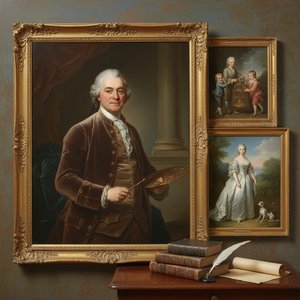
To step through the doors of The Royal Academy of Arts is to enter a sanctuary where the pulse of British creativity has beat uninterrupted for over two and a half centuries. Located in the heart of London, this singular institution transcends the traditional definition of a museum; it is a living, breathing organism of artistic endeavor. Founded in 1768 by a group of visionary artists—most notably the legendary portraitist Joshua Reynolds—the Academy was born from a profound desire for independence, seeking to liberate the artist from the whims of aristocratic patronage and establish a meritocratic standard of excellence. Today, it remains a beacon of prestige, where the weight of history meets the electric energy of contemporary innovation.
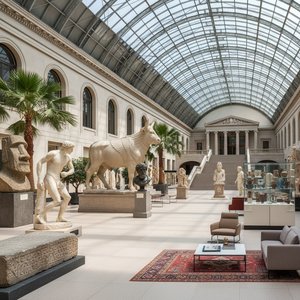
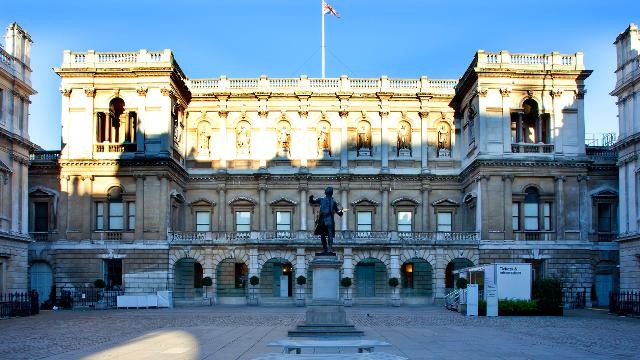
The setting itself, the magnificent Burlington House, serves as an architectural masterpiece that prepares the visitor for the grandeur within. Designed by Colin Campbell in the refined Palladian style, the building is a study in classical symmetry and timeless elegance. Its facade, composed of luminous Portland stone, reflects the Enlightenment ideals of proportion and grace that guided its creation. Following a meticulous £56 million restoration completed in 2018, the Academy has emerged as a revitalized jewel of Piccadilly. As sunlight filters through newly installed roof lights, it illuminates the vast galleries with a soft, ethereal glow, casting a romantic light upon canvases that span from the Romantic era to the avant-garde movements of the modern age.
A Living Legacy: From Masterpieces to Modern Dialogue
What distinguishes The Royal Academy from its global peers is its refusal to remain a static repository of the past. While many institutions are anchored by unchanging collections, the RA thrives on a dynamic program of temporary exhibitions that challenge and provoke. It is a place where one might find themselves lost in the sweeping, atmospheric landscapes of J.M.W. Turner one moment, only to be confronted by the vibrant, subversive pop culture icons like Andy Warhol the next. This seamless dialogue between tradition and transformation ensures that the Academy remains at the very forefront of global artistic discourse, making it a vital destination for collectors seeking depth and interior designers searching for profound inspiration.
The spirit of inclusivity is perhaps most vibrantly expressed through the legendary Summer Exhibition. Running without interruption since 1769, this democratic open call is a cornerstone of the Academy’s identity. It provides an unparalleled stage where established masters hang their works alongside emerging talents, creating a kaleidoscopic tapestry of styles and perspectives. This tradition of nurturing talent—from the foundational classes offered to young students to the prestigious residencies for seasoned professionals—underscores the Academy's enduring mission: to foster a lifelong passion for creative expression and to ensure that the flame of artistic inquiry never flickers out.
For those who seek more than mere observation, The Royal Academy offers an immersive intellectual journey. It is a space where history breathes through every brushstroke and where the architecture itself tells a story of resilience and rebirth. Whether one is drawn by the technical brilliance of Victorian social scenes or the conceptual complexities of contemporary sculpture, the Academy promises an encounter that is both deeply educational and profoundly moving, cementing its status as an eternal guardian of the British artistic spirit.