


A Tapestry of Human Knowledge
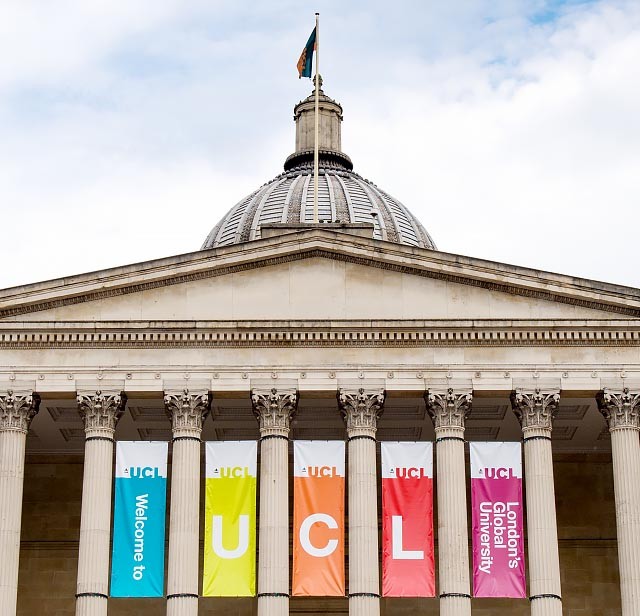
To step into the institutions of the University of London is to embark on a profound journey through the very fabric of human civilization, where the boundaries between scientific inquiry and artistic expression dissolve into a singular, breathtaking narrative. Nestrated within the vibrant, pulsing heart of London, United Kingdom , these collections serve much more than mere repositories for antiquity; they are living, breathing chronicles of our collective intellect. Here, the whispers of ancient scribes meet the silent majesty of prehistoric fossils, creating a dialogue that spans millennia. The university’s ethos, rooted in the visionary ideals of thinkers like Jeremy Bentham , fosters an environment where the rigor of academic research is seamlessly interwoven with the evocative beauty of the objects on display, inviting every visitor to witness the grand evolution of thought and creativity.
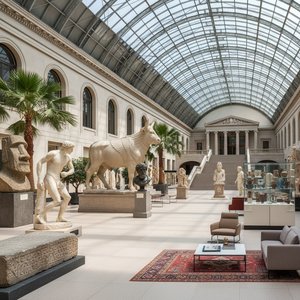
The true magic of these collections lies in their extraordinary interdisciplinary breadth, offering a sensory experience that caters to the curious soul and the discerning eye alike. One might find themselves lost in the hallowed archives of the British Library , tracing the delicate calligraphy of manuscripts that have shaped literary history, only to emerge into the captivating, primal world of the Grant Museum of Zoology , where the skeletal remains of dinosaurs and the intricate forms of invertebrates remind us of our place within the natural order. This duality is perhaps most poignant in the Petrie Museum of Egyptian Archaeology , where the intimate details of everyday life in ancient Egypt—from monumental sculptures to humble household artifacts—are brought to life with startling clarity.
Architectural Grandeur and Scholarly Legacy
The architecture that houses these treasures is itself a masterpiece of historical resonance, anchoring the collections within London’s storied urban landscape. Many of the buildings are magnificent relics of the Victorian era , their stately facades and soaring, light-filled ceilings reflecting an age of imperial grandeur and relentless scientific innovation. Walking through these halls, one feels the weight of history in every carved stone and ironwork detail, a physical manifestation of the university’s enduring legacy. These spaces do not merely contain art; they elevate it, providing a dramatic stage where the shadows of the past interact with the light of modern discovery.
What truly distinguishes the University of London is its unwavering commitment to accessibility and the democratization of culture. By offering free admission, these institutions invite collectors, scholars, and casual wanderers to engage with history on equal footing. This spirit of openness is matched by a dedication to ongoing scholarship, as researchers utilize advanced imaging and collaborative global projects to unlock new secrets from the collections. Whether through temporary exhibitions that explore the symbiotic relationship between art and science or educational programs designed to ignite lifelong curiosity, these institutions remain vibrant centers of cultural life, standing as beacons of intellectual light for all who seek the eternal pursuit of beauty.